Your water softener works hard every day to provide your home with soft, clean water, protecting your pipes, appliances, and family from the effects of hard water. But like any hardworking system, it needs a little care to keep running smoothly. Learning how to maintenance water softener systems is key to ensuring they perform at their best and last for years to come.
With a few simple steps and regular attention, you can prevent costly repairs and make sure your household continues to enjoy the benefits of soft, pure water. Let’s explore everything you need to know to keep your water softener in top condition.
What Kind of Maintenance Does a Water Softener Need?
To keep your water softener working efficiently, it requires a few key maintenance tasks to address both routine and long-term care. These tasks ensure the system continues to produce soft water, protect your appliances, and prevent buildup in your plumbing.
Some of the most common maintenance needs include monitoring salt levels, cleaning the brine tank, keeping the resin beads functional, and inspecting the overall system for wear or potential repairs. Each of these areas plays a vital role in keeping your water softener running smoothly and preventing issues before they arise.
Understanding these needs lays the foundation for knowing how to maintenance water softener systems step by step. In the next section, we’ll guide you through exactly how to perform these essential tasks.
How to Maintenance Water Softener
Knowing how to maintenance water softener systems properly ensures they function efficiently and last for years. While it may seem intimidating at first, maintaining your water softener is simple when broken down into clear steps. Here’s how to perform water softener maintenance:
1. Check and Refill the Salt Level
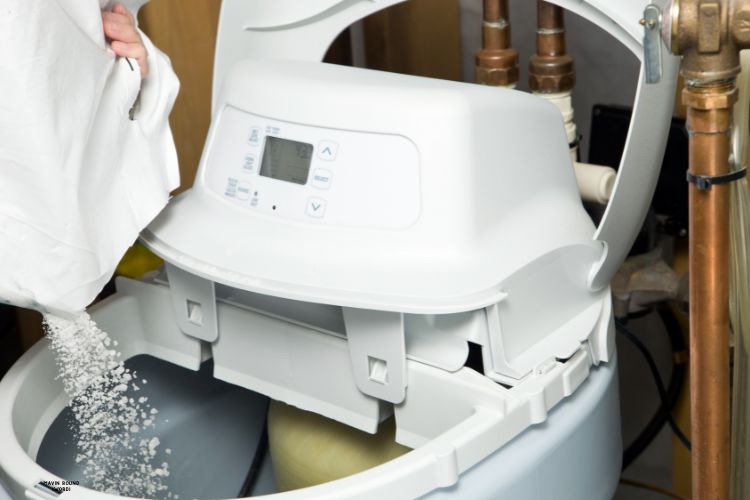
The salt in your brine tank is the backbone of the softening process. Without enough salt, your system can’t regenerate properly, which may leave hard water running through your pipes.
How: Open the brine tank and check the salt level regularly, about once a month. Refill it when it’s below the halfway mark. Use high-quality salt specifically designed for water softeners, such as evaporated or solar salt pellets. Avoid rock salt, as it can leave residue and clog the tank.
2. Break Up Salt Bridges
Salt bridges form when salt hardens and creates a solid crust in the brine tank. This prevents proper salt usage and disrupts the regeneration cycle.
How: If you notice a hard layer of salt, carefully break it up with a broomstick or similar tool. Be gentle to avoid damaging the tank. Once broken, scoop out any compacted salt and refill with fresh salt.
3. Clean the Brine Tank
Over time, sludge, debris, and impurities can build up in the brine tank, reducing the efficiency of your system.
How: Empty the tank completely and rinse it with warm water and a mild dish detergent. Scrub away any residue, then rinse thoroughly before refilling with salt and water. Aim to clean the tank once a year or whenever you notice a decrease in performance.
4. Use a Resin Cleaner
The resin beads in your water softener are responsible for trapping hard minerals, but they can become fouled with iron or other contaminants over time.
How: Add a resin cleaning solution directly to the brine tank or follow the instructions for your specific system. Resin cleaners help rejuvenate the beads and maintain their effectiveness.
5. Inspect for Leaks or Damage
Hoses, valves, and seals can wear out over time, leading to leaks or reduced performance.
How: Regularly inspect all visible components of the system. Look for cracks, loose connections, or worn parts. Address any issues immediately to prevent further damage.
6. Replace Filters (If Applicable)
If your water softener has a pre-filter, it traps sediment and debris before the water reaches the resin tank. A clogged filter can reduce water flow and strain the system.
How: Check the filter every few months and replace it according to the manufacturer’s recommendations. Always use compatible filters for your system.
By following these steps, you’ll ensure your water softener remains efficient, reliable, and capable of providing soft water for your home. Regular attention to these tasks will also help you avoid costly water softener repair down the line.
How Often Do You Do Maintenance on a Water Softener?
The frequency of water softener maintenance depends on the specific tasks and your system’s usage. Regular upkeep ensures that your system performs optimally and continues to deliver soft, clean water without interruptions. Here’s a breakdown of how often you should address various maintenance tasks:
1. Check Salt Levels – Monthly
Monitoring the salt level in your brine tank is a critical part of maintaining your water softener. Check it at least once a month and refill when the level drops below the halfway point. High water usage households may need to check more frequently.
2. Clean the Brine Tank – Annually
The brine tank should be cleaned once a year to remove any sludge, salt buildup, or impurities. If you notice issues such as salt bridges or reduced performance, clean it sooner.
3. Inspect the System – Quarterly
Every three months, inspect the entire system, including hoses, valves, and seals. Look for leaks, cracks, or signs of wear and tear. Catching minor issues early prevents more significant problems.
4. Use Resin Cleaner – Biannually
To keep the resin beads in top condition, use a resin cleaner at least twice a year. This is especially important if your water contains high levels of iron or other contaminants that can foul the resin.
5. Replace Filters (If Applicable) – Every 3 to 6 Months
If your system includes a pre-filter, replace it every 3 to 6 months or as recommended by the manufacturer. Clogged filters can strain the system and reduce its efficiency.
6. Professional Servicing – Annually
Consider scheduling an annual inspection and maintenance service with a professional. They can perform a thorough check, clean the system, and address any issues you might have missed.
By following this schedule, you’ll ensure your water softener operates efficiently year-round, providing your household with consistent, high-quality water. Regular maintenance not only prolongs the life of your system but also prevents unexpected repairs and costly replacements.
What Happens If You Don’t Clean Your Water Softener?
Neglecting water softener maintenance can lead to several issues that affect both the system’s performance and the quality of your household water. If you’re unsure how to maintenance water softener systems or skip regular upkeep, you could face the following problems:
1. Decreased Efficiency
Without regular maintenance, your water softener can lose its ability to effectively remove hard minerals. For example, if salt levels are too low or a salt bridge forms, the system won’t regenerate properly. This means hard water could flow back into your home, leading to limescale buildup in pipes, appliances, and fixtures.
2. Contamination Build-Up
Failing to clean the brine tank allows impurities like sludge, bacteria, and sediment to accumulate. Over time, these contaminants can interfere with the ion exchange process and compromise the quality of your water.
3. Fouled Resin Beads
Resin beads that aren’t cleaned periodically can become fouled with iron, manganese, or other contaminants. This reduces their ability to trap hard minerals, forcing your water softener to work harder and decreasing its lifespan.
4. Increased Repair Costs
Neglecting regular water softener repair and maintenance can lead to more significant system failures. Leaks, damaged hoses, and clogged components often go unnoticed until they cause major issues, resulting in costly repairs or even replacement.
5. Shortened Lifespan
A well-maintained water softener can last 10-15 years, but without proper care, its lifespan may be significantly reduced. Components like the resin tank, brine tank, and valves are more likely to wear out prematurely if not properly maintained.
6. Hard Water Damage
If your water softener isn’t functioning, the hard water it’s designed to treat will begin to wreak havoc on your home. You may notice soap scum, stiff laundry, and damaged plumbing—all of which can lead to expensive repairs and replacements.
Understanding how to maintenance water softener systems and performing regular cleaning ensures your system remains efficient, providing you with soft, high-quality water while avoiding these costly and inconvenient issues.
Water Softener Maintenance in Bucks County
If you’re a homeowner in Bucks County, ensuring your water softener is properly maintained is essential for preserving your water quality and protecting your plumbing system. At Water Logix, we specialize in helping households like yours maintain their water softeners with expert care and personalized service. Whether you need routine maintenance, troubleshooting, or water softener repair, we’re here to help.
Why Choose Water Logix?
- Expertise You Can Trust: With years of experience serving Bucks County residents, our team understands the unique water challenges in the area, including hard water and mineral content.
- Comprehensive Services: From teaching you how to maintenance water softener systems to offering professional cleanings and repairs, we provide a full range of services tailored to your needs.
- Local Support: As a locally owned business, we’re committed to ensuring every family in Bucks County has access to pure, high-quality water.
What’s Included in Our 10-Point Inspection?
- Inspection of valve components for proper function and longevity.
- Verification and adjustment of programming settings for optimal performance.
- Pre- and post-testing to evaluate system effectiveness and water quality.
- Detailed check of brine tank, resin beads, and filtration components.
- Identification of potential leaks, wear, or system inefficiencies.
Whether you need a routine checkup or assistance with a specific issue, Water Logix is ready to help. Our team makes water softener maintenance simple and stress-free, so you can focus on enjoying the benefits of soft, pure water. Serving all of Bucks County, we take pride in helping local families keep their water systems in top condition.
Contact us today to schedule your water softener service or to learn more about maintaining your system. Together, we’ll ensure your home enjoys clean, soft water for years to come.