

Chlorinators are relatively simple devices that are designed to introduce small, controlled amounts of chlorine to a gravity fed water system in order to disinfect water for use in the home. The most common chlorinators use a process called “shock” chlorination. When you turn on your water in the home the pump will dose chlorine into the main water line which will then run into a contact tank. A contact tank allows the chlorine to settle allow ( contact tank to properly kill any bacteria, iron, or odor. Chlorine is the most effective way to kill bacteria.
Why is a contact tank needed?
Contact tanks are used for chlorination because they provide a designated space with sufficient contact time for the chlorine to thoroughly mix with the water and effectively kill harmful microorganisms, ensuring proper disinfection before the water is distributed for consumption; essentially, it allows the chlorine to fully react with the water to achieve the desired level of sanitation.
What are the benefits of chlorinated water?
Chlorine effectively kills harmful bacteria, viruses, and other microorganisms in well water, providing a safe drinking supply by disinfecting the water and preventing waterborne illnesses; additionally, chlorine can also help reduce unpleasant tastes and odors, and in some cases, oxidize minerals like iron and manganese, making them easier to filter out. Chlorine is also the strongest agent to remove iron, manganese, odor, and bacteria.
Will chlorine kill iron bacteria?
YES! Chlorine is the most effective way to properly kill iron bacteria.
Iron bacteria are tiny living organisms that occur naturally in the soil and groundwater. They were given the name because they feed on iron. When in nature, you may spot the bacteria as red-brown masses on the bottoms of streams and lakes. They create rust bacterial cell deposits by mixing iron and oxygen. As they feed, they secrete a slimy, sticky substance that can interfere with pumps, plumbing fixtures and pipes.
There are iron bacteria test kits available. You can also look in your toilet flush tank and see if there are bubbles in the water, and slimy-looking or hairy-like structures growing out from the walls of the flush tank.
What is the carbon filter used for?
What is the carbon filter used for?
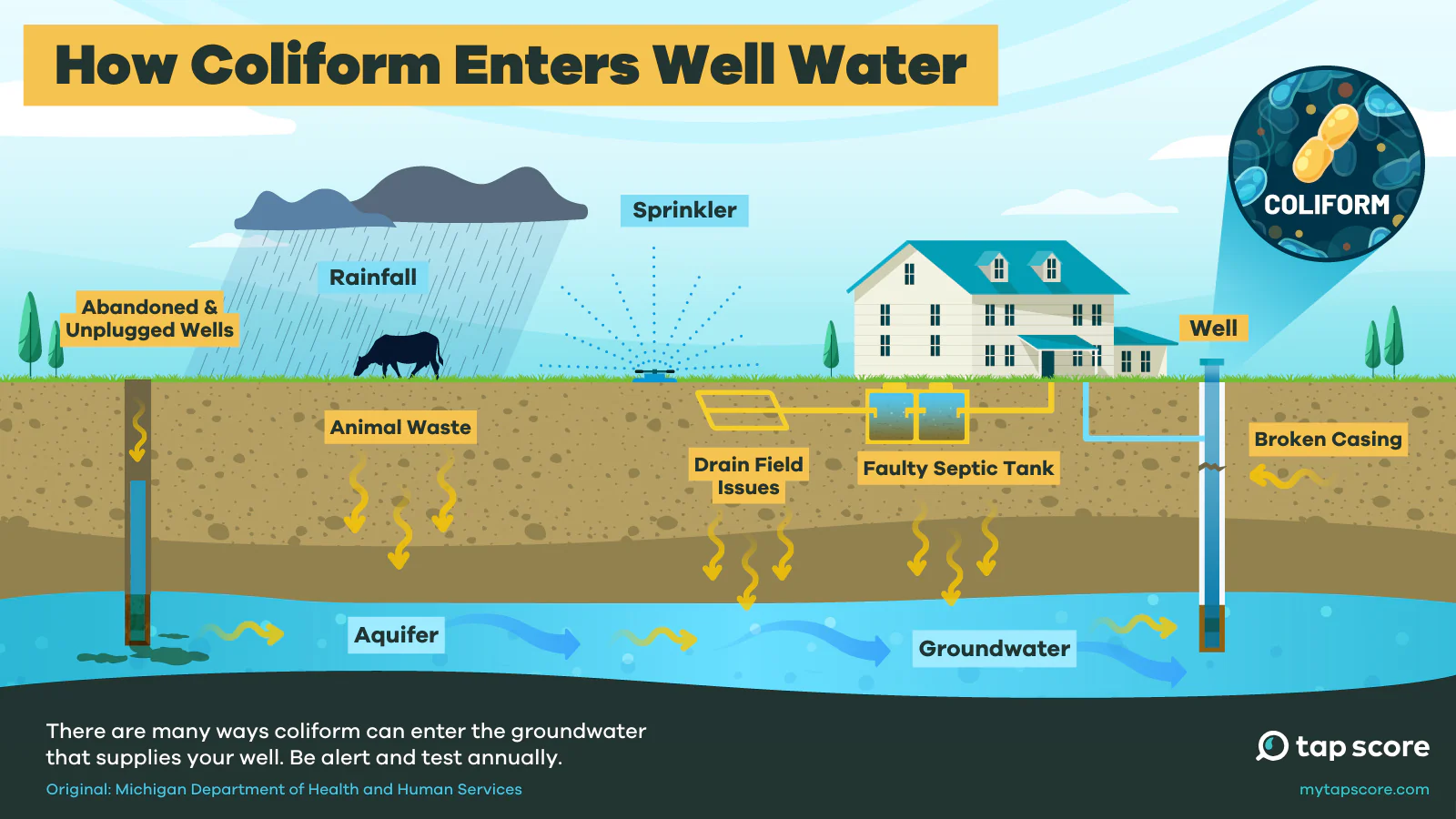
How Bacteria Enters Well Water
The United States Environmental Protection Agency (EPA), which protects and regulates public drinking water systems, does not monitor private wells. It is the well owner’s responsibility to reach us so we can ensure you are getting the quality water you deserve. Just because your water may look clear, does not always mean it’s clean
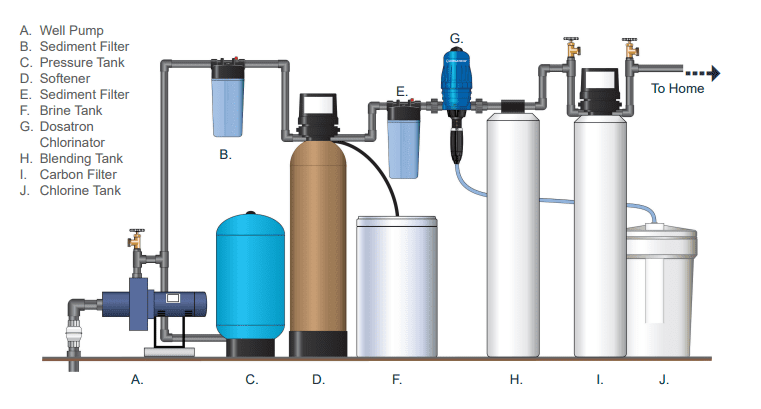
How it Works?
We offer free on-site water testing for water hardness, pH, chlorine, nitrates, TDS, iron, and coliform bacteria. If bacteria or hydrogen sulfide are detected in your well water, it could mean your system isn’t fully sanitized. A well chlorination system will disinfect your water and remove odors, keeping it safe for your family.
Book a Water Test
Book at home water test. We’ll test for bacteria, iron, manganese, and hydrogen sulfide in your well water.
Home Evaluation
We’ll review your system and recommend the right chlorination solution for effective disinfection.
Installation
Our team will install a chlorination system designed to keep your well water clean and odor-free.
Follow Up
We’ll re-test your water to confirm its safety and provide maintenance services to keep your system effective.
Why Choose Water-Logix? for Well Chlorination Systems?
When You Choose Us, You're Choosing:
Expert Solutions
Skilled Technicians
Reliable Service
Local Small Business
Complete Water Treatment Solutions
Pure Water , Better Living
