
Pressure Tank Installation & Service
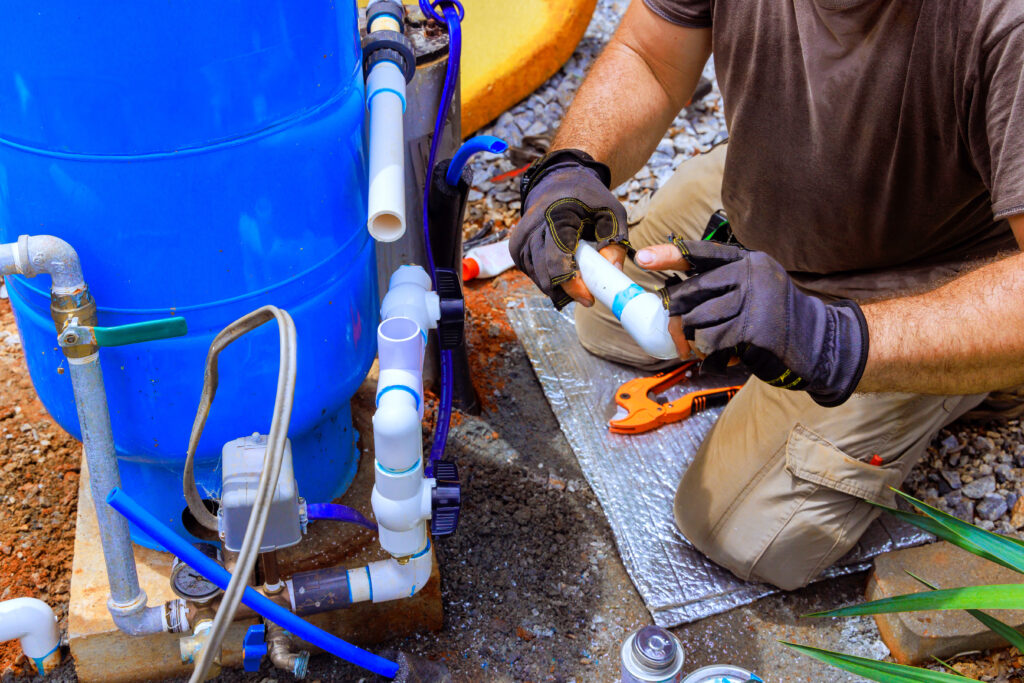
A pressure tank is the backbone of a reliable well system. Without a properly working pressure tank, you’ll notice constant pump cycling, fluctuating water flow, or even total pump failure. Our pressure tank installation services ensure your water pressure stays steady, your pump runs efficiently, and your household never has to worry about sudden pressure drops or pump burnout.
How Pressure Tank Installation Improves Water Pressure
A new pressure tank installation offers more than just convenience—it transforms the performance of your well system. Here’s what you gain:
- Steady water flow: The tank releases water under pressure, so multiple faucets or appliances can run at once without sudden drops.
- Reduced pump cycling: Pumps aren’t designed to stop and start every few seconds. The tank absorbs that workload by storing water between cycles.
- Longer equipment life: By reducing short cycles, the tank protects your pump motor, saving you from costly replacements.
- Energy efficiency: Fewer pump starts mean lower electricity usage, which adds up over the years.
Think of pressure tank installation as a long-term investment in your home’s comfort and efficiency
When Pressure Tank Installation Becomes Necessary
Pressure tanks, like any part of a plumbing system, don’t last forever. Most need replacement every 10–15 years, but water quality, usage, and installation conditions all play a role. Watch for these warning signs that you need a new pressure tank installation:
- The pump cycles on and off rapidly (known as “short cycling”).
- Faucets sputter with air before releasing water.
- Household water pressure fluctuates or feels weak.
- The pump runs constantly, even with no water being used.
- Rust, corrosion, or dampness appear around the tank
- Water quality issues worsen due to a failing internal bladder.
Addressing these signs early prevents costly pump damage and ensures uninterrupted water supply
We take pride in delivering a seamless pressure tank installation process designed for reliability and safety:
1
System Evaluation
We examine your existing pump,
pressure switch, and plumbing to recommend the right tank size and style
2
Old Tank Removal
We carefully disconnect and remove your failing unit, handling disposal responsibly
3
New Tank Installation
We set up the new pressure tank, connect fittings, and adjust plumbing for a perfect fit.
4
Pressure Calibration
The pre-charge pressure is set precisely to match yourpump’s cut-in setting, ensuring smooth operation.
5
System Testing
We run the system under normal demand to confirm consistent pressure and correct cycling.
6
Customer Walkthrough
Before we leave, we show you how the system works, what maintenance steps you can take, and answer any questions
This structured approach ensures that every pressure tank installation we perform meets code, protects your well pump, and delivers the reliable pressure you expect
Different Pressure Tank Options for Installation
Not all tanks are created equal, and part of a quality pressure tank installation is choosing the right type:
- Bladder or diaphragm tanks: These modern designs separate air from water, reducing maintenance and extending lifespan.
- Traditional air-over-water tanks: Older style tanks that allow air and water to mix. They require regular recharging of the air supply and are less common today.
We help homeowners weigh the pros and cons of each style, always with the goal ofreliability, performance, and low maintenance.
Maintaining Your Pressure Tank After Installation
In Bucks, Montgomery, and Lehigh counties, groundwater often contains minerals that canaffect plumbing systems. Hardness, iron, and varying water chemistry place added stresson well pumps and tanks. That’s why a qualitypressure tank installationmatters in ourregion—it’s not just about pressure, it’s about buildingdurability into your water system soit can handle local conditions for years to come
Pressure Tank Installation and Local Water Conditions
A successful pressure tank installation is only the beginning. With simple maintenance, you can extend its lifespan and keep your well system working at peak efficiency:
- Check air charge yearly: For bladder tanks, ensure the pressure is 2 PSI below the pump’s cut-in setting.
- Inspect for leaks or rust: Catching corrosion early can prevent sudden failures.
- Listen for changes: If your pump starts cycling more often, call for service before the motor burns out.
- Seasonal checks: Cold weather can stress plumbing systems —inspect tanks and fittings at least once a year.
We also recommend periodic professional inspections to catch small issues before they become major repairs
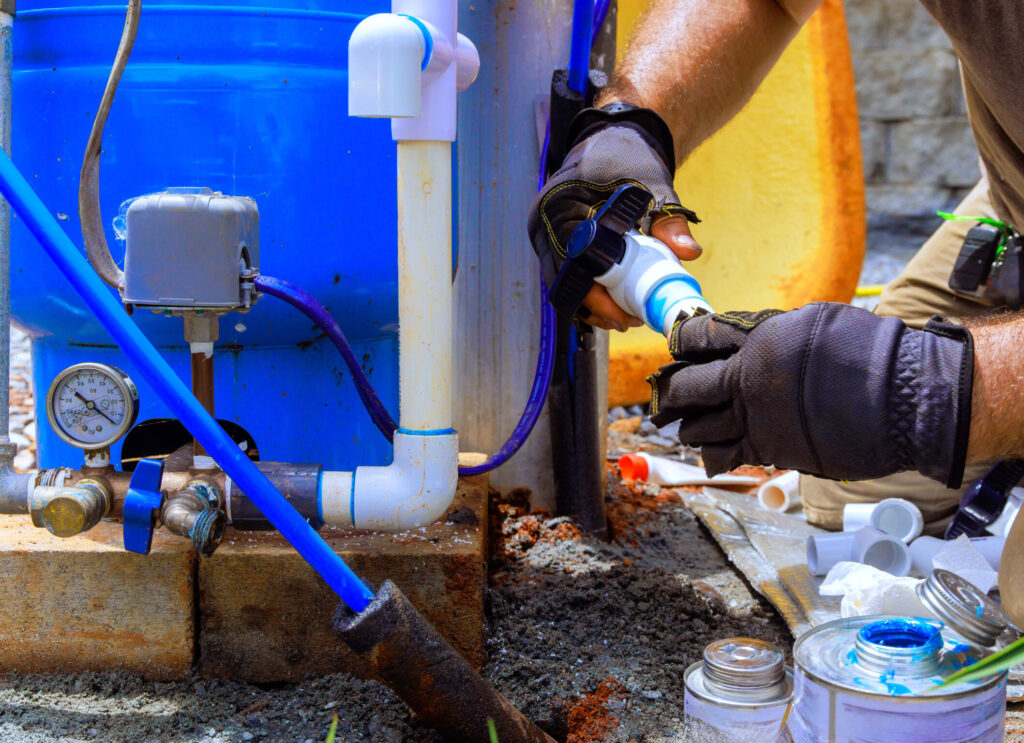
How long does a new pressure tank last?
Most tanks last 10–15 years, but water quality and maintenance play a big role in lifespan
Can I install a pressure tank myself?
DIY installation often leads to improper sizing, poor calibration, or leaks. Professional pressure tank installation ensures long-term reliability
Do you replace old tanks?
Yes, removal and disposal of your old unit is part of every installation job.
How do I know what size tank I need?
Sizing depends on pump capacity, household demand, and available space. We’ll calculate the right fit during your system evaluation
What happens if I wait too long to replace a failing tank?
A bad tank forces your pump to cycle constantly, which can burn out the motor, increase energy bills, and leave you without water unexpectedly.
Schedule Your Pressure Tank Installation Today
If you’ve been struggling with uneven water pressure, short pump cycles, or an aging tank, don’t wait for a complete breakdown. Schedule your professional pressure tank installation with us today. You’ll get steady water pressure, a longer-lasting pump, and the confidence that your well system is in expert hands.
