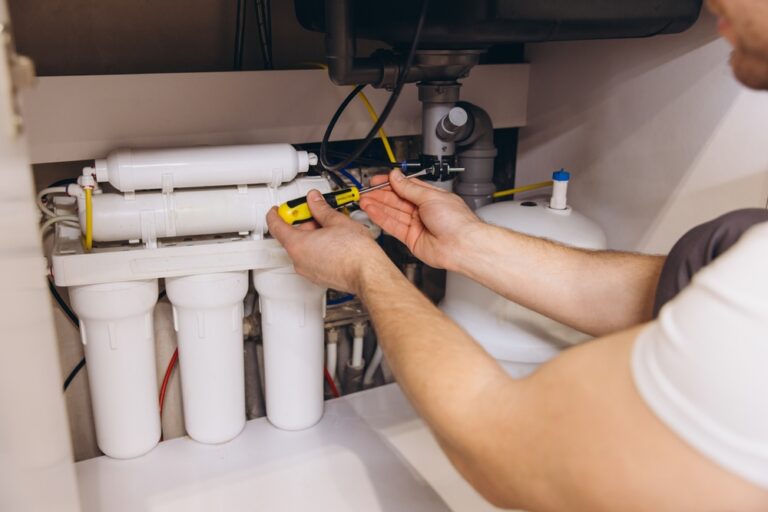
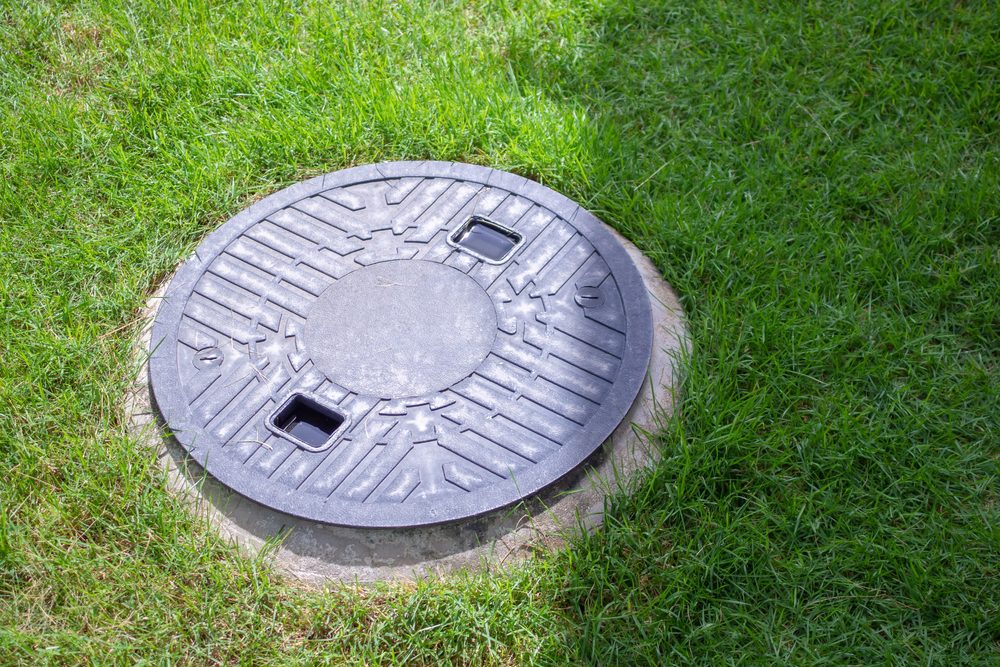
Are water softeners bad for septic tanks, or is this just another persistent myth in home maintenance? If you manage a property with a septic system and deal with hard water, you likely feel stuck between two difficult choices.
You want the benefits of softer water, but you also need to protect your expensive underground infrastructure. Many homeowners turn to trusted companies like Water Logix for guidance because the rules often feel unclear.
The answer is complex and depends on multiple factors. Are water softeners bad for septic tanks if the equipment is outdated, inefficient, or incorrectly installed? Yes, they can be. However, modern high-efficiency systems can often support a healthy septic tank, as demonstrated by several long-running studies. Homeowners rely on accurate information from Water Logix for water filtration services in Bucks County.
How A Standard Water Softener Interacts With A Septic System
To understand the risk, we must look at how water softeners work. A basic ion-exchange softener pulls hardness minerals out of your water supply, exchanging calcium and magnesium for sodium ions. When the resin beads require regeneration, the system flushes salty water through the tank.
In many homes, this discharge flows directly into the septic tank. This leads to debates about softener brine and whether it poses a threat to your leach field. The EPA estimates that older softeners may add significant wastewater volume, and this is one reason why Water Logix focuses heavily on modern, efficient equipment with reduced discharge volumes. Managing this load is essential if your septic system is going to function properly.
The Science So Far: What Long-Term Studies Found
This topic has been studied for decades, with large organizations like the National Sanitation Foundation and Water Quality Association evaluating how softener discharge interacts with septic systems.
Later studies, many referenced by water treatment companies such as Water Logix, shifted toward anaerobic bacteria, the type that actually live in septic tanks. A combined study from the late 1970s found no system failure caused by a properly sized softener. This early research helps debunk several widespread myths.
Modern Findings: Do Efficient Softeners Hurt or Help?
More current research paints an even clearer picture. A 2012 Water Quality Research Foundation project studied brine discharge from well-tuned softeners—very similar to the efficient, demand-based systems promoted by Water Logix.
According to the study, septic tanks did not show overflow or functional loss when using modern units with controlled regeneration cycles. Additional reports suggested that sodium ions at typical softener levels may even increase bacterial activity, improving waste breakdown. Efficiency is the defining factor.
How Softener Discharge Can Actually Support the Drain Field
Some homeowners are surprised to learn that softened water can support soil function in the drain field. The minerals removed during softening can help keep the soil’s pore spaces open, improving percolation. These findings align with what seasoned water treatment professionals at Water Logix often see in the field: a good softener rarely harms a septic system when everything else is working properly.
Where the Real Risk Comes In: Inefficient Softeners
So, are water softeners bad for septic tanks? They can be specifically older units that regenerate too often or too aggressively.
Local health departments warn about inefficient equipment because:
- Excess sodium can stress bacteria
- Large bursts of discharge can stir up solids
- High sodium levels can cause clay soils to swell
These issues show up most commonly in homes using outdated systems that companies like Water Logix regularly replace with more efficient models.
Key Differences Between Safe and Problem Setups
Safe scenarios include:
- A high-efficiency, demand-based water softener
- Low salt usage
- Low wastewater discharge
- A septic system that’s already in good working condition
Risky scenarios include:
- Older or outdated softening equipment
- Heavy brine discharge
- Septic tanks that haven’t been pumped or maintained
- Clay-heavy soils or properties with existing drainage issues
Bottom line: Softener discharge typically becomes a problem only when the septic system is already stressed.
How To Pick Septic-Friendly Water Softeners
When looking for a new filtration and water testing in Lansdale, focus on how the equipment manages water and salt usage. Water Logix often installs demand-based systems because they regenerate only when necessary, not on a fixed schedule.
These features dramatically reduce hydraulic load on the septic system. Ask about:
- Regeneration frequency
- Water volume per cycle
- Salt usage
- Whether the system is optimized for septic compatibility
Settings That Keep Your Septic System Happy
Even the best softener can be misconfigured. Professionals such as those at Water Logix can help you fine-tune:
- Switching to demand-based mode
- Reducing salt settings
- Distributing large water uses to avoid overload
How Your Daily Habits Factor In
Your softener is just one part of your water usage pattern. Reducing overall water use helps reduce the total load on the tank. Some septic companies even encourage routing softener waste to a dry well when local regulations allow it. A Water Logix specialist can help determine whether this setup is appropriate for your property.
How To Tell If Your Septic System Is Struggling
Watch for early warning signs:
- Slow drains in multiple rooms
- Wet spots near the drain field
- Gurgling after large water uses
If these overlap with frequent regenerations, call a septic professional and a water treatment technician; Water Logix often helps homeowners diagnose whether the softener is part of the problem.
Putting It All Together: Are Water Softeners Bad for Septic Tanks or Not?
“Are water softeners bad for septic tanks?” is the wrong question. The better question is: Is your softener efficient, and is your septic system healthy?
Decades of studies, along with field experience from companies like Water Logix, show that modern systems do not harm septic function. Problems come from old, inefficient, oversalted units paired with septic systems that are already struggling. Upgrading equipment, adjusting settings, and maintaining your septic system all work together to protect your home.
Conclusion
So, are water softeners bad for septic tanks across the board? No. Using a performance softener significantly reduces these risks, and many homeowners rely on Water Logix to install the right system for their plumbing and septic needs.
With tuned equipment, proper settings, and regular maintenance, you can enjoy a new soft water system in Quakertown while keeping your septic system healthy. The right setup removes one more household worry and gives you long-term peace of mind.