You want clean water, less indoor clutter, and no surprise repair bills. At the same time, you don’t want to ruin a new system by placing it somewhere it wasn’t designed to be. Companies like Water Logix hear this question all the time, so you’re not alone.
Many homeowners and renters ask can I put my water filtration system outside after seeing space-saving installations online or noticing exterior units in new builds. The truth is that yes, you can often place parts of a water filtration system outdoors but only if you do it in a smart, protected way.
That simple question usually hides deeper worries: freezing pipes, theft, leaks, HOA rules, or losing storage space to a bulky system. Most people are wondering whether an exterior installation will function correctly, and whether companies like Water Logix would still consider the setup valid under normal use.
You may be quietly asking:
- Will an outdoor filter work well all year?
- Will the housing crack in winter or warp in the hot sun?
- Will the warranty still count?
- Is it safe to run water lines along a wall or across a yard?
You’re asking a practical question about your life, not just a technical one. This guide stays realistic so you can make clear decisions without guesswork.
Indoor vs. Outdoor Filtration: What Actually Changes
Most whole-house water filters are designed for indoor installation. Manufacturers assume your equipment sits in a climate-controlled basement, utility room, or protected garage. Outdoor setups face a different world — sun, rain, pests, dirt, and extreme temperatures slowly attack plastics, seals, and metal parts.
That doesn’t mean outdoor placement is impossible. It just means you need protection, planning, and sometimes extra equipment. Professionals who work with systems like Water Logix often build custom weather-protected enclosures for homeowners who want the system outside. Call our team for more assistance with water filtration systems in Sellersville.
Types of Water Filtration Systems and How They Handle Outdoors
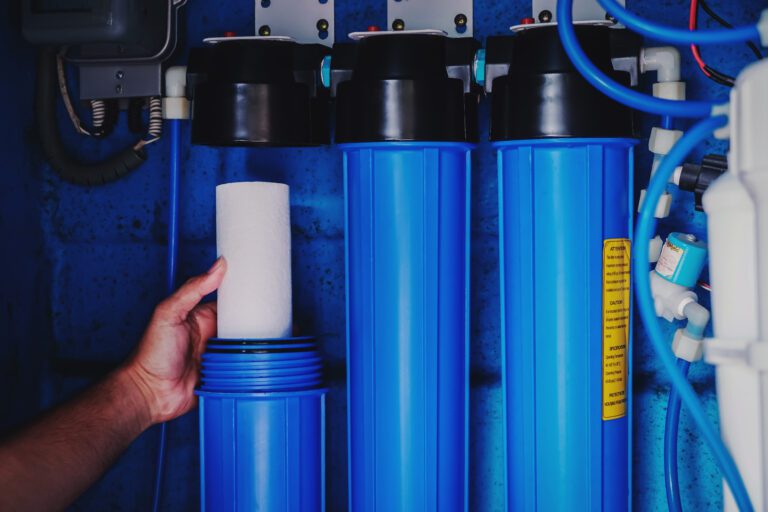
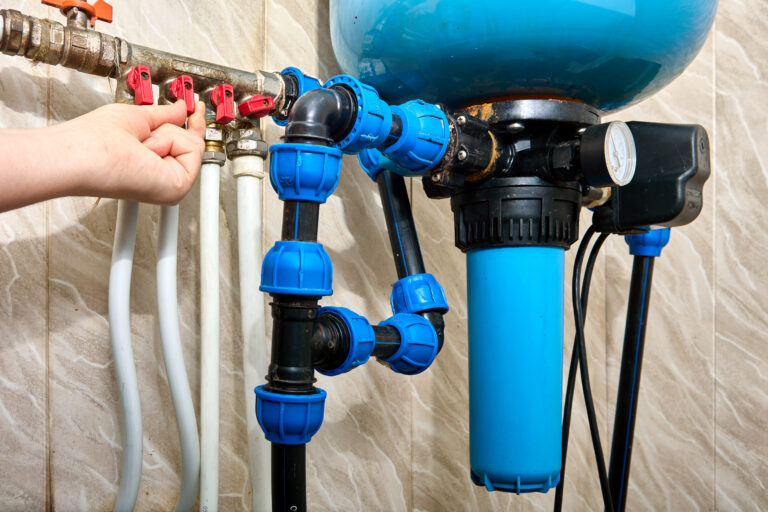
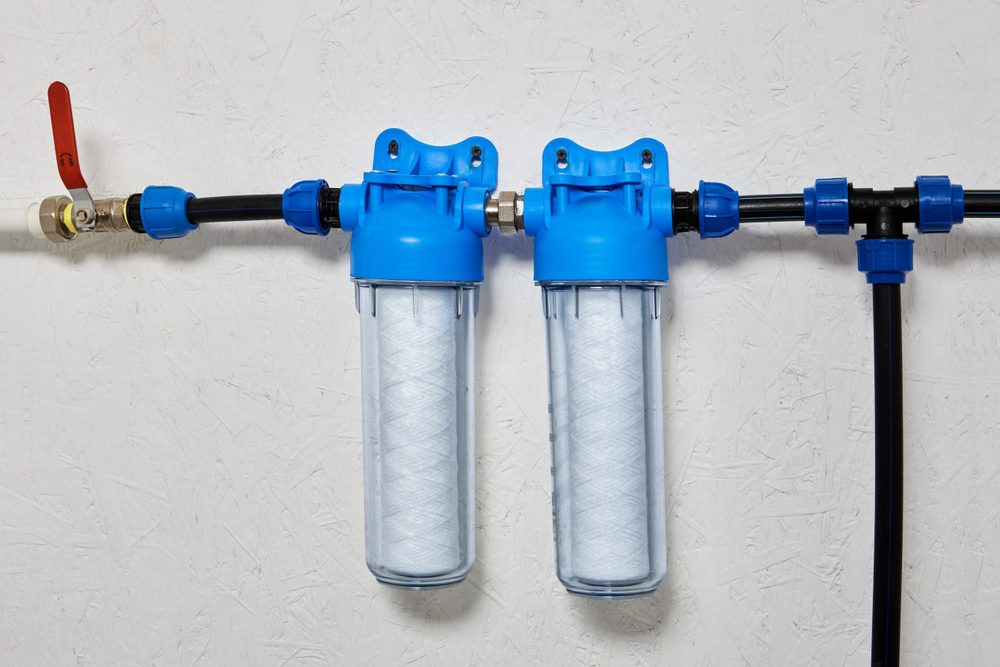
- Basic Sediment or Carbon Whole-House Filters: These “big blue” cartridge housings are fairly tough. Their weak spots are plastic housings, O-rings, and fittings. Sun makes plastic brittle; cold can crack housings if water freezes inside. With shelter, they can work outdoors.
- Water Softeners and Backwashing Filters: These can sometimes live outside in mild climates. The tank itself is usually durable, but the electronic control head absolutely needs protection from sun and rain.
- Reverse Osmosis Systems: Residential RO units do not belong outside. Their membranes and small lines are far too sensitive to temperature swings and dirt. Whole-house RO also requires highly stable conditions. Unless you build a climate-controlled enclosure, keep RO indoors.
- Point-of-Use Outdoor Filters: Garden filters, irrigation filters, and hose-end filters are designed for exterior use but these treat only one faucet, not your whole home. They don’t replace a whole-house installation.
Key Factors Before You Say “Yes, I Can Put My Water Filtration System Outside”
1. Your Climate
Think about your worst weather day of the year, not an average day. Do you get hard freezes? Does the summer heat melt plastic tools left in the yard? Most residential systems aren’t designed for freeze-thaw cycles without added protection.
2. Exposure to Sun, Rain, and Dirt
UV destroys plastic over time. Constant moisture encourages rust and mold. A weather-rated cabinet becomes essential. Many installation companies, including Water Logix, strongly recommend enclosed setups for any outdoor filtration system.
3. Local Rules and Landlord Limits
Renters often need written approval to modify plumbing outside. Local codes may also dictate where water systems can be placed.
4. Warranty and Service
If your system fails after being left exposed to extreme weather, the manufacturer may deny coverage. Always ask whether outdoor installation is allowed if the unit is protected inside a cabinet. Water Logix and other reputable brands can advise on safe placement and warranty boundaries.
Pros and Cons of Putting a Water Filtration System Outside
Pros
- Frees up indoor space
- Easier access for plumbers
- Less noise inside your home
- Convenient placement near outdoor utilities
Cons
- Higher risk of freeze or heat damage
- Exposure to sun, rain, and insects
- Warranty may be limited or voided
- Leaks may go unnoticed outdoors
How to Plan an Outdoor Water Filtration Setup
1. Confirm Your System Is Suitable
Check your manual for temperature limits and placement notes. If you’re unsure, contact your manufacturer or a trusted provider like Water Logix and ask:
- Can this filter be outside in a cabinet?
- Do I need heat tape?
- Will this affect maintenance or warranty?
2. Choose a Smart Location
Pick a spot near the main line or meter, avoiding low areas that flood. Choose a place with good drainage and easy access for filter changes.
3. Install Weather Protection
This is essential. Use a shed, cabinet, or watertight enclosure. A simple tool cabinet can protect your system from UV, wind, and rain.
4. Talk to a Plumber First
Outdoor installations involve code requirements, pressure changes, and backflow prevention. A professional familiar with systems like Water Logix can ensure proper setup.
5. Consider Power, Drain, and Access
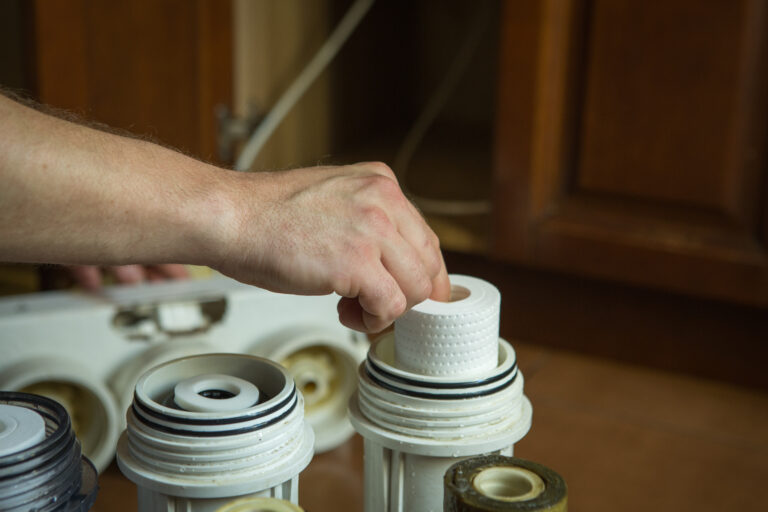
Check whether your system needs a GFCI outlet or drain connection. Make sure there’s room to remove and replace filter cartridges easily.
Real Risks of Outdoor Installation (and How to Reduce Them)
- Freezing and Bursting: Frozen water expands and cracks housings. Protection includes pipe insulation, heat tape, and enclosed cabinets.
- Overheating and UV Damage: Use light-colored coverings and shade. All outdoor systems, including setups recommended by Water Logix, must have UV protection.
- Leaks That Go Unnoticed: Check your system monthly. Look for damp ground, hissing, or discoloration.
- Security and Vandalism: Use a locking cabinet and keep the equipment out of street view.
Essential Maintenance for Outdoor Systems
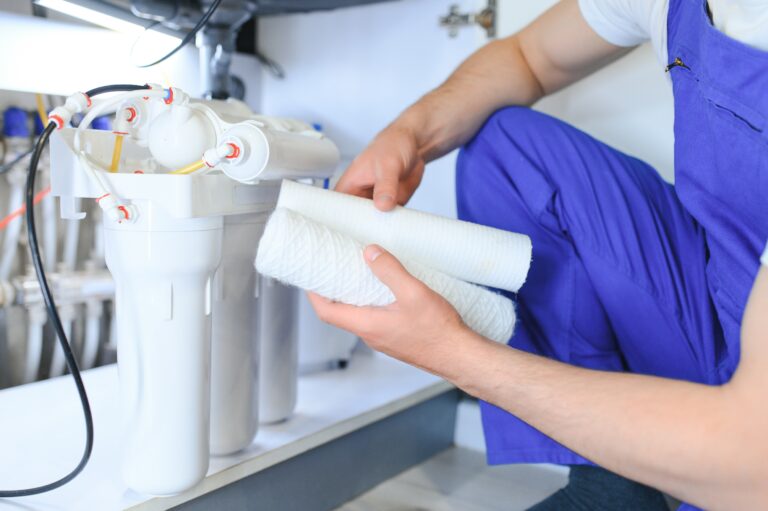
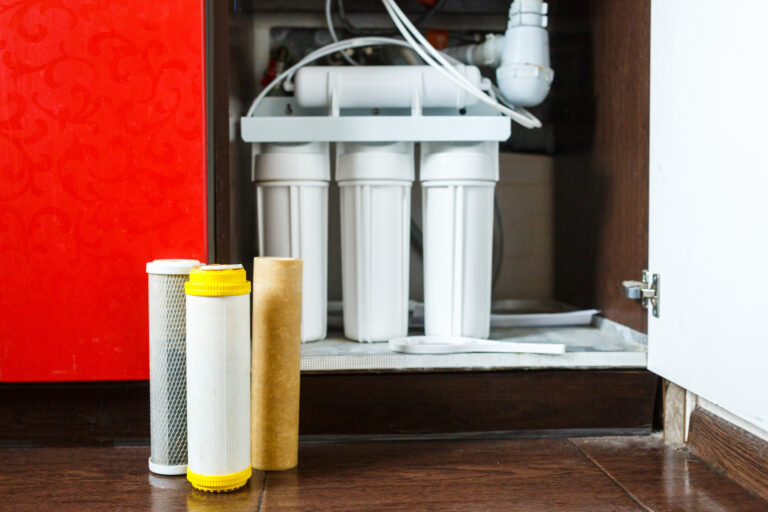
- Change filters on schedule.
- Check for dirt buildup monthly.
- Inspect salt levels in winter if you have a softener.
- Verify fittings and seals twice a year.
When You Should Keep the System Inside
If your region freezes often or your budget can’t cover cabinets, insulation, and extra labor, the safer choice is an indoor installation. Indoors, your system stays stable, protected, and fully covered under warranty.
If you’re unsure whether your home is a good match for outdoor installation, reach out to a local specialist. Companies like Water Logix help homeowners evaluate climate, location, and cabinet options before anything is installed. A quick consultation can save you hundreds in avoided damage and help you choose a setup that actually works for your space.
Conclusion
Can I put my water filtration system outside? Yes, you often can, but only with proper shelter, climate planning, and realistic expectations. Outdoor setups demand more attention, but they can save significant indoor space and make maintenance easier. The real question isn’t just can you put it outside. It’s how to do it safely.
When you understand how weather, materials, and plumbing behave over time, you can build a setup that works for your home long-term. Resources like Water Logix can help guide you toward the safest choice for water testing in Hatfield and other filtration services.