A whole house water filter is more than just an appliance; it’s your home’s first line of defense against impurities in the water you and your family use every day. From showering to cooking to cleaning, every drop of water that flows through your house matters. But what exactly does a whole house water filter remove, and why is it such an essential investment for your home?
In this article, we’ll explore what whole house water filters are designed to remove, how they handle specific contaminants like forever chemicals, and whether they’re the right choice for your household. We’ll also cover potential drawbacks, maintenance tips, and where to find the right system for your needs.
What Does a Whole House Water Filter Remove?
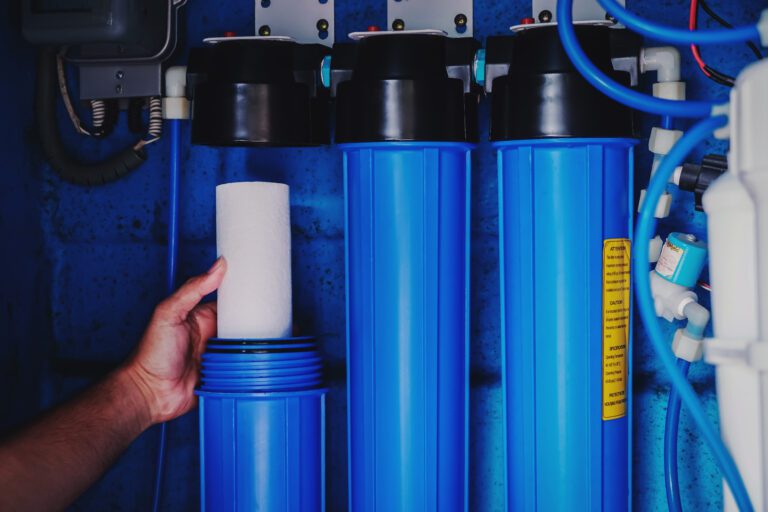
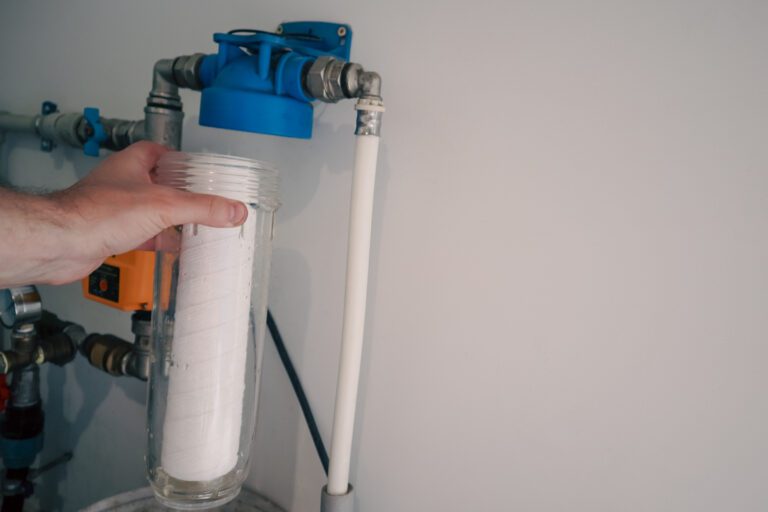
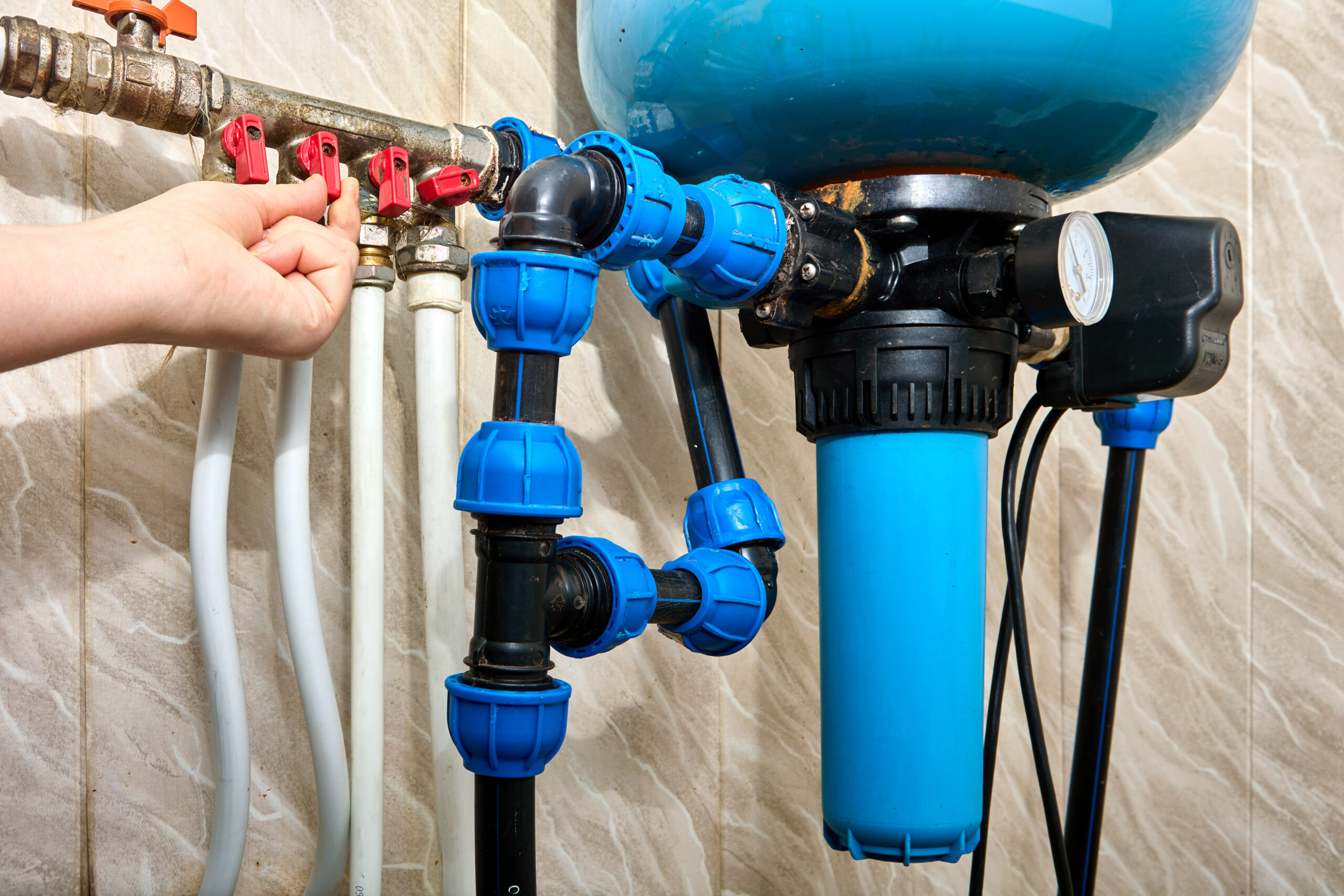
Whole house water filters are designed to address a broad spectrum of contaminants, ensuring the water that flows from every tap in your home is cleaner, safer, and more pleasant to use. These filters are typically installed at the main water line, meaning they treat all water entering your home, not just the water in your kitchen or bathroom.
Here’s what a whole house water filter can remove:
1. Sediments and Grit
Things like sand, silt, and rust can sneak into your water, especially if you have a well or live in an area with older plumbing. These tiny particles can not only mess with the taste of your water but also clog up appliances and pipes. Whole house filters with sediment filtration catch these bits before they cause trouble.
2. Chlorine and Chloramines
Municipal water is often disinfected with chlorine or chloramines. While these chemicals keep water safe from bacteria, they can leave a funky taste and smell—like a swimming pool in your tap. Plus, they can dry out your skin and hair. A good whole house filter says “no thanks” to these chemicals, making your water much gentler on you and your family.
3. Volatile Organic Compounds (VOCs)
VOCs might sound fancy, but they’re not something you want in your water. Found in things like pesticides and industrial runoff, they can sneak into your water supply and pose health risks. Luckily, carbon filters in a whole house system are great at catching these sneaky contaminants.
4. Heavy Metals
Metals like lead and mercury can find their way into your water from corroded pipes or polluted sources. These aren’t just bad for your health—they’re downright dangerous, especially for kids. Many whole house filters come with special media designed to pull these metals out of your water.
5. Yucky Tastes and Odors
Ever pour a glass of water and smell something off, like a metallic tang or a chemical whiff? Whole house filters tackle these issues, giving you fresh-tasting, clean-smelling water every time.
6. Targeted Contaminants Based on Your Needs
Depending on your water source, you might deal with specific issues like:
- Iron and Manganese: These can stain your laundry and sinks, and nobody wants that.
- Sulfur: If your water smells like rotten eggs, it’s probably sulfur. Filters can help with that too.
- Bacteria and Parasites: Some filters, especially those with UV lights, zap these biological baddies before they reach your glass.
The beauty of whole house water filters is that they’re customizable to your specific needs. Whether you’re battling hard water, unpleasant odors, or health-related concerns, there’s a system out there to help.
Do Home Water Filters Remove Forever Chemicals?
Forever chemicals, also known as PFAS (per- and polyfluoroalkyl substances), are a group of man-made chemicals that have earned their nickname because they don’t break down naturally in the environment—or in your body. These stubborn contaminants can make their way into water supplies through industrial pollution, firefighting foams, and everyday products like non-stick cookware or water-resistant fabrics.
So, the big question: Can home water filters remove them?
The answer is yes—but not all filters are up to the task. Removing PFAS requires specialized filtration technologies. Here are the most effective options:
1. Activated Carbon Filters
High-quality activated carbon filters are great at reducing PFAS levels in water. These filters work by trapping the chemicals on their surface, preventing them from passing through. Whole house systems with advanced carbon filtration can handle PFAS, but you’ll want to ensure the system is certified to target these chemicals specifically.
2. Reverse Osmosis (RO) Systems
Reverse osmosis is one of the most effective ways to remove PFAS. While RO systems are typically installed at a single point of use (like under the sink), some whole-house systems incorporate RO for more comprehensive protection.
3. Ion Exchange Filters
These systems replace harmful ions (like PFAS) with harmless ones. They’re another effective option, particularly for households dealing with high levels of forever chemicals.
What About Standard Filters?
Unfortunately, basic filters (like those in many pitcher systems or budget-friendly units) won’t do much to remove PFAS. These chemicals are too small and stubborn for standard filtration methods to handle.
If PFAS contamination is a concern in your area, it’s essential to choose a water filter system designed specifically to address them. At Water Logix, we understand the importance of keeping your family safe from even the trickiest contaminants. That’s why we recommend PFOAS filters with proven technology to tackle forever chemicals effectively.
What Are the Disadvantages of a Whole House Water Filter?
While whole house water filters offer numerous benefits, it’s important to look at the full picture before making an investment. Like any system, they come with a few potential drawbacks. Here’s a breakdown of the main disadvantages to help you make an informed decision:
1. Initial Cost
Whole house water filters are a significant upfront investment. Depending on the type of system you choose and the specific contaminants you need to address, prices can range from several hundred to a few thousand dollars. However, this cost often pays off in the long run through improved water quality, reduced plumbing issues, and fewer appliance repairs.
2. Maintenance Requirements
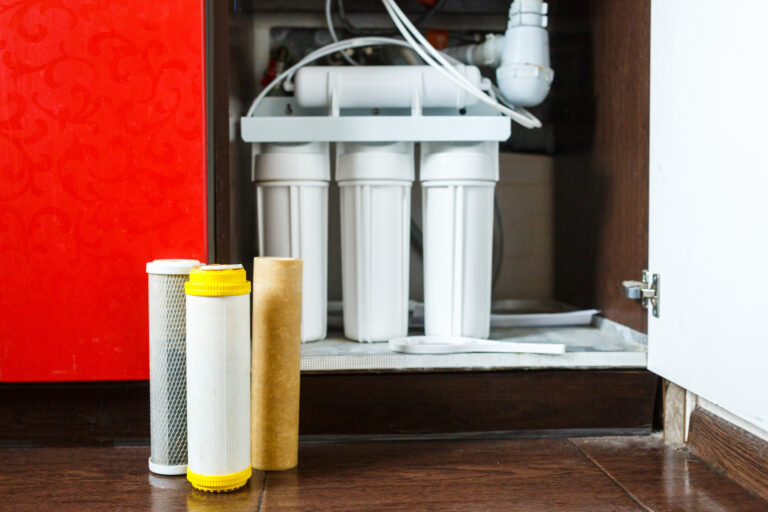
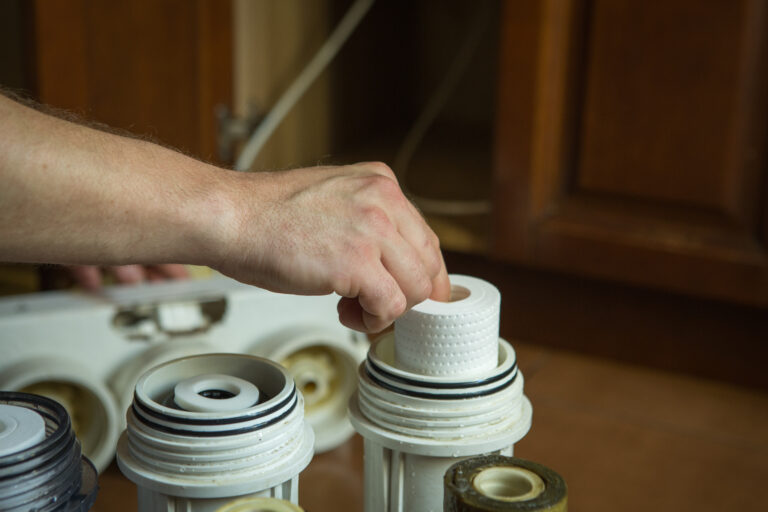
Regular maintenance is essential to keep your whole house filter performing effectively. Filters need to be replaced periodically—how often depends on your water quality and the type of system. For example:
- Sediment filters may need replacing every 3–6 months.
- Carbon filters often last 6–12 months.
- Specialty filters, like those targeting heavy metals or PFAS, may have different lifespans.
Neglecting maintenance can reduce the system’s effectiveness and even cause damage to your water supply.
3. Not All Contaminants Are Covered
While whole house water filters are versatile, they’re not one-size-fits-all. Some systems may excel at removing chlorine, sediment, and VOCs but might not target hard water minerals, bacteria, or PFAS. In some cases, you might need additional systems, like a water softener or reverse osmosis filter, to address specific concerns.
While these disadvantages are worth considering, they don’t outweigh the significant benefits of having cleaner, safer water throughout your home. By choosing the right system for your needs and keeping up with maintenance, you can minimize these drawbacks and enjoy the advantages of a whole house water filter.
Can You Drink Tap Water with a Whole House Filter?
Absolutely, you can drink tap water treated by a whole house water filter, and in most cases, it’s much cleaner and better tasting than untreated water. These systems are designed to remove many common impurities, such as chlorine, sediment, and some harmful chemicals, making the water flowing through your home safer for everyday use—including drinking.
However, it’s worth noting that the quality of the water depends on the specific filter you’ve installed and what contaminants it targets. For example, a standard whole house filter might not address certain microscopic contaminants like bacteria or viruses. If these are concerns in your area, additional measures like UV sterilization or a dedicated drinking water system might be necessary.
That said, if your water source is municipally treated and your whole house filter is handling chlorine, sediment, and taste issues, you’ll likely find your tap water perfectly enjoyable and safe to drink. For those wanting an extra layer of purification specifically for drinking and cooking, pairing the whole house filter with a point-of-use system, such as a reverse osmosis filter, is a great option.
Drinking from your tap with a whole house filter means peace of mind, knowing the water has been treated to meet your family’s needs. It’s a simple and reliable solution to improve your water quality without hassle.
Is a Whole House Filter a Good Idea?
Installing a whole house water filter can be one of the best decisions for your home and family, especially if water quality is a top priority. These systems offer comprehensive filtration, ensuring that every drop of water in your home—whether it’s for drinking, bathing, or cleaning—is treated and improved. But is it a good idea for your situation? Let’s break it down.
For starters, whole house water filters are ideal for households that want consistent, high-quality water from every faucet. They protect your plumbing and appliances by removing sediment and corrosive chemicals like chlorine, which can extend the lifespan of your water heater, washing machine, and even your pipes. Plus, they’re a game-changer for anyone tired of dealing with strange water smells, unpleasant tastes, or irritating skin and hair after showers.
If your home relies on well water, a whole house filter becomes even more valuable. It can tackle common well water issues like sediment, iron, and sulfur odors while providing a first line of defense against contaminants. For city water users, these filters are perfect for removing disinfectants and improving the overall taste and safety of the water you rely on daily.
That said, whole house water filters aren’t for everyone. They’re a commitment in terms of cost and maintenance, and they’re not designed to handle every possible contaminant. If your main concern is drinking water quality, you might find a dedicated under-sink or countertop filter sufficient. But if you want to improve water quality throughout your entire home—benefiting your family, appliances, and plumbing—a whole house filter is absolutely worth it.
How Long Does a Whole House Water Filter Last?
The lifespan of a whole house water filter varies depending on the type of filter, your water quality, and how much water your household uses. Here’s a breakdown to help you understand how often you might need to replace different components:
Sediment Filters
- Lifespan: 3 to 6 months
- Purpose: Captures larger particles like sand, rust, and dirt. If you have high levels of sediment in your water, you may need to replace these more frequently.
Carbon Filters
- Lifespan: 6 to 12 months
- Purpose: Removes chlorine, unpleasant tastes, odors, and volatile organic compounds (VOCs). Heavily chlorinated water may reduce the filter’s lifespan.
Specialized Filters
- Lifespan: 12 months to 2+ years
- Purpose: Targets specific contaminants, like heavy metals, nitrates, or PFAS. These tend to last longer due to their specialized function.
UV Purification Bulbs (if included)
- Lifespan: 1 year
- Purpose: Kills bacteria, viruses, and other microorganisms. Replacing the UV bulb annually ensures the system maintains its effectiveness.
Whole System Housing and Components
- Lifespan: 10+ years
- Purpose: The system’s casing and core parts are designed for long-term use. With regular maintenance, these components can last a decade or more.
What Affects Filter Lifespan?
- Water Quality: More contaminants mean filters work harder and need replacing sooner.
- Household Water Usage: Larger households or heavy water use will shorten filter life.
- System Design: High-quality systems often come with larger, more durable filters that last longer.
Maintenance Tip:
Check your system regularly and keep an eye on water flow or quality. Many filters also come with indicators or alerts to let you know when replacements are needed, which simplifies upkeep.
Investing in high-quality filters and sticking to a maintenance schedule ensures your whole house water filter remains effective for years to come.
Where to Buy a Whole House Water Filter
When it comes to purchasing a whole house water filter, it’s important to choose a trusted provider that understands your unique water quality needs. That’s where Water Logix comes in. We specialize in helping homeowners find the perfect water filtration solutions, combining high-quality products with personalized service.
At Water Logix, we offer a range of whole house water filtration systems designed to tackle common water issues like chlorine, sediment, heavy metals, and even emerging contaminants like PFAS. Our team is dedicated to ensuring you get the right system for your home, whether you’re dealing with city water or well water challenges. We take the time to assess your water quality and recommend solutions that fit your household’s size, usage, and budget.
You can rely on Water Logix for more than just the product itself. We’re here to guide you through the entire process—from selecting the right system to professional installation and ongoing maintenance support. It’s not just about selling you a filter; it’s about helping you achieve peace of mind, knowing your family’s water is safe and clean.
If you’re ready to upgrade your home’s water quality, reach out to Water Logix today. We’ll help you take the first step toward healthier, better-tasting water for your entire household.