For homes with private wells or those looking for extra protection, ultraviolet (UV) water treatment systems provide a simple yet powerful way to ensure clean, safe water.
In this article, we’ll explain how UV water treatment works and explore its ability to tackle contaminants like E. coli, chlorine, and more.
If you’re considering a UV water filtration system for your home, this guide will help you understand how it can improve your water quality and safeguard what matters most.
How Does UV Water Treatment Work?
Ultraviolet (UV) water treatment uses ultraviolet light to disinfect water by neutralizing harmful microorganisms. This chemical-free process is simple, highly effective, and a popular choice for households seeking clean, safe drinking water.
Here’s how UV water treatment works step-by-step:
Water Enters the UV Chamber
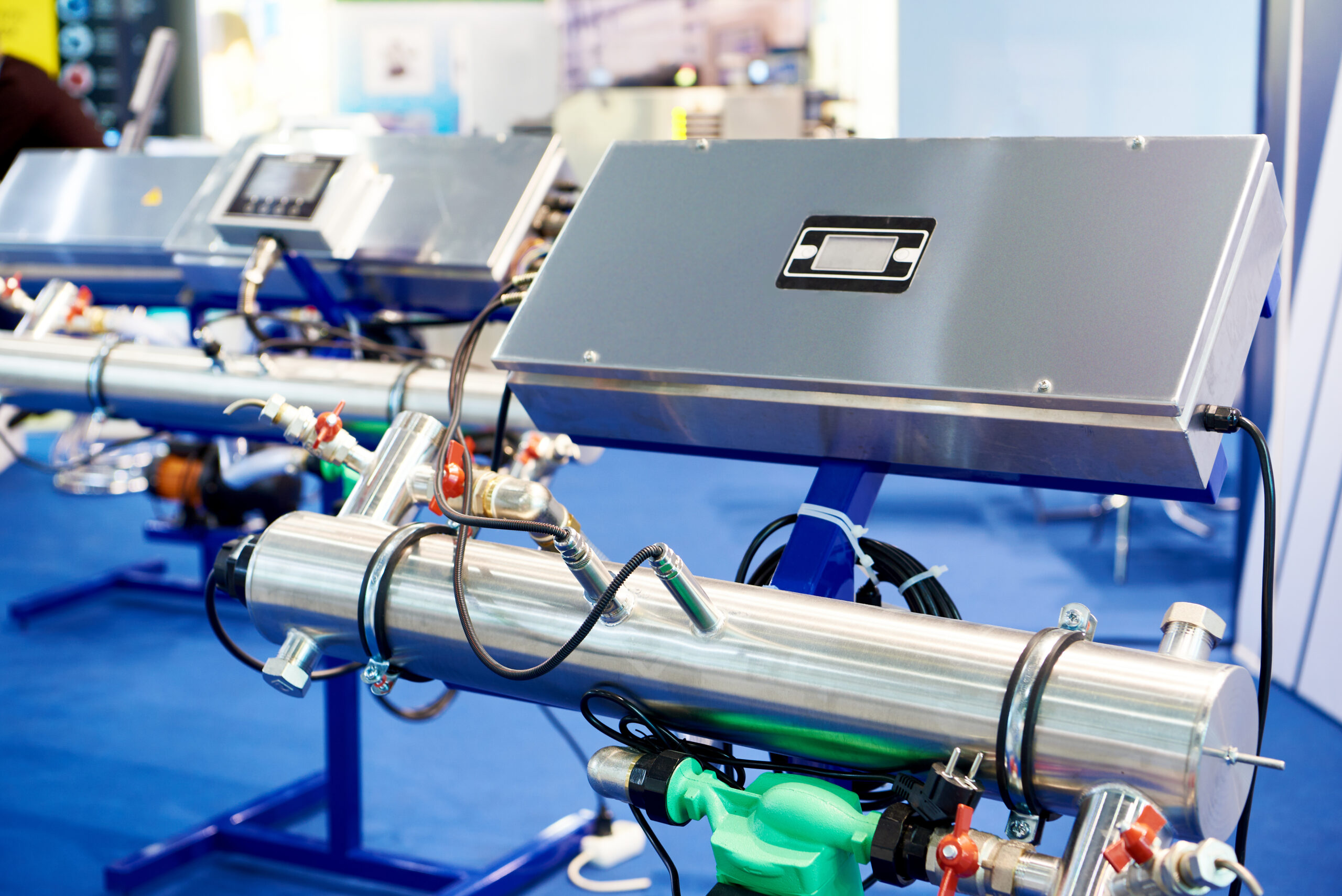
Water flows into a chamber that contains the UV lamp. The chamber is usually made of stainless steel or another UV-reflective material to maximize effectiveness. Water moves through the chamber at a controlled rate, ensuring that every drop is exposed to the UV light.
Microbial Inactivation
The UV lamp emits UV-C light, a specific wavelength (typically 254 nanometers) that is highly effective at penetrating the DNA and RNA of microorganisms. The light stops them from being able to grow or cause harm.
No Chemicals, No Changes to Your Water
Unlike treatments that use chemicals such as chlorine, UV systems don’t alter the taste or smell of your water. You still get the same clean, refreshing water you expect only now it’s safer to drink.
Clean Water for Every Drop
Once the water leaves the UV chamber, it’s fully treated and ready to use. Whether you’re drinking it, cooking with it, or washing your hands, you can trust that it has been carefully disinfected.
UV water treatment is not only effective, it is also an environmentally friendly way to protect your family’s health. You can enjoy peace of mind knowing your water is clean and safe, without any added chemicals or complicated processes.
Does Ultraviolet Treatment Remove Chlorine From Water?
A common question homeowners have about UV water treatment is whether it removes chlorine from water. The short answer is no. Ultraviolet treatment does not remove chlorine.
Here’s why. UV water treatment is specifically designed to target living organisms such as bacteria, viruses, and other harmful pathogens. It works by disrupting their ability to grow and cause harm, but it does not affect chemicals like chlorine that may already be in your water.
If your water contains chlorine, for example from a municipal water supply, you will need additional methods to remove it. A carbon filter is a popular choice for homeowners who want to reduce chlorine. Many households combine a carbon filter with a UV system for a complete solution. The filter removes chlorine and other chemical contaminants, while the UV system ensures the water is free of harmful microorganisms.
In summary, UV treatment is excellent for making your water microbiologically safe, but it is not designed to remove chemical substances like chlorine. If chlorine is a concern, pairing your UV system with a filter is an easy way to achieve the best possible water quality.
Does Ultraviolet Treatment Remove E. Coli From Water?
Yes, ultraviolet (UV) water treatment is highly effective at removing E. coli from water. In fact, UV systems are one of the best methods for eliminating this harmful bacteria, making them a trusted choice for families who rely on well water or want extra assurance about their water quality.
How Does UV Remove E. Coli?
E. coli is a type of bacteria that can cause serious health problems if ingested. When water containing E. coli passes through a UV water treatment system, the bacteria are exposed to UV-C light. This light penetrates their cells and disrupts their DNA, stopping them from reproducing or causing harm. Essentially, the UV light neutralizes E. coli, making it harmless.
Why Is UV Disinfection a Great Choice for E. Coli?
- No Chemicals Needed: Unlike chlorine treatments, which can leave behind a taste or odor, UV treatment disinfects your water without altering its natural qualities.
- Fast and Effective: UV systems work in real time, treating water as it flows through the system, so there’s no waiting period.
- Environmentally Friendly: UV light doesn’t add anything to your water or create harmful byproducts, making it a clean and sustainable choice.
If you’re concerned about E. coli in your water, a UV system offers peace of mind by providing a safe, chemical-free solution. It’s especially helpful for homes with private wells, where the risk of bacteria is often higher.
Does Ultraviolet Treatment Remove Turbidity From Water?
No, ultraviolet (UV) water treatment does not remove turbidity from water. Turbidity refers to the cloudiness or haziness of water caused by particles like dirt, silt, or organic matter. While UV water systems are excellent at neutralizing harmful microorganisms, they aren’t designed to physically filter out particles.
Why Turbidity Matters for UV Treatment
Turbidity can interfere with the effectiveness of a UV water system. Here’s why:
- Blocks UV Light: When water is cloudy, the particles in it can block the UV light from reaching microorganisms. This means some bacteria or viruses might not get exposed to enough UV light to be neutralized.
- Harbors Microorganisms: Particles in turbid water can shield bacteria or viruses, allowing them to survive the UV treatment process.
How to Address Turbidity
If your water has turbidity, it’s important to address it before it enters your UV system. Here are common solutions:
- Pre-Filtration: Installing a sediment filter or multi-stage filtration system ahead of your UV unit can remove particles and reduce turbidity. This ensures the UV light can reach all microorganisms effectively.
- Regular Maintenance: Keeping your pre-filters clean and replacing them as needed will help maintain the system’s overall efficiency.
A Perfect Team
For many homeowners, a pre-filtration system combined with UV water treatment provides the best of both worlds: clear, particle-free water that’s also free of harmful microorganisms. This setup ensures your water is not only visually clean but also safe to drink.
If you’re noticing cloudy or turbid water, it’s a good idea to assess your filtration needs. Our team can help guide you toward the right combination of filtration and UV treatment for your home.
Ultraviolet Water Treatment for Coliform Bacteria
Coliform bacteria are a common concern for homeowners, especially those using private wells. These bacteria are not typically harmful themselves, but their presence can indicate contamination from other harmful microorganisms. Thankfully, ultraviolet (UV) water treatment is one of the most effective methods for eliminating coliform bacteria from your water supply.
Why Is UV Perfect for Coliform Bacteria?
- Reliable Disinfection: UV treatment has been proven to remove up to 99.99% of harmful microorganisms, including coliform bacteria.
- Non-Invasive: It disinfects water without adding any chemicals, so your water retains its natural taste and odor.
- Safe for All Households: Whether you’re using well water or municipal water, a UV system provides extra assurance that your water is free from bacteria.
UV Water Filtration System Install
Installing a UV water filtration system is one of the best steps you can take to ensure your family has safe, clean water. While UV systems are highly effective, proper installation is crucial to ensure they work as intended. That’s where expert guidance and services, like those we provide at Water Logix, come in.
How Is a UV Water Filtration System Installed?
1. Assess Your Water Quality
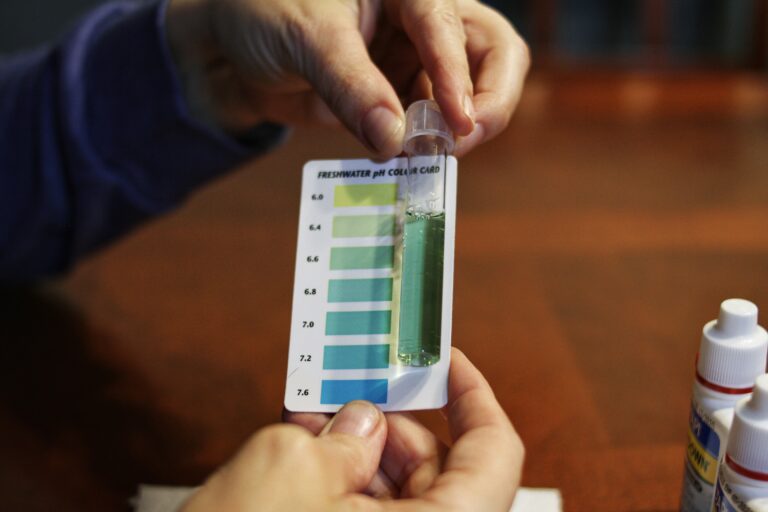
Before installation, it’s important to evaluate your water. Testing for bacteria, turbidity, and other contaminants helps determine if additional filtration, such as sediment filters, is needed alongside the UV system.
2. Install Pre-Filtration (If Needed)
If your water contains sediment, turbidity, or other particles, a pre-filter should be installed. This ensures the UV light can effectively reach and neutralize microorganisms. Pre-filtration is especially important for households using well water or water that appears cloudy.
3. Place the UV System
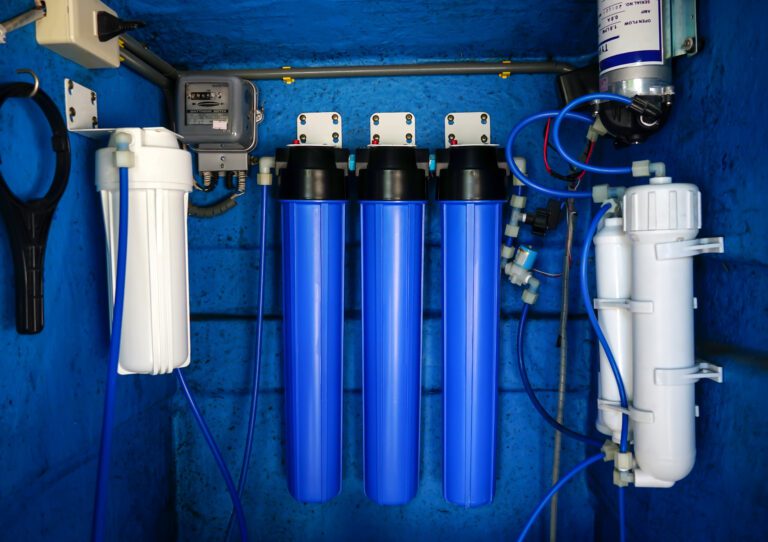
The UV filtration unit is typically installed at the point where water enters your home so all faucets and fixtures receive treated water. Installation involves mounting the UV chamber, connecting it to the water supply, and securing the UV lamp within the system.
4. Set Up Power and Flow Controls
UV systems need electricity to power the lamp. During installation, the system is connected to a power source, and flow controls are adjusted to ensure water moves through the UV chamber at the correct rate for effective disinfection.
5. Test and Calibrate
Once installed, the system is tested to confirm it is functioning properly. Water is retested after treatment to ensure the UV system is successfully eliminating harmful microorganisms.
Why Choose Water Logix for UV Water Filtration System Installation?
At Water Logix, we understand that protecting your family’s drinking water is deeply personal. That’s why we provide expert installation services tailored to your home’s specific needs. Here’s what sets us apart:
- Professional Assessment: We test your water and recommend the right combination of pre-filtration and UV treatment.
- Seamless Installation: Our experienced technicians ensure your system is installed correctly and efficiently.
- Ongoing Support: We’re here to help with maintenance, lamp replacements, and any questions you have about your system.
Installing a UV water filtration system in Bucks County is an investment in your family’s health and peace of mind. With Water Logix, you can trust that every step of the process is handled with care and expertise.