Living in Bucks County, many residents rely on private wells as their primary water source. While wells can provide fresh, clean water, they also come with a responsibility: ensuring the water is safe for your family. Well water, unlike municipal water, isn’t treated or monitored by public utilities. This makes proper testing and treatment essential to maintain its quality.
In this guide, we’ll cover the essentials of well water treatment in Bucks County. From understanding whether Pennsylvania well water is safe to drink to exploring the importance of filtration systems, this article will walk you through what you need to know to keep your well water pure and healthy.
Is PA Well Water Safe to Drink?
Pennsylvania well water can be safe to drink, but it depends entirely on its quality, which varies greatly by location and maintenance. Unlike municipal water, well water is not automatically treated or monitored, leaving safety in the hands of the well owner.
While Bucks County offers an abundance of natural water sources, potential risks include:
Geology and Natural Minerals
Bucks County’s geology can contribute naturally occurring substances like iron, manganese, or even radon to well water. While these minerals aren’t always harmful, they can affect the taste, odor, and, in some cases, the safety of your water.
Agricultural Runoff
The area’s active farming industry can introduce pesticides, herbicides, and fertilizers into groundwater supplies. Without proper filtration, these contaminants may seep into wells and pose health risks.
Bacterial Contamination
Wells located near septic systems or improperly sealed can become a breeding ground for bacteria, such as coliform or E. coli, which can cause serious illness.
Human and Industrial Impact
Industrial activities, aging fuel tanks, and landfill sites can introduce chemicals into the water supply. Substances like volatile organic compounds (VOCs) or heavy metals are a particular concern in some areas.
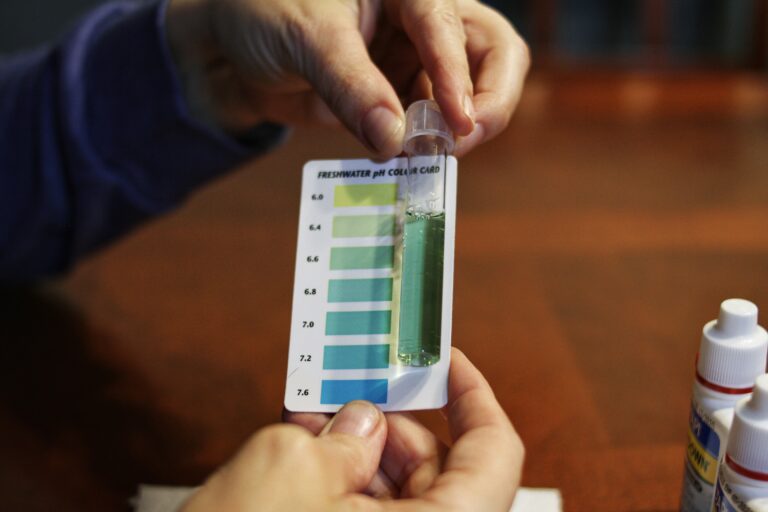
The only way to confirm if your well water is safe is through regular well water testing. By understanding its composition and addressing potential contaminants through filtration or treatment, you can enjoy safe, healthy water for your home.
Well Water Treatment in Bucks County: Why It Matters
Investing in well water treatment in Bucks County comes with numerous benefits, ensuring that your water is not only safe but also enjoyable to use. For homeowners who rely on private wells, treating water is about improving every aspect of home life, from health to convenience.
Improved Water Taste and Odor
Well water treatment systems remove impurities that can cause unpleasant tastes or odors, such as sulfur or metallic notes. This ensures your water is refreshing and enjoyable to drink straight from the tap.
Healthier Living
Treatment systems eliminate harmful contaminants, such as bacteria, nitrates, and VOCs, protecting your family from waterborne illnesses and long-term exposure to harmful chemicals.
Cost Savings Over Time
By reducing mineral buildup and protecting your plumbing and appliances, well water treatment saves you money on maintenance, repairs, and replacements. Appliances like water heaters and washing machines operate more efficiently with treated water.
Softer, More Effective Water
Hard water is a common issue in Bucks County, leading to soap scum, stiff laundry, and dry skin. Water softeners, a common component of treatment systems, improve soap lather, leave clothes feeling softer, and are gentler on skin and hair.
Environmental Benefits
When your water is properly treated, you’re less likely to rely on bottled water or harsh chemical cleaners, reducing plastic waste and your environmental footprint.
Peace of Mind
Above all, knowing that your family is drinking and using safe, clean water brings invaluable peace of mind. Routine maintenance of your treatment system ensures reliable water quality year-round.
Well water treatment in Bucks County is an investment in health, convenience, and the overall well-being of your home and family. The right system tailored to your water needs can make a significant difference in your daily life.
How Does a Well Water Filtration System Work?
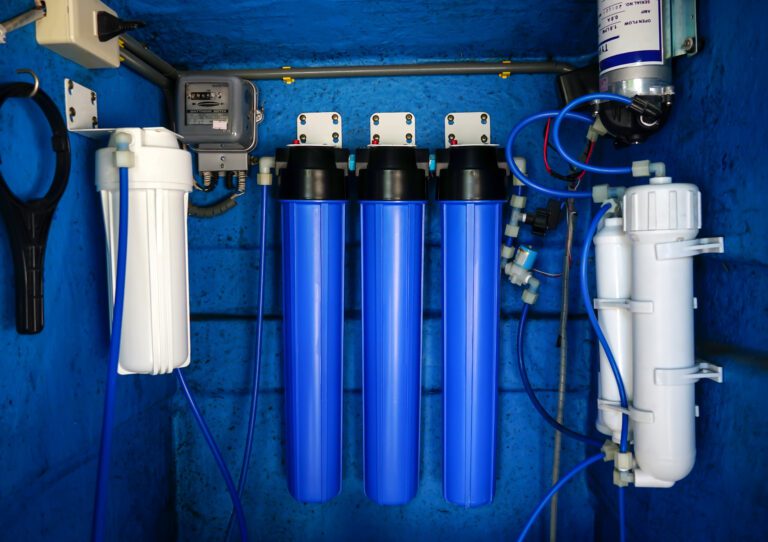
A well water filtration system is designed to remove contaminants, improve water quality, and ensure safe drinking water for your home. These systems work in stages, using specialized filters and technologies to target different impurities. Here’s a step-by-step breakdown of how they work:
Pre-Filtration
The first stage typically involves a sediment filter, which captures larger particles like sand, dirt, and rust. This protects the rest of the system and prevents clogging.
Carbon Filtration
Activated carbon filters are commonly used to remove chlorine, pesticides, herbicides, and volatile organic compounds (VOCs). They also improve the taste and odor of the water.
Specialized Contaminant Removal
Depending on your water’s specific needs, additional filters or systems may be used:
a. Reverse Osmosis (RO): Removes dissolved solids, heavy metals, and harmful contaminants like arsenic and lead.
b. Iron and Manganese Filters: Specifically designed to address these common minerals in Bucks County wells.
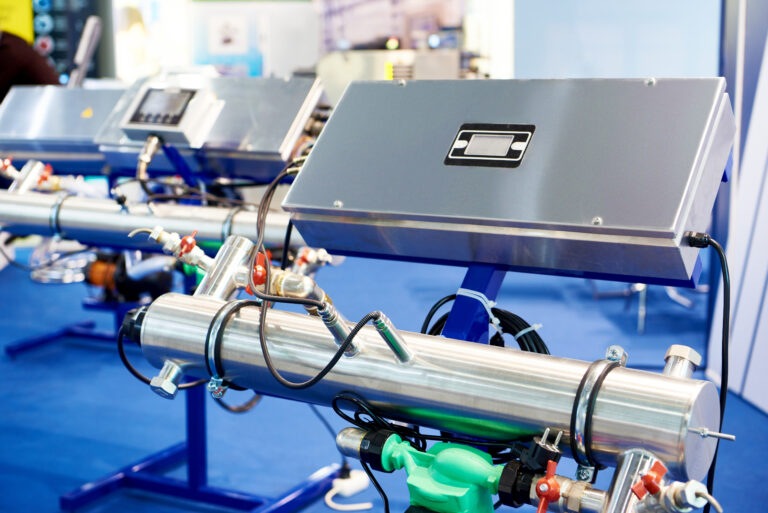
c. UV Purification: Kills bacteria, viruses, and other microorganisms without chemicals.
Water Softening
For homes dealing with hard water, a water softener may be integrated into the system. This uses ion exchange to remove calcium and magnesium, preventing scale buildup in pipes and appliances.
Post-Filtration
As a final step, some systems include a polishing filter to ensure your water is crystal clear and free of any remaining particles or impurities.
Storage and Delivery
Once filtered, the clean water is stored in a tank or delivered directly to your home’s taps for drinking, cooking, and other uses.
Customization Is Key
Each well water filtration system is tailored to the unique water composition of your home. Regular testing helps identify which contaminants need to be addressed and ensures that your system continues to function effectively.
Well Water Testing in Bucks County, PA: Ensure Peace of Mind
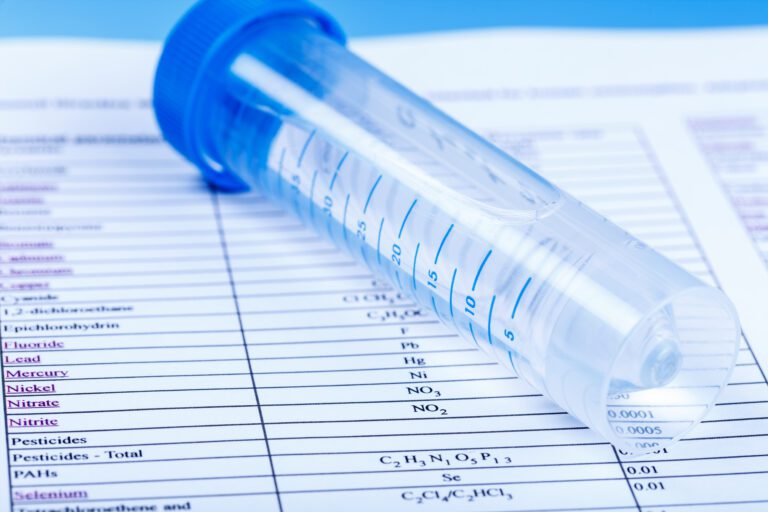
Regular well water testing in Bucks County is crucial to maintaining a safe and reliable water supply for your home. As a private well owner, the responsibility for ensuring water quality rests on your shoulders, making testing an essential step in protecting your family’s health.
Why is Well Water Testing Necessary?
Well water is vulnerable to various contaminants, including bacteria, chemicals, and heavy metals. Testing ensures you:
- Detect Contaminants Early: Identify harmful substances like nitrates, lead, or coliform bacteria.
- Monitor Quality Over Time: Track changes in your water’s composition to address potential issues before they become serious.
- Maintain Your Treatment System: Ensure your filtration or treatment system is effectively removing contaminants.
At Water Logix, we specialize in well water testing in Bucks County. Our services include:
- Comprehensive Testing: We analyze your water for a wide range of contaminants, including bacteria, nitrates, heavy metals, and more.
- Custom Solutions: Based on your water test results, we provide tailored recommendations, such as filtration systems or water softeners, to ensure your water is safe and clean.
- Ongoing Support: Water quality can change over time, and we’re here to help with periodic testing and maintenance to keep your well water at its best.
Your Partner in Pure Water
Water Logix is committed to helping Bucks County homeowners secure safe and reliable drinking water. With our expert testing and treatment solutions, you can enjoy the confidence of knowing your family’s water is in good hands. Contact us today to schedule your well water testing and take the first step toward pure, healthy water.