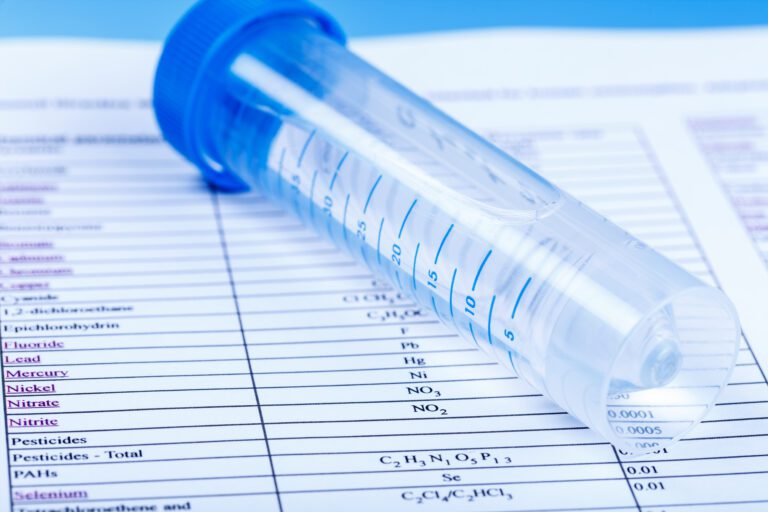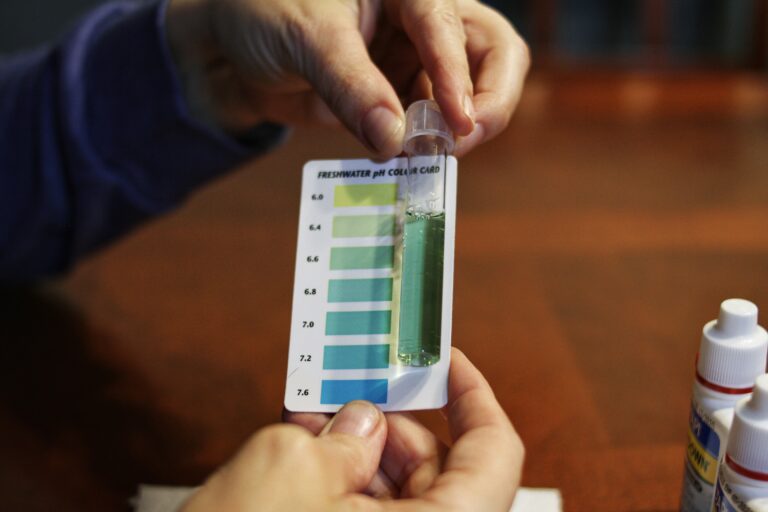


When it comes to ensuring safe drinking water for your household, many people wonder, does boiling tap water remove chemicals? Boiling water is a common method for addressing certain impurities, but its effectiveness has limits. In this article, we’ll explore the effectiveness of boiling water, its limitations in removing chemicals, and alternative methods for achieving truly pure water.
Is Boiled Tap Water Safe to Drink?
Boiling tap water is one of the simplest and most well-known ways to make water safer. It’s effective at killing harmful microorganisms like bacteria, viruses, and parasites, which can cause illness. If you’re ever in a situation where you’re unsure about the biological safety of your water, boiling it is a reliable first step.
However, it’s important to understand the limitations of boiling. While it works wonders for eliminating germs, it doesn’t remove chemicals, heavy metals, or other pollutants that might be present in your tap water. In fact, as water boils and some of it evaporates, the concentration of these chemicals can actually increase.
So, is boiled water safe to drink? It can be, especially if your main concern is biological contamination. But if you’re worried about chemicals or other impurities, boiling alone might not be enough. Fortunately, there are other solutions to explore to ensure your family has access to truly clean, safe water.
Does Boiling Tap Water Remove Chemicals?
Unfortunately, the answer is no. While boiling is effective for killing microorganisms, it has little to no impact on chemical contaminants.
Chemicals like pesticides, chlorine, fluoride, and heavy metals are not biological organisms—they are compounds that boiling water cannot alter. Instead of being destroyed or filtered out, these chemicals stay in the water. What’s more, as the water boils and some of it evaporates, the remaining water can actually have a higher concentration of these contaminants.
For example, if your water contains harmful substances like lead, arsenic, or nitrate compounds, boiling won’t make the water safer. It’s essential to rely on other methods specifically designed to filter or neutralize these contaminants.
Does Boiling Tap Water Get Rid of Pesticides?
No, boiling tap water does not effectively remove pesticides. Pesticides are chemical compounds that often have high boiling points, meaning they do not evaporate or break down during the boiling process.
For example, agricultural runoff can introduce pesticides into water supplies, and while boiling may make the water microbiologically safe, it will not address these harmful chemicals. The molecular stability of pesticides ensures that they persist even at high temperatures.
If you’re concerned about pesticides in your tap water, filtration systems such as activated carbon filters are a much better solution. These filters are designed to trap chemical contaminants, including many pesticides, providing a safer and more effective way to purify your water.
Does Boiling Water Remove Chlorine?
Boiling water can remove some chlorine, but it’s not a complete solution. Chlorine is a volatile chemical, meaning it can evaporate from water when exposed to heat. However, this process is not instant—water needs to be boiled for at least 15 to 20 minutes for a significant reduction in chlorine levels. Even then, boiling does not address chlorine byproducts like trihalomethanes (THMs), which can form during water disinfection and are potentially harmful to human health.
While boiling may slightly reduce chlorine in your tap water, it’s not the most efficient method. If you’re concerned about chlorine and its byproducts, using a filtration system specifically designed to remove chlorine is a much better option.
Does Boiling Water Remove Fluoride?
No, boiling water does not remove fluoride. In fact, as water boils and evaporates, the fluoride concentration can increase in the remaining water.
Fluoride is often added to municipal water supplies to promote dental health, but some households may prefer to reduce or eliminate it due to personal preferences or concerns. Unfortunately, boiling is not an effective method for removing fluoride from tap water.
If you’re looking to remove fluoride, specialized water filtration systems are the best solution. Reverse osmosis filters, for example, are highly effective at removing fluoride and other dissolved solids from water. These systems ensure that your drinking water is free from fluoride and other contaminants, providing a safer and more tailored solution for your household needs.
Will Boiling Water Remove Cyanotoxins?
No, boiling water does not effectively remove cyanotoxins. Cyanotoxins are harmful compounds produced by certain types of algae, often found in water sources affected by harmful algal blooms (HABs). These toxins are stable at high temperatures and are not destroyed during the boiling process.
In fact, boiling water that contains cyanotoxins can sometimes make the situation worse. As the water boils and some of it evaporates, the concentration of cyanotoxins in the remaining water can increase, posing an even greater health risk.
To remove cyanotoxins from water, it’s crucial to use advanced water filtration systems such as reverse osmosis or ultrafiltration. These systems are specifically designed to target and remove microscopic particles, including harmful toxins like cyanotoxins, ensuring your water is safe for consumption.
How Do You Remove Chemicals from Tap Water?
If you’re asking, does boiling tap water remove chemicals?, the answer is no—but that doesn’t mean you’re out of options. To effectively remove chemicals from tap water, you need targeted solutions designed to filter out contaminants at the molecular level. Here are the most reliable methods:
- Activated Carbon Filters: These filters are excellent for removing organic chemicals, pesticides, and chlorine from tap water. The carbon traps and absorbs these substances, improving both water safety and taste.
- Reverse Osmosis Systems: This highly effective method uses a semipermeable membrane to remove a wide range of contaminants, including fluoride, nitrates, heavy metals, and some pesticides. Reverse osmosis can reduce up to 99% of dissolved chemicals, making it one of the best options for comprehensive water purification.
- Ion Exchange Systems: These systems are often used to soften water by replacing harmful ions like lead or calcium with harmless ones like sodium. While they’re great for heavy metals, they don’t remove every type of chemical contaminant.
To achieve truly pure water, it’s often helpful to combine methods, such as pairing an activated carbon filter with a reverse osmosis system. These technologies ensure that your water is not only free from microorganisms but also stripped of harmful chemicals, providing peace of mind for your household.
What Water Filter Removes All Chemicals?
If you’re looking for the most effective way to ensure your water is free from harmful contaminants, the question arises: what water filter removes all chemicals? While no single filtration system can truly remove every possible contaminant, certain advanced technologies come close by targeting a wide range of chemicals.
Reverse Osmosis Filters
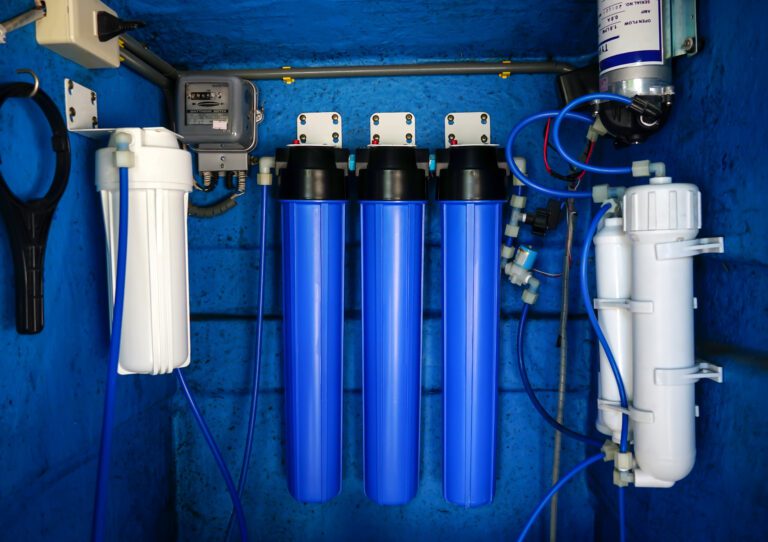
Reverse osmosis (RO) systems are among the best solutions for removing nearly all chemicals from tap water. These systems use a semipermeable membrane to filter out contaminants like fluoride, chlorine, nitrates, pesticides, heavy metals, and more. With the ability to remove up to 99% of dissolved solids, reverse osmosis is an ideal choice for households looking for comprehensive water purification.
Activated Carbon Filters
Activated carbon filters are excellent for removing organic chemicals, chlorine, and volatile organic compounds (VOCs). They work by trapping contaminants in their porous surface, improving water taste and odor while reducing harmful chemicals. However, they are often most effective when paired with other systems, such as reverse osmosis.
PFOA and PFAS Removal Systems
Per- and polyfluoroalkyl substances (PFOAs and PFAS), often referred to as “forever chemicals,” require specialized filters to remove. Advanced systems designed to target these contaminants can effectively reduce their presence, ensuring safer drinking water.
If your goal is to achieve the purest water possible, combining filtration methods is often the best approach. Technologies like reverse osmosis paired with activated carbon or specialized filters for specific chemicals ensure your household has access to truly clean, safe drinking water.
Ensuring clean, safe drinking water for your household requires more than just boiling—it requires targeted solutions to address chemical contaminants. While boiling is effective for eliminating harmful microorganisms, it does not remove chemicals like pesticides, heavy metals, fluoride, or chlorine.
At Water Logix, we offer a wide range of water filtration systems designed to address chemical contamination and meet the unique needs of your household. Whether you’re looking for a comprehensive reverse osmosis system or a specialized solution for specific contaminants, we are here to help you enjoy cleaner, safer water every day. Let us provide you with the tools and expertise to secure pure drinking water for your family.