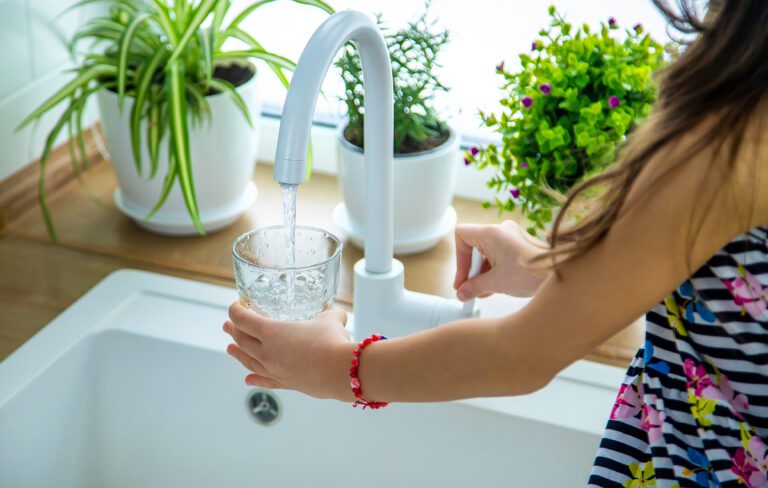
If you rely on a private well for your home’s water supply in Bucks County, you might notice sand, dirt, or cloudy water coming from your taps. This sediment can come from a variety of sources, including soil runoff, well construction issues, or natural groundwater movement. Over time, excess sediment can clog pipes, damage appliances, and affect water quality.
Knowing how to filter sediment from well water is essential for maintaining clean, safe water for your household. In this guide, we’ll explore why your well might be picking up too much sediment, whether it’s safe to drink, and the best ways to remove it using a sediment filter for well water.
Why Is My Well Picking Up So Much Sediment?
If you’ve noticed an increase in sediment in your well water, there are several possible causes. Understanding the source of the problem can help you choose the right filtration method and prevent further issues.
1. Natural Changes in Groundwater
Wells in Bucks County, PA, draw from underground aquifers, which can shift over time. Heavy rainfall, droughts, or seasonal changes can stir up sand, silt, and other particles, leading to more sediment in your water.
2. Well Pump Placement
If your well pump is sitting too close to the bottom of the well, it may be pulling in sand, grit, or silt along with the water. Over time, this can clog your plumbing and damage your water treatment systems.
3. Well Screen or Casing Issues
A properly constructed well includes a screen or casing to keep sediment out. However, if the well casing is cracked or the screen is damaged, dirt and debris can easily enter your water supply.
4. New Well Construction or Repairs
If your well was recently drilled or serviced, it’s common to experience some sediment for a short period. This usually clears up on its own, but if sediment persists, additional filtration may be needed.
5. Water Table Fluctuations
In some cases, changes in the local water table can cause increased sediment levels. A deeper well or an upgraded filtration system may be necessary to ensure clean water year-round.
No matter the cause, knowing how to filter sediment from well water can help you maintain a reliable and safe water supply. But before we dive into filtration methods, let’s answer a key question: Is it safe to drink well water with sediment?
Is It Safe to Drink Well Water with Sediment?
Sediment in well water isn’t always dangerous, but it can be a sign of underlying problems. Whether or not your water is safe to drink depends on the type of sediment and what else might be in it.
1. Harmless vs. Harmful Sediment
- Harmless sediment – Small amounts of sand, silt, or minerals like iron and manganese can make water look cloudy but aren’t necessarily harmful to drink. However, they can affect the taste and cause staining in sinks and appliances.
- Harmful sediment – If sediment comes from deteriorating pipes, agricultural runoff, or contamination from nearby septic systems, it could contain bacteria, heavy metals, or chemicals that pose health risks.
2. Health Risks of Sediment in Drinking Water
Even if sediment itself isn’t toxic, it can carry other harmful contaminants. Some concerns include:
- Bacteria and pathogens – Sediment can provide a breeding ground for bacteria like E. coli, making the water unsafe to drink.
- Heavy metals – High sediment levels may indicate the presence of lead, arsenic, or other harmful metals.
- Chemical pollutants – If your well is near farms or industrial areas, sediment could contain pesticides, nitrates, or other chemicals.
3. Effects on Plumbing and Appliances
Aside from health concerns, excess sediment can:
- Clog pipes and fixtures, reducing water flow.
- Shorten the lifespan of water heaters and appliances by causing buildup.
- Damage well pumps, leading to costly repairs.
How to Ensure Your Water is Safe
If you notice sediment in your water, consider these steps:
- Get your water tested – A professional water test can determine if there are contaminants beyond just sediment.
- Use a sediment filter – Installing a sediment filter for well water in Bucks County helps remove particles before they reach your home’s plumbing.
- Check your well components – Inspect the well casing, pump, and screen for damage.
Since drinking cloudy or gritty water isn’t ideal, let’s go over how to filter sediment from well water effectively.
What Is the Best Sediment Water Filter for a Well?
The best sediment filter for well water depends on the type and amount of sediment present. In Bucks County, PA, well water can contain a mix of sand, silt, and minerals, so selecting the right filter is crucial for maintaining water quality. Here are the top options based on different needs.
1. Spin-Down Sediment Filters
- Best for: Homes dealing with heavy sand and grit in their well water.
- How it works: Uses centrifugal force to separate larger particles before they enter the plumbing system.
- Pros: Reusable and easy to flush out debris.
- Cons: Does not remove fine particles like silt or clay.
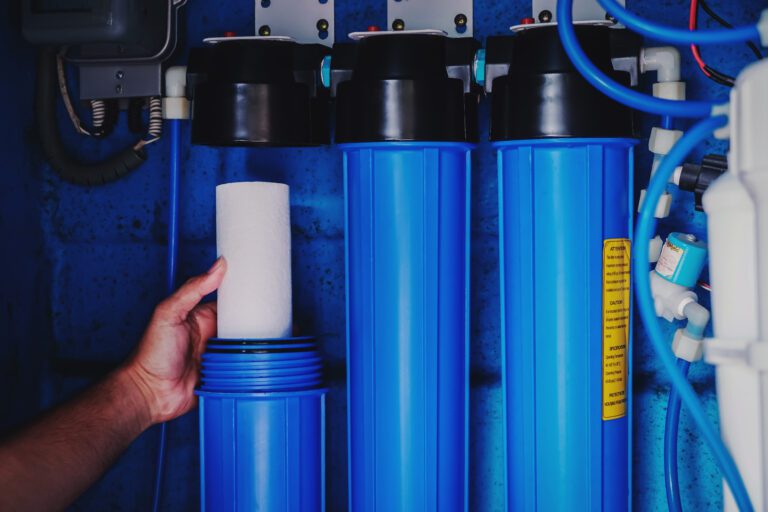
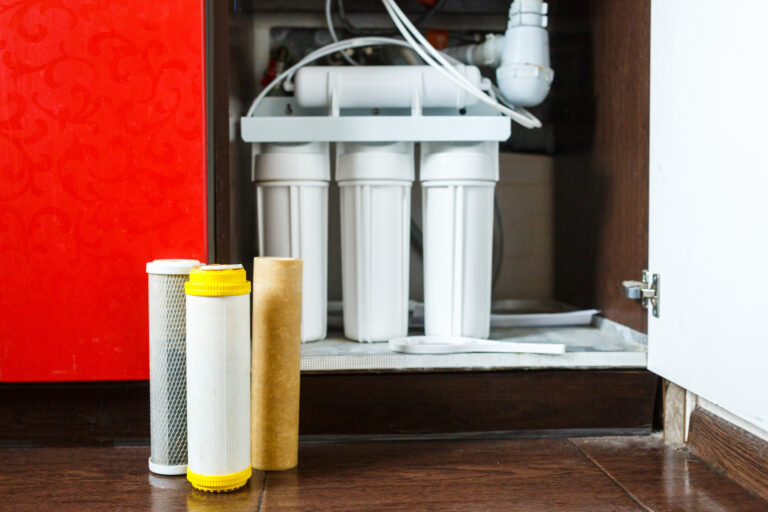
2. Cartridge Sediment Filters
- Best for: Removing fine sediment such as silt, clay, or rust.
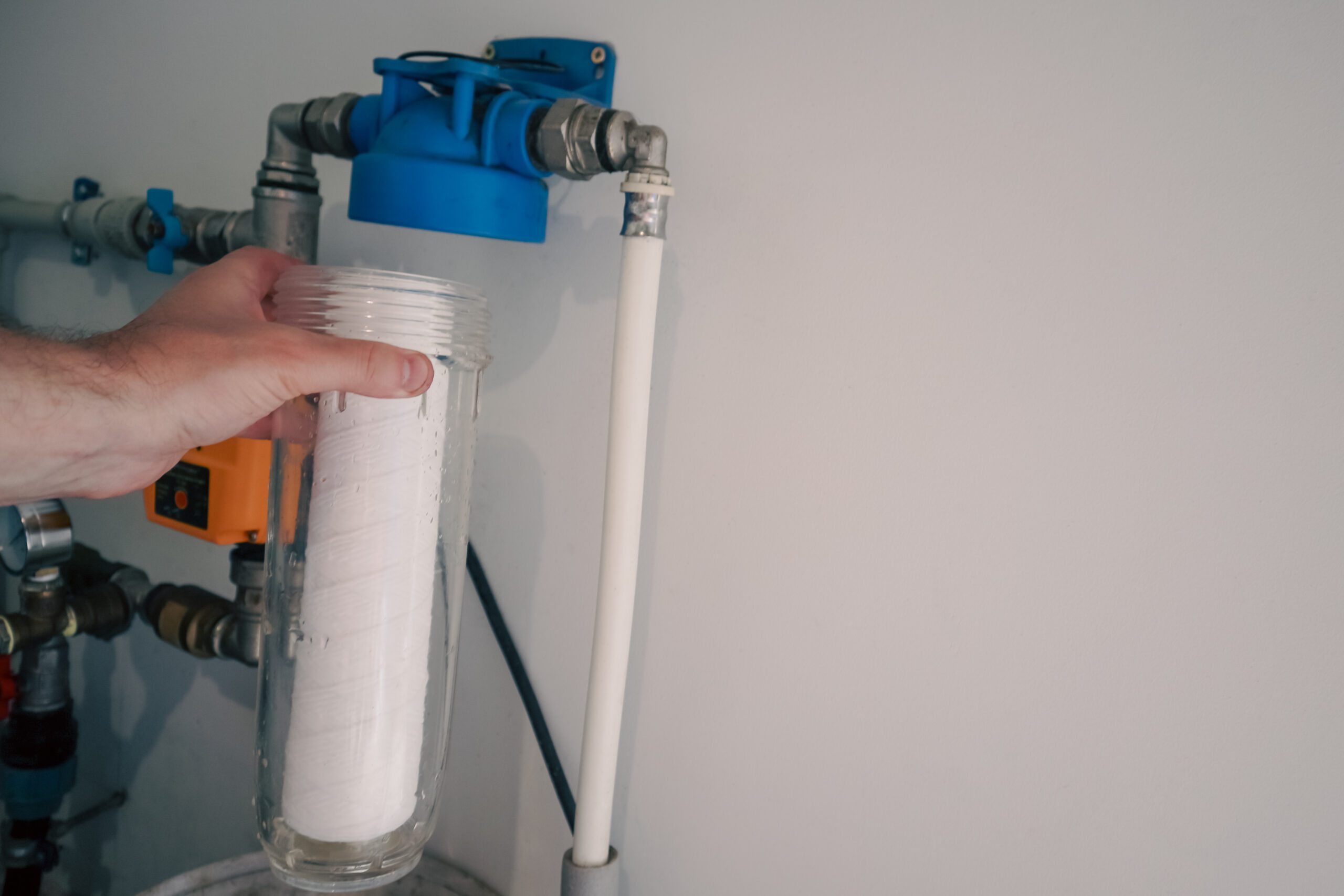
- How it works: Uses a pleated or wound cartridge to trap smaller particles.
- Pros: Available in different micron ratings for customized filtration.
- Cons: Needs regular cartridge replacements to maintain effectiveness.
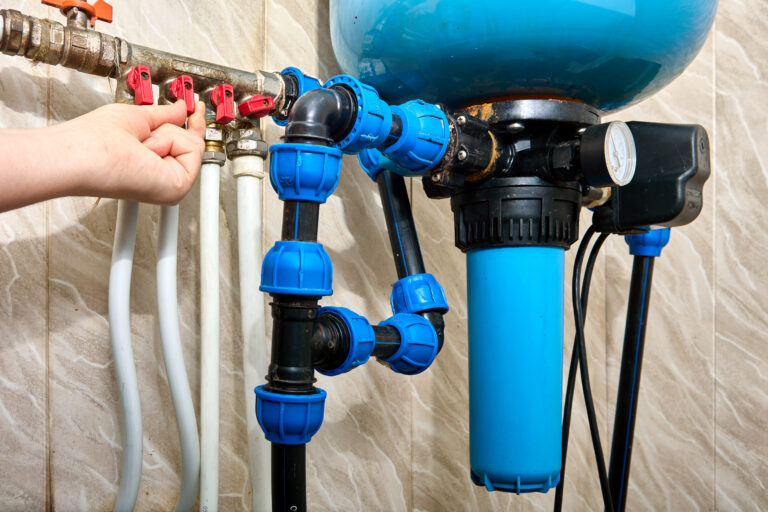
3. Whole-House Sediment Filtration Systems
- Best for: Comprehensive filtration for an entire home.
- How it works: A multi-stage system that removes sediment and can include additional filtration for bacteria and contaminants.
- Pros: Protects plumbing, appliances, and drinking water from sediment buildup.
- Cons: Higher initial cost but low maintenance in the long run.
4. Backwashing Sediment Filters
- Best for: Wells with high levels of organic matter or fine sediment.
- How it works: Traps particles in a filter media and automatically flushes them out during a backwash cycle.
- Pros: Self-cleaning and low maintenance.
- Cons: Requires professional installation and more space.
5. Settling Tanks
- Best for: Extreme sediment issues where large debris is a concern.
- How it works: Allows sediment to settle at the bottom of a tank before the water moves into the filtration system.
- Pros: Reduces the burden on other filters by removing large particles first.
- Cons: Requires occasional cleaning to prevent buildup.
When selecting a sediment filter for well water in Bucks County, consider the specific challenges your well is facing. A combination of filtration methods may be the best approach for long-term water quality.
Now that we’ve covered the best filter options, let’s talk about how often you should replace your water well sediment filter.
How Often to Replace a Water Well Sediment Filter
Regular filter maintenance is essential to keep your well water clean and free of sediment. How often you need to replace your sediment filter depends on the type of filter, the amount of sediment in your water, and your household’s water usage.
1. Spin-Down Sediment Filters
- Replacement frequency: No replacement needed; these filters are reusable.
- Maintenance: Requires regular flushing to remove collected debris, usually once a week to once a month, depending on sediment levels.
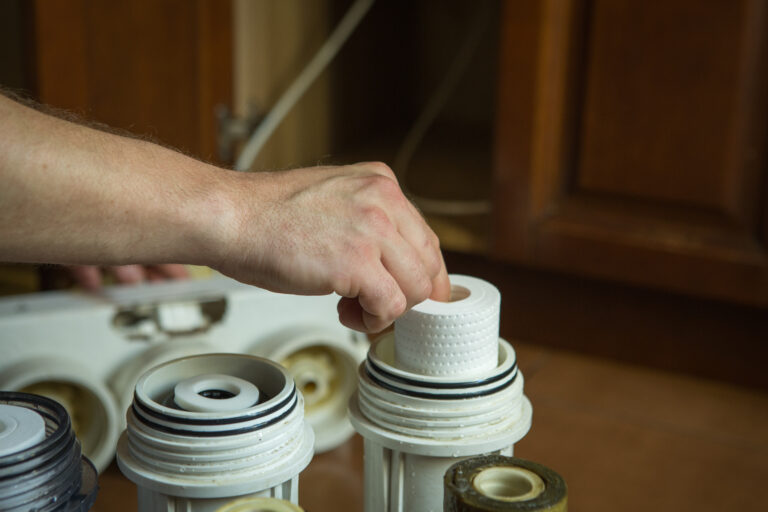
2. Cartridge Sediment Filters
- Replacement frequency: Every 2 to 6 months, depending on sediment levels and filter micron size.
- Maintenance: Check the filter monthly for clogging and reduced water pressure. A heavily used filter may need replacement sooner.
3. Whole-House Sediment Filtration Systems
- Replacement frequency: Varies by system. Some filters last up to a year, while others require replacement every 6 months.
- Maintenance: Regular system checks ensure optimal performance. Some systems have indicator lights or pressure gauges that signal when a filter change is needed.
4. Backwashing Sediment Filters
- Replacement frequency: Typically lasts several years before media replacement is needed.
- Maintenance: Minimal; the system automatically flushes out sediment during the backwash cycle.
5. Settling Tanks
- Replacement frequency: No filter to replace, but the tank should be cleaned periodically to prevent buildup.
- Maintenance: Sediment should be drained as needed to maintain efficiency.
Signs That Your Sediment Filter Needs Replacement
If you’re unsure whether it’s time to change your sediment filter, look for these warning signs:
- Reduced water pressure throughout the home
- Cloudy or gritty water coming from faucets
- A noticeable change in water taste or odor
- A filter cartridge that looks discolored or clogged
For homeowners in Bucks County, staying proactive about how to filter sediment from well water ensures clean, safe water year-round. Regular filter maintenance will not only improve water quality but also protect your plumbing and appliances from sediment buildup.
Keep Your Well Water Clean with the Right Sediment Filtration
Dealing with sediment in your well water can be frustrating, but with the right filtration system and maintenance routine, you can enjoy clean, safe water in your home. Whether your well is pulling in sand, silt, or fine particles, knowing how to filter sediment from well water is key to protecting your plumbing, appliances, and overall water quality.
If you’re unsure which sediment filter for well water in Bucks County is best for your home, or if you need professional guidance on installation and maintenance, Water Logix is here to help. We specialize in well water filtration solutions tailored to local water conditions, ensuring your household has access to the purest water possible.
Don’t wait until sediment buildup causes plumbing issues or impacts your drinking water. Contact Water Logix today for expert recommendations, professional installation, and ongoing support for your well water system.