If you rely on a private well for your household’s drinking water, ensuring its safety is essential. One of the most common concerns for well owners is coliform bacteria contamination. But exactly what is coliform bacteria in well water, and why does it matter?
For homeowners in Bucks County, PA, understanding what is coliform bacteria in well water is the first step toward protecting their family’s health. In this guide, we’ll explain what coliform bacteria are, how common they are in well water, how to test for them, and, most importantly, how to treat coliform bacteria in well water if contamination is detected.
What Is Coliform Bacteria in Well Water?
When homeowners ask, what is coliform bacteria in well water, they’re referring to a broad category of bacteria that naturally exist in the environment. These bacteria are commonly found in soil, plants, and surface water, but they can also appear in well water due to contamination.
Coliform bacteria are generally divided into three groups:
- Total Coliform – Found in soil and water; usually harmless but indicates potential contamination.
- Fecal Coliform – A subset of total coliform that originates from animal or human waste.
- E. coli – A specific type of fecal coliform; certain strains can cause serious illness.
If coliform bacteria are present in well water, it doesn’t automatically mean your water is unsafe. However, their presence suggests that your well may be vulnerable to contamination from sources like sewage leaks, animal waste, or agricultural runoff. This is why regular testing is so important—coliform bacteria act as a warning sign of potential pathogens that could pose health risks.
How Common Is Total Coliform in Well Water?
If you own a private well in Bucks County, PA, you might wonder just how often total coliform bacteria show up in water tests. The reality is that coliform bacteria are one of the most frequently detected contaminants in private wells—but their presence doesn’t always mean your water is unsafe to drink.
Why Is Coliform Bacteria Common in Well Water?
Several factors contribute to the presence of coliform bacteria in well water, including:
- Well Construction Issues – Older wells or wells with damaged seals and casing can allow surface water to seep in.
- Heavy Rainfall & Flooding – Excess rain can carry bacteria from soil, septic systems, or nearby farms into private wells.
- Septic System Leaks – Poorly maintained or aging septic systems can introduce bacteria into groundwater.
- Agricultural & Animal Waste Runoff – Farms, livestock, and even wildlife can contribute to bacterial contamination, especially in rural areas.
How Often Do Private Wells Test Positive for Coliform?
Studies show that up to 40% of private wells in certain regions test positive for total coliform at some point. In Bucks County, PA, where many homes rely on wells, it’s not uncommon for homeowners to discover coliform bacteria during routine testing.
While total coliform bacteria themselves may not be dangerous, they serve as a red flag for possible contamination. If a test detects fecal coliform or E. coli, immediate action is required, as these bacteria indicate a high likelihood of harmful pathogens in the water.
Since total coliform bacteria are so common, regular testing and proper well maintenance are the best ways to keep your drinking water safe. If coliform bacteria are detected, the next step is knowing how to treat coliform bacteria in well water—let me know when you’re ready to move on!
How Do You Treat Coliform Bacteria in Well Water?
If a water test detects coliform bacteria, the next step is knowing how to treat coliform bacteria in well water effectively. Treatment depends on the severity of contamination, but the goal is always the same—eliminating bacteria and preventing future contamination.
1. Shock Chlorination
One of the most common methods to treat coliform bacteria in well water is shock chlorination, which involves adding a high concentration of chlorine to the well to kill bacteria. Here’s how it works:
- Turn off the well pump and remove any filters before starting.
- Add chlorine (household bleach or well sanitizing tablets) to the well, making sure it reaches all parts of the system.
- Circulate the water by running taps until you smell chlorine at each fixture.
- Let the chlorine sit in the system for at least 12–24 hours.
- Flush the system thoroughly until no chlorine odor remains.
This method is effective for short-term disinfection, but if coliform bacteria return after treatment, it may indicate a deeper issue that requires additional steps.
2. Continuous Disinfection Systems
For persistent bacterial contamination, a continuous disinfection system may be necessary. These systems provide long-term protection against coliform bacteria by killing microorganisms as water enters your home. Options include:
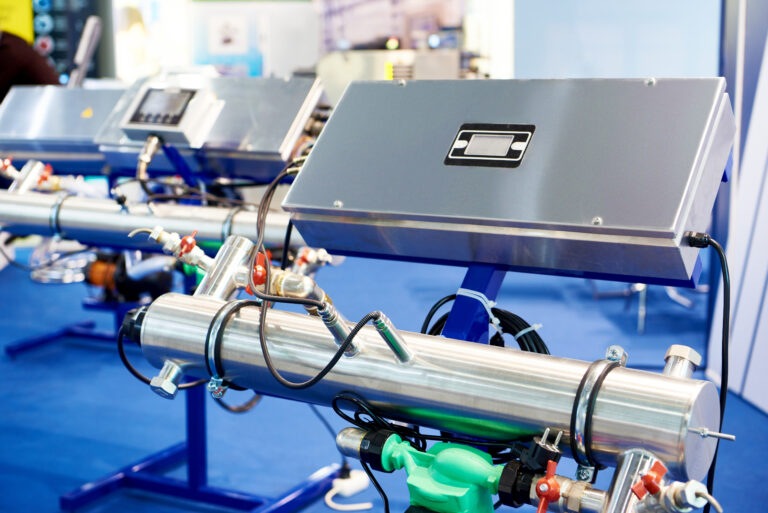
- UV Water Purifiers – Use ultraviolet light to destroy bacteria without chemicals.
- Chlorination Systems – Automatically add small amounts of chlorine to disinfect water.
- Ozone Treatment – Uses ozone gas to kill bacteria and viruses.
UV purification is a popular choice in Bucks County since it provides chemical-free, on-demand disinfection while keeping water safe for drinking and cooking.
3. Identifying and Fixing the Source of Contamination
If coliform bacteria keep returning, it’s crucial to find out where they’re coming from. Consider:
- Inspecting the well cap and casing for cracks or openings.
- Checking for nearby septic system leaks that could be contaminating groundwater.
- Improving well drainage to prevent surface water from entering.
- Relocating livestock or agricultural activities away from the well.
Simply treating the water isn’t enough if the contamination source isn’t addressed. A licensed well contractor can help diagnose and fix structural issues to keep bacteria out of your well for good.
Now that we’ve covered how to treat coliform bacteria in well water, let’s move on to testing—because knowing how to detect contamination is just as important as treating it.
How to Test for Coliform Bacteria in Water
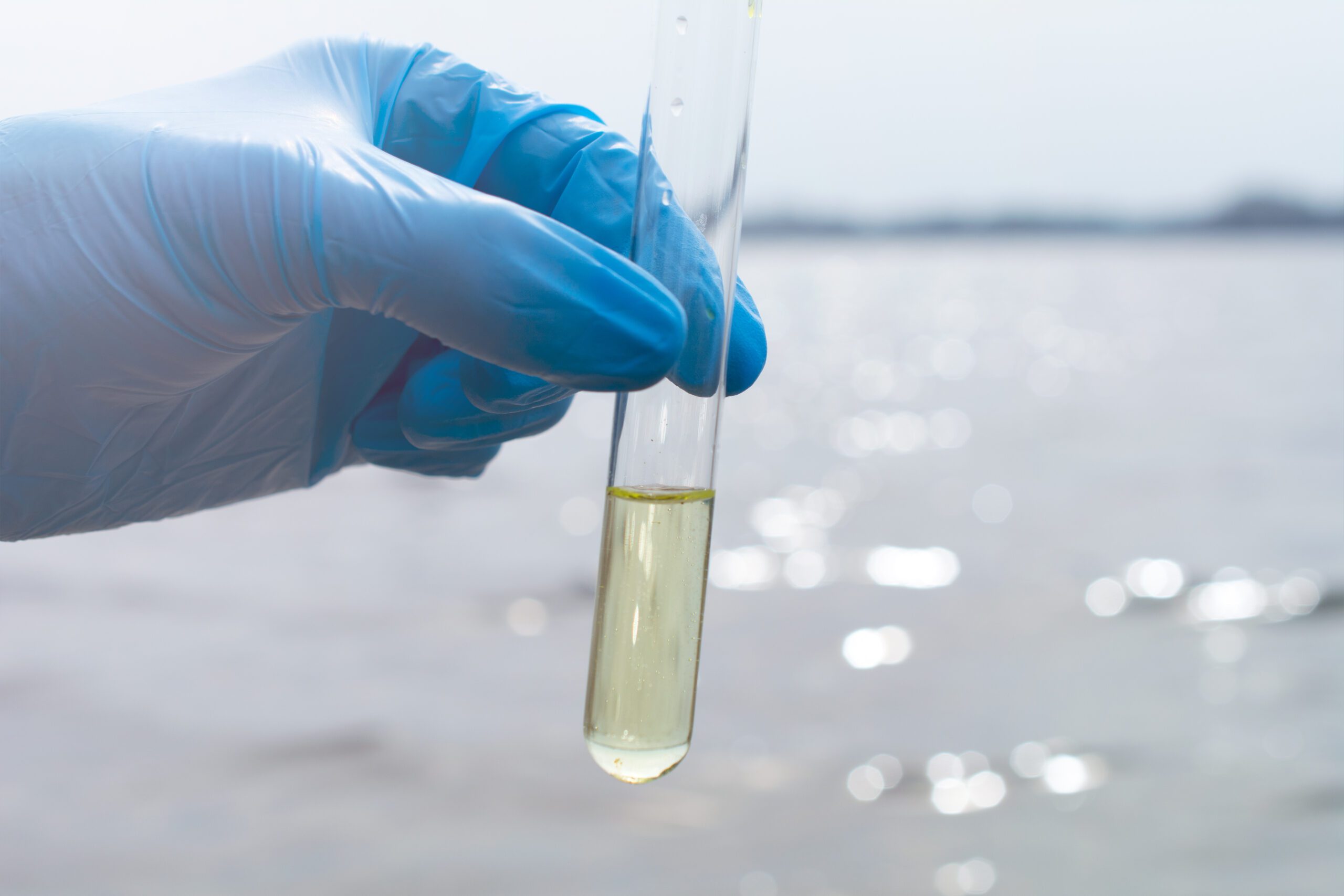
Testing is the only way to know if coliform bacteria are present in your well. Since coliform bacteria are invisible, odorless, and tasteless, routine testing is crucial for ensuring your water remains safe.
1. When Should You Test Your Well Water?
Experts recommend testing at least once a year for total coliform bacteria. However, you should also test your water if:
- You notice changes in taste, smell, or color.
- There has been heavy rain, flooding, or a nearby sewage issue.
- Someone in your household has unexplained stomach issues.
- You recently had well repairs or maintenance.
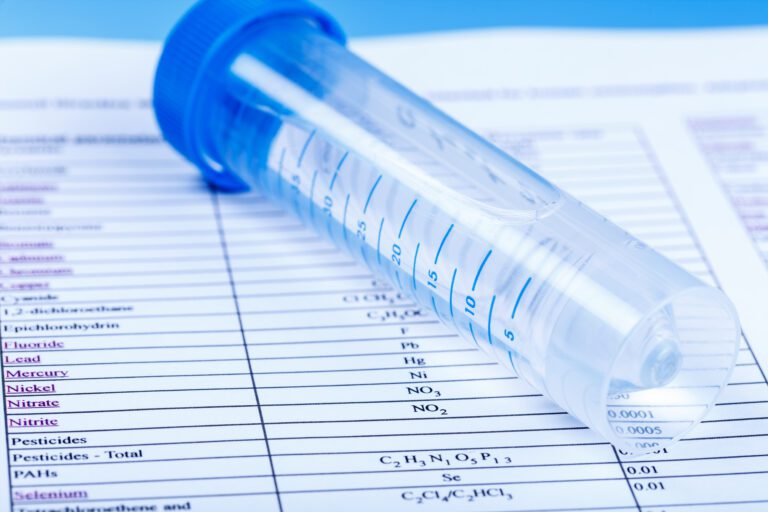
2. How to Collect a Water Sample for Testing
To get accurate results, follow these steps when collecting a sample:
- Use a certified lab-provided container – Do not use a random bottle; labs provide sterile containers.
- Choose a clean faucet – Avoid sampling from hoses or taps with aerators (use a kitchen or bathroom tap).
- Let the water run for at least 2–3 minutes before collecting.
- Avoid touching the inside of the bottle or cap to prevent contamination.
- Deliver the sample to a certified lab within the recommended time (usually within 24 hours).
3. Why Choose Water-Logix for Well Water Testing?
We specialize in accurate, professional well water testing for homeowners throughout Bucks County. With our local expertise, we understand the common water quality challenges in the area and provide personalized solutions to keep your water safe.
If you suspect coliform bacteria in your well or need routine testing, contact Water-Logix today for a professional water test.
What Happens if You Drink Water with Coliform Bacteria?
If a water test detects coliform bacteria, the next concern is whether the water is safe to drink. The answer depends on the type of coliform bacteria found and whether harmful pathogens are present.
1. Total Coliform Bacteria: A Warning Sign
Total coliform bacteria themselves are not necessarily dangerous, but their presence in well water suggests that your well may be vulnerable to contamination from harmful sources like sewage, animal waste, or agricultural runoff.
2. Fecal Coliform and E. coli: A Serious Health Risk
If fecal coliform or E. coli bacteria are detected, it means the water has likely been contaminated by human or animal waste, posing a serious health risk. Drinking water with fecal coliform or E. coli can cause:
- Gastrointestinal illnesses (nausea, vomiting, diarrhea, stomach cramps)
- Fever and dehydration
- Infections, especially in infants, elderly individuals, or those with weakened immune systems
The Centers for Disease Control and Prevention (CDC) warns that drinking water contaminated with E. coli can lead to serious bacterial infections, including kidney damage in extreme cases.
3. What to Do If You’ve Been Drinking Contaminated Water
If you discover coliform bacteria in your well water and you’ve been drinking it, take these steps:
- Stop drinking the water immediately – Use bottled water or boil water before consuming.
- Monitor for symptoms – If anyone in your household experiences stomach issues or illness, seek medical attention.
- Schedule professional testing and treatment – Water-Logix can help identify the contamination source and recommend the best treatment.
The safest approach is to act quickly and take preventative steps to ensure your well water is properly treated.
Coliform Bacteria Treatment in Bucks County
If coliform bacteria are detected in your well water, Water-Logix is here to help. As a trusted provider of well water testing and water filtration solutions in Bucks County, we ensure that homeowners have access to clean, safe drinking water.
1. Professional Well Water Testing
The first step in addressing coliform bacteria is accurate testing. Water-Logix provides certified well water testing services to identify whether total coliform, fecal coliform, or E. coli are present in your water supply. Our tests deliver clear, reliable results, giving you the information you need to take action.
2. Water Filtration Systems for Safe Drinking Water
If your water test reveals contamination, we offer advanced filtration solutions to help improve water quality:
- UV Water Purification Systems – An effective, chemical-free solution that destroys coliform bacteria and other harmful microorganisms in your well water.
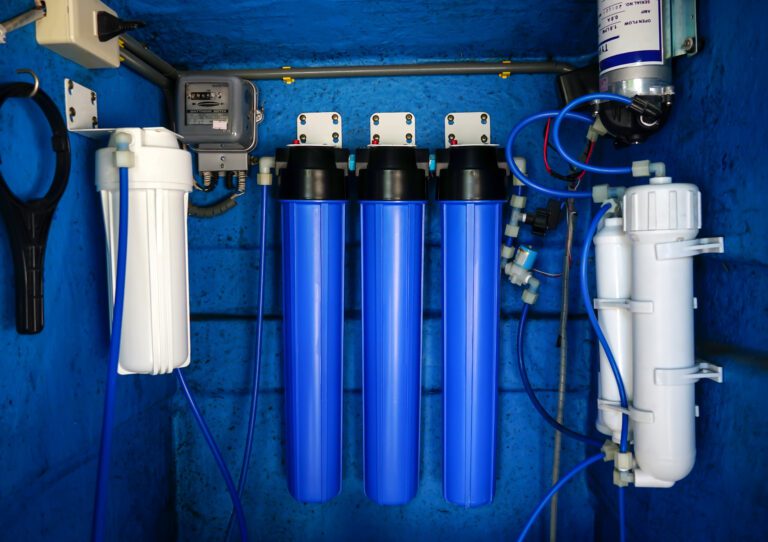
- Whole-House Water Filtration Systems – Removes sediment, bacteria, and contaminants to protect your entire home’s water supply.
- Reverse Osmosis Systems – Provides ultra-pure drinking water by filtering out bacteria, viruses, and other contaminants at the tap.
Our high-quality filtration systems ensure that your family has safe, bacteria-free water without the need for constant chemical treatments.
3. Why Choose Water-Logix?
We understand Bucks County’s water challenges and specialize in providing local homeowners with reliable water testing and treatment solutions. Here’s why people trust us:
✔ Certified water testing – Fast, accurate results from experienced professionals.
✔ Tailored filtration solutions – We help you choose the right system for your home’s specific water quality needs.
✔ Reliable, long-term protection – Our filtration systems provide continuous water safety without the hassle.
Schedule Your Well Water Test in Bucks County Today!
If you suspect coliform bacteria in your well or want peace of mind with routine testing, Water-Logix is ready to help. Contact us today to schedule your well water test and explore our trusted water filtration solutions for Bucks County homeowners.