

If you’ve ever turned on your faucet and been hit with the unmistakable odor of rotten eggs, you’re not alone. Many homeowners in Pennsylvania struggle with well water that has a sulfur smell. This can make drinking, cooking, and even showering unpleasant. Fortunately, there are effective solutions to eliminate the odor and improve the quality of your water.
At Water-Logix, we understand how important it is to have clean, fresh water for your home. That’s why we’re here to guide you through why this happens, whether it’s safe, and—most importantly—how to eliminate sulfur smell from well water.
Why Does Well Water Have a Sulfur Smell?
The rotten egg smell in well water comes from hydrogen sulfide (H₂S) gas, a naturally occurring compound that can be present in groundwater. There are a few key reasons why this happens, especially in Pennsylvania’s well systems:
1. Naturally Occurring Sulfur Bacteria
- Sulfate-reducing bacteria thrive in oxygen-poor environments, like deep wells, plumbing systems, and water heaters.
- These bacteria break down sulfates in the water, producing hydrogen sulfide gas as a byproduct.
2. Decaying Organic Matter
- Wells in rural and wooded areas, common in Bucks County, can accumulate organic debris.
- As plant material and microbes break down, they release hydrogen sulfide into the groundwater.
3. Chemical Reactions in the Water Heater
- If your hot water smells worse than your cold water, your water heater might be the culprit.
- Magnesium or aluminum anode rods inside water heaters can react with naturally occurring sulfate, producing hydrogen sulfide.
4. Well Contamination
- If your well is shallow or improperly sealed, surface water contamination can introduce organic matter and bacteria that create sulfur smells.
- In some cases, runoff from farms, septic systems, or industrial areas can contribute to the issue.
Knowing why your well water smells like sulfur is the first step in finding the right solution. But is it safe to drink? Let’s discuss.
Can I Drink My Water If It Smells Like Sulfur?
If you notice a sulfur smell coming from your well water, you might be wondering if it’s still safe to drink. The short answer? It depends on the source and concentration of hydrogen sulfide in your water.
When It’s Generally Safe
- Low Levels of Hydrogen Sulfide: If the sulfur smell is mild and only noticeable when running hot water, it’s often due to a reaction in your water heater. In these cases, the water is typically safe to drink.
- No Other Contaminants Present: If well water testing confirms that hydrogen sulfide is the only issue and there are no harmful bacteria or metals, drinking it is more of a nuisance than a health risk.
When It’s a Concern
- High Concentrations of Hydrogen Sulfide: Levels above 0.5 parts per million (ppm) can cause digestive upset and dehydration.
- Possible Bacterial Contamination: Sulfur bacteria often thrive in the same environments as other harmful bacteria, like E. coli or coliform bacteria. If your water has a persistent odor, it’s crucial to test for contaminants.
- Corrosion of Plumbing: Hydrogen sulfide is highly corrosive and can damage pipes, plumbing fixtures, and even appliances over time. If your well water has a strong sulfur smell, it could indicate high acidity or excess minerals that need to be treated.
What to Do
Before assuming your water is safe, it’s best to get a professional well water test. At Water-Logix, we offer well water filtration in PA to help homeowners identify and resolve sulfur-related issues.
Is Sulfur in Well Water Harmful?
If your well water has a noticeable sulfur smell, you might wonder whether it poses any health risks. In most cases, low levels of hydrogen sulfide (H₂S) gas in water are not directly harmful to human health—but that doesn’t mean it should be ignored.
Potential Health Effects of Sulfur in Well Water
- Digestive Issues: Drinking water with high hydrogen sulfide levels (above 0.5 ppm) can cause nausea, diarrhea, or dehydration, particularly in young children and elderly individuals.
- Respiratory Irritation: In enclosed spaces, such as basements or well houses, high concentrations of hydrogen sulfide gas can cause headaches, dizziness, or irritation to the respiratory system.
- Skin and Hair Effects: While not toxic, showering in sulfur water may lead to dry skin, brittle hair, or a lingering odor after bathing.
The Bigger Concern: Secondary Contaminants
Sulfur bacteria often coexist with other contaminants, such as:
- Iron and manganese – which can stain plumbing and fixtures.
- Coliform bacteria – an indicator of potential fecal contamination.
- Methane gas – which may cause additional safety hazards in high concentrations.
Since these contaminants are common in Pennsylvania’s well water, it’s important to test your water before assuming it’s safe. If the odor is persistent, you’ll need to know how to eliminate sulfur smell from well water effectively.
Is It Okay to Shower in Sulfur-Smelling Water?
Showering in well water that smells like sulfur is usually safe, but it can be an unpleasant experience. The rotten egg odor can linger on your skin and hair, and in some cases, high concentrations of hydrogen sulfide gas can cause minor irritation.
Effects of Showering in Sulfur Water
- Skin and Hair Dryness: Hydrogen sulfide can strip moisture from your skin and hair, leaving them feeling dry or brittle.
- Lingering Odor: The smell of sulfur can cling to your body, towels, and even bathroom surfaces.
- Respiratory Irritation: In a poorly ventilated bathroom, high levels of hydrogen sulfide gas can cause mild headaches, dizziness, or eye irritation.
- Staining on Fixtures: Sulfur water often contains iron and other minerals, which can stain sinks, tubs, and showers with yellow or black discoloration over time.
How to Eliminate Sulfur Smell from Well Water
If you’re dealing with a persistent rotten egg odor, you’re probably wondering how to eliminate sulfur smell from well water for good. The solution depends on the source and severity of the hydrogen sulfide in your water. Here are the most effective methods used for well water filtration in PA.
1. Test Your Water First
Before choosing a treatment method, it’s essential to identify the source of the sulfur smell. A comprehensive well water test will measure:
- Hydrogen sulfide concentration (to determine the severity of the odor)
- Presence of sulfur bacteria
- Iron and manganese levels
- Possible contamination from coliform bacteria or other pollutants
2. Shock Chlorination for Bacteria-Related Odors
If sulfur bacteria are the cause, a shock chlorination treatment can disinfect your well and eliminate the bacteria producing hydrogen sulfide.
- This process involves adding a high dose of chlorine bleach to the well, letting it circulate, and flushing the system thoroughly.
- While effective, this is a temporary solution, and bacteria may return unless a continuous disinfection system is installed.
3. Aeration Systems for Gas Removal
Aeration is one of the most effective ways to eliminate hydrogen sulfide gas from well water.
- How it works: Air is injected into the water, forcing the gas to escape before the water enters your home.
- Best for: Moderate sulfur levels (1-2 ppm) with no bacterial contamination.
- Pros: Chemical-free, low maintenance, and effective for removing gas odors.
4. Oxidizing Filters for Persistent Sulfur Smells
For more severe cases, installing a filtration system designed for sulfur removal is the best long-term solution.
- Manganese Greensand Filters: Use a potassium permanganate solution to oxidize hydrogen sulfide, which is then filtered out.
- Catalytic Carbon Filters: Absorb sulfur compounds while also improving taste and odor.
- Iron Filters: Remove both iron and sulfur, preventing staining and odor issues.
5. Hydrogen Peroxide Injection for High Sulfur Levels
For severe hydrogen sulfide levels (over 6 ppm), a hydrogen peroxide injection system is a reliable solution.
- Hydrogen peroxide rapidly oxidizes sulfur compounds, neutralizing odors instantly.
- It works better than chlorine, leaving no chemical taste behind.
- Often combined with a carbon filter for complete removal.
6. Water Heater Adjustments
If the sulfur smell is only present in hot water, the issue might be in your water heater.
- Replacing the magnesium anode rod with an aluminum-zinc rod can reduce sulfur smells.
- Flushing the heater and disinfecting the tank can also help.
By choosing the right treatment method, you can completely eliminate sulfur smells from well water and ensure your home has clean, odor-free water year-round. But how long does it take to get rid of the odor once you start treatment? Let’s discuss.
How Long Does It Take to Get Sulfur Smell Out of Water?
The time it takes to eliminate sulfur smell from well water depends on the treatment method used and the severity of the issue. Some solutions provide near-instant results, while others take a few days to fully remove the odor.
Immediate Solutions (Same Day to 48 Hours)
- Shock Chlorination: If the smell is caused by sulfur bacteria, shock chlorination can eliminate the odor within 24-48 hours after flushing the system. However, the bacteria may return over time if preventive measures aren’t taken.
- Water Heater Adjustment: If the sulfur smell is only in your hot water, replacing the anode rod in your water heater can eliminate the odor immediately or within a few days after installation.
Moderate Solutions (1-2 Days to a Week)
- Aeration Systems: Once installed, an aeration system can start reducing hydrogen sulfide odor within a day, but the water may take up to a week to fully clear, depending on water usage.
- Oxidizing Filters (Greensand or Catalytic Carbon Filters): These filters work as soon as the system is installed, eliminating sulfur smell from well water immediately as it passes through the filter.
However, some water systems may need a few days to fully cycle out any remaining untreated water.
Moderate Solutions (1-2 Days to a Week)
- Aeration Systems: Once installed, an aeration system can start reducing hydrogen sulfide odor within a day, but the water may take up to a week to fully clear, depending on water usage.
- Oxidizing Filters (Greensand or Catalytic Carbon Filters): These filters work as soon as the system is installed, eliminating sulfur smell from well water immediately as it passes through the filter.
Long-Term Solutions (Ongoing, Permanent Fixes)
- Continuous Chlorination + Filtration: For homes with persistent sulfur smells, a continuous chlorination system combined with a filtration unit ensures constant protection against sulfur bacteria and hydrogen sulfide gas.
These systems provide long-term odor removal and improve overall water quality.
- Hydrogen Peroxide Injection Systems: This advanced treatment oxidizes sulfur compounds instantly and works better than chlorine with no chemical taste.
At Water-Logix, we offer customized filtration setups that integrate hydrogen peroxide treatment for severe sulfur odor issues.
- Regular Well Maintenance & Prevention: Keeping your well sealed, testing water regularly, and using a properly designed filtration system ensures sulfur odors don’t return.
Water-Logix provides comprehensive well water testing and maintenance to help homeowners in Pennsylvania keep their water safe and odor-free.
For those dealing with persistent well water sulfur smells in PA, the best approach is a customized filtration system.
What Is the Best Filter for Sulfur Water?
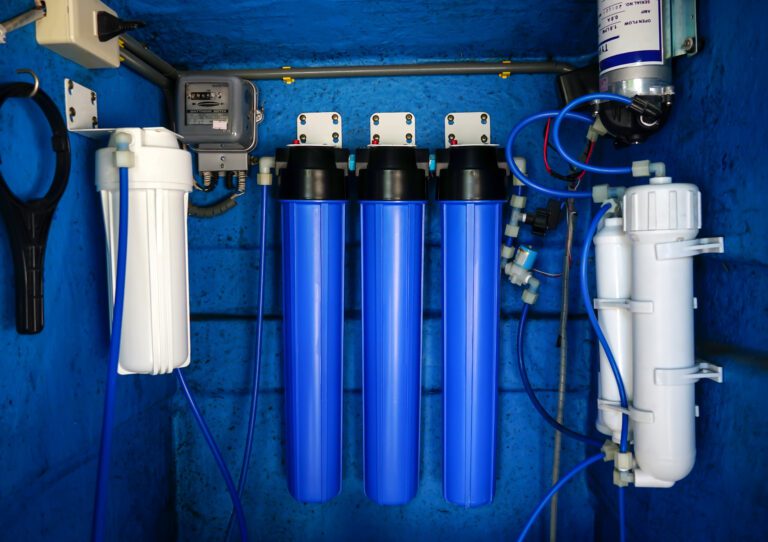
Choosing the right filtration system is key to eliminate sulfur smell from well water effectively. The best filter depends on the concentration of hydrogen sulfide gas, the presence of sulfur bacteria, and other minerals like iron and manganese.
1. Oxidizing Filters (Best for Mild to Moderate Sulfur Smell)
- Manganese Greensand Filters: Uses potassium permanganate to oxidize and remove hydrogen sulfide, iron, and manganese. Best for sulfur levels between 1-5 ppm.
- Catalytic Carbon Filters: Absorbs hydrogen sulfide gas while also improving taste and odor. Ideal for homeowners who want a chemical-free solution. Works well when combined with an aeration system.
2. Aeration Systems (Best for Moderate Sulfur Smell Without Bacteria)
- Air injection systems introduce oxygen into the water, which forces hydrogen sulfide gas to escape before the water enters your home.
- Works best for sulfur levels up to 2 ppm.
- Chemical-free, making it a low-maintenance option.
3. Continuous Chlorination Systems (Best for Sulfur Bacteria & High Sulfur Levels)
If sulfur bacteria are the cause of the odor, an ongoing chlorination system is needed to prevent bacterial regrowth.
Chlorine reacts with hydrogen sulfide, neutralizing the smell and killing bacteria at the source.
Works best for homes with high sulfur content (above 6 ppm) or recurring bacterial contamination.
The best way to remove sulfur smells from well water depends on your water’s specific chemistry. At Water-Logix, we provide tailored filtration solutions to ensure your home has clean, fresh water—free of unpleasant odors.
If you’re experiencing sulfur-smelling well water in Bucks County, contact us today for a custom water test and expert consultation.