
Access to clean, safe drinking water is essential for every household, especially those relying on private wells. Unlike municipal water systems, private wells are not regulated by public health agencies, meaning homeowners must take responsibility for testing and purifying their own water.
In this guide, we’ll cover:
- How to tell if your well water is safe to drink
- How to purify well water for drinking
- How to maintain your well water filtration system
Let’s begin by understanding how to determine if your well water is safe.
How to Tell If Well Water Is Safe to Drink
Before you think about how to purify well water for drinking, the first step is testing to know what’s in your water. Well water can contain contaminants that affect taste, odor, and, most importantly, safety.
1. Signs Your Well Water May Be Unsafe
Even without lab testing, certain signs may indicate contamination:
- Cloudy or Discolored Water – May indicate sediment, iron, or bacterial contamination.
- Unpleasant Odors – A rotten egg smell could signal hydrogen sulfide, while a chlorine-like smell might indicate chemical contamination.
- Metallic or Bitter Taste – Could be a sign of high iron, manganese, or lead levels.
- Slimy Buildup on Fixtures – Might indicate bacterial growth.
2. Recommended Well Water Testing
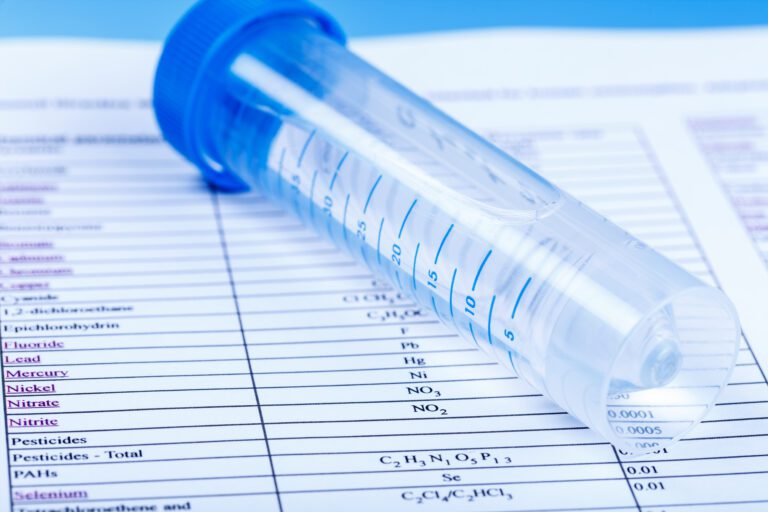
The only way to truly know if your water is safe is through regular well water testing. Experts recommend:
- Annual Testing – At a minimum, test once a year for bacteria (like coliform and E. coli), nitrates, and pH levels.
- After Major Weather Events – Flooding or heavy rainfall can introduce contaminants into your well.
- If There’s a Change in Water Quality – If your water suddenly smells, tastes, or looks different, test it immediately.
3. Where to Get Well Water Tested in Bucks County, PA
- Local Health Departments – Bucks County Health Department offers guidance on well water testing.
- Certified Labs – Pennsylvania has accredited water testing laboratories that provide detailed reports.
- Professional Well Services – Companies like Water-Logix specialize in well water testing and purification, ensuring your water meets safe drinking standards.
For homeowners in Bucks County, PA, professional well water testing is the best way to get accurate results. Once you know what’s in your water, you can move forward with how to purify well water for drinking effectively.
How to Purify Well Water for Drinking
If you rely on a private well for your home’s water supply, keeping it safe for drinking is a top priority. Even if your water looks clear and tastes fine, it can still contain bacteria, chemicals, or other contaminants that could pose health risks. Fortunately, there are several reliable ways to purify well water and make sure it’s safe for you and your family.
Here’s a breakdown of the most effective purification methods:
1. Filtration Systems – A Must-Have for Well Owners
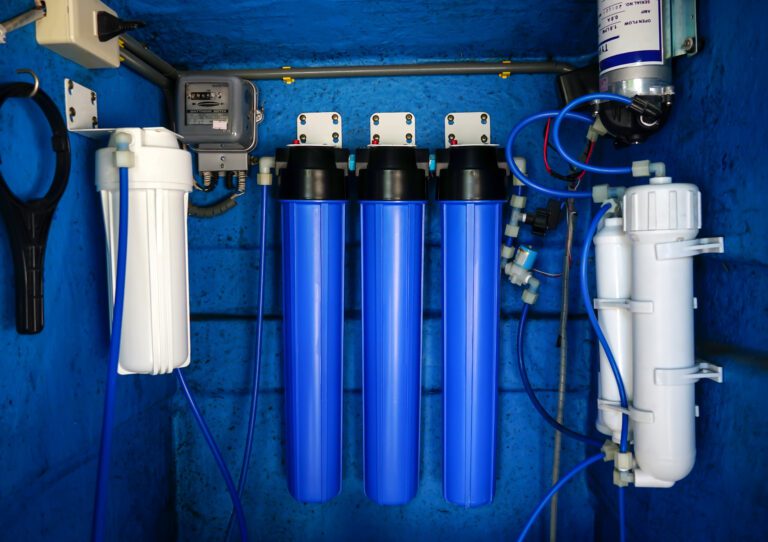
A well water filtration system is one of the most effective ways to remove contaminants before they reach your tap. Depending on what’s in your water, you may need:
- Sediment Filters – To remove dirt, rust, and particles that can make your water cloudy.
- Carbon Filters – Great for eliminating chlorine, pesticides, and odors.
- Reverse Osmosis (RO) Systems – One of the most thorough filtration methods, removing nitrates, heavy metals, and even some bacteria.
For many homeowners in Bucks County, a combination of these filters works best. If your well water has high iron levels, for example, an iron filtration system may be necessary to prevent staining and buildup in your plumbing.
2. UV Purification – Killing Bacteria Without Chemicals
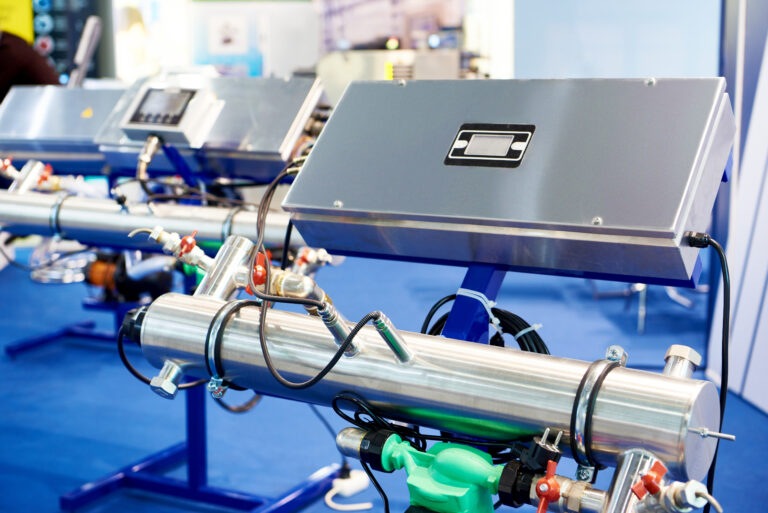
If bacteria or viruses are a concern, a UV water purifier is an excellent solution. This system uses ultraviolet light to destroy harmful microorganisms without adding chemicals to your water. It’s:
- Highly effective – Eliminates bacteria like E. coli, viruses, and parasites.
- Low maintenance – Just requires an annual bulb replacement.
- Environmentally friendly – No chemicals, no taste changes, just clean water.
UV purification is a great option if your well has tested positive for bacteria or if you just want peace of mind.
3. Chlorination – A Powerful Disinfection Method
Shocking your well with chlorine (also known as shock chlorination) is a common way to disinfect water after flooding or contamination. It’s effective for killing bacteria, but it’s not a long-term solution unless you install a chlorination system that continuously treats the water.
Some people don’t love the idea of chlorine in their drinking water, but if used correctly and followed by a filtration system, it can be a safe and effective method.
Choosing the Right Purification Method
The best way to purify well water depends on what’s in it. That’s why testing your water first is key—once you know what contaminants you’re dealing with, you can choose the right system.
For most well owners in Bucks County, a combination of filtration and UV purification works best for ensuring safe, great-tasting drinking water.
Next up, we’ll talk about how to maintain your well water filtration system so it keeps working effectively.
How to Maintain Your Well Water Filter System
Installing a water filtration system is a great step toward safe drinking water, but regular maintenance is just as important. Without proper care, filters can clog, UV bulbs can lose effectiveness, and contaminants can start slipping through.
Here’s how to keep your well water system running smoothly:
1. Change Your Filters on Schedule
Most filtration systems use replaceable filters that trap sediment, bacteria, or chemicals. Over time, these filters get clogged, reducing their effectiveness and even causing pressure drops in your water flow.
- Sediment filters – Typically need replacing every 3 to 6 months, depending on your water quality.
- Carbon filters – Usually last 6 to 12 months, but check manufacturer recommendations.
- Reverse osmosis (RO) membranes – Last 2 to 3 years, but pre-filters may need replacing sooner.
A simple rule: If you notice a change in water pressure or taste, it’s time to check your filters.
2. Maintain Your UV Water Purifier
If you’re using a UV water purifier, regular maintenance ensures it keeps killing bacteria effectively. Key steps include:
- Replace the UV bulb once a year – Even if the light is still on, its effectiveness diminishes over time.
- Clean the quartz sleeve every 6 months – Mineral buildup can block the UV light, reducing its ability to disinfect water.
- Check for alarms or warning lights – Many UV systems have an indicator to alert you if the system isn’t working properly.
UV purification is low maintenance, but skipping these steps can make it ineffective.
3. Shock Your Well Annually (If Needed)
If your well has been contaminated in the past, or if you’re dealing with bacterial growth, shock chlorination may be necessary. This process involves temporarily treating your well with chlorine to kill bacteria. However, it’s best done by professionals to ensure proper dosing and flushing.
4. Inspect Your Well and System Regularly
Regular inspections help catch issues before they become major problems. At least once a year, check:
- Your well cap and casing – Make sure there are no cracks or openings where contaminants could enter.
- Water pressure and flow rate – A sudden drop could indicate a clogged filter or an issue with the well pump.
- Signs of staining or odors – This could be a clue that your filtration system needs adjusting or servicing.
5. Schedule Professional Well Water Testing and Maintenance
Even with a great filtration system, it’s important to test your well water annually to ensure everything is working as it should. Some contaminants—like nitrates or arsenic—may not cause immediate changes in taste or smell, so regular testing is the only way to know for sure.
At Water-Logix, we specialize in how to purify well water for drinking so you never have to worry about water safety again. Whether you need:
✔ Professional well water testing to identify contaminants
✔ High-quality filtration systems tailored to your needs
✔ UV purification systems to eliminate bacteria
✔ Ongoing maintenance and filter replacements
We’ve got you covered! Homeowners in Bucks County, PA, trust Water-Logix for reliable, safe, and clean drinking water solutions.