

If your home relies on well water, keeping it clean and safe is likely always a priority. One of the most effective ways to protect your water from bacteria, unpleasant odors, and other contaminants is with a chlorination system for well water in Bucks County. A well water chlorinator not only maintains water quality but also provides peace of mind, knowing your family has safe, reliable water for drinking and daily use.
In this article, we’ll cover everything you need to know about chlorination systems—what they are, how they work, whether they’re safe, and how to tell if your well could benefit from one.
What is a Chlorination System for Well Water?
A chlorination system for well water is a water treatment method designed to disinfect and purify your well water by introducing controlled amounts of chlorine. Chlorine is a powerful disinfectant that eliminates harmful bacteria, viruses, and other microorganisms, ensuring your water is safe for drinking, cooking, and other household uses.
Beyond killing germs, chlorination can also address other common well water issues like unpleasant odors (think sulfur or “rotten egg” smells), bad taste, and iron or manganese buildup, which can discolor water and stain your fixtures.
Chlorination systems are often tailored to meet the specific needs of homeowners based on their water quality. For instance, if your water has recurring bacterial contamination, persistent odors, or visible discoloration, a chlorinator may be exactly what you need to restore confidence in your water supply.
How Does a Chlorination System Work?
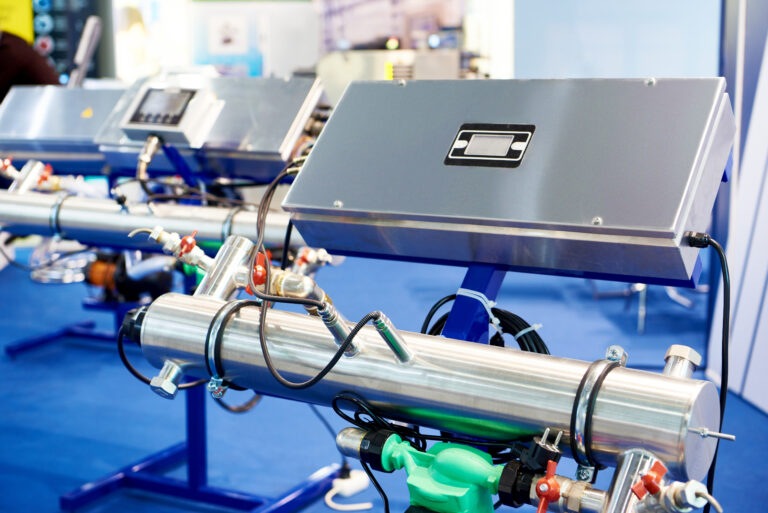
A chlorination system for well water works by adding a measured amount of chlorine into your water supply, either continuously or on-demand, depending on the system. Here’s a step-by-step look at how it typically operates:
- Injection of Chlorine: A chlorinator injects chlorine (usually in liquid or pellet form) into the well water as it’s pumped into your home. This process can occur at the well itself or through an inline system before the water enters your household plumbing.
- Contact Time: Once the chlorine is added, the water needs time to “sit” so the chlorine can disinfect it effectively. This is called the contact time, during which the chlorine neutralizes bacteria, viruses, and other harmful organisms.
- Oxidation: Chlorine also helps oxidize minerals like iron, manganese, and sulfur, turning them into solid particles that can be filtered out, leaving your water clearer and odor-free.
- Dechlorination (Optional): While some systems leave trace amounts of chlorine in the water for ongoing protection, others use a filtration system to remove any residual chlorine before the water reaches your taps, ensuring it’s tasteless and odorless.
- Distribution: Once treated, the water is distributed throughout your home for drinking, bathing, and other uses. The result is cleaner, safer water that meets your family’s needs.
Chlorination systems are customizable, so they can be adapted to the unique needs of your well and water supply. Whether you have persistent bacteria issues or just want fresher-tasting water, these systems are designed to make well water safe and worry-free.
Is a Chlorinator Good for Well Water?
Yes, a chlorinator is a fantastic option for treating well water, especially if you’re dealing with bacterial contamination, unpleasant odors, or issues like iron and sulfur. For homeowners in Bucks County, where many homes rely on private wells, a chlorination system can be a game-changer in maintaining water quality. It’s a proven, effective method to ensure your family has access to clean, safe water year-round.
Chlorinators are particularly helpful in areas like Bucks County, where groundwater can sometimes be affected by natural elements like minerals or bacteria due to the geology of the region. With a chlorinator, you can tackle common well water concerns, including:
- Eliminating harmful bacteria and viruses.
- Removing the “rotten egg” smell caused by hydrogen sulfide.
- Reducing staining caused by iron or manganese.
- Improving overall taste and clarity.
If you’re in Bucks County and wondering whether a chlorinator for well water is the right choice for your home, it’s worth getting a professional water test. At Water-Logix, we can evaluate your water and help you decide on the best system for your specific needs.
Is It Safe to Drink Chlorinated Well Water?
Yes, it is safe to drink chlorinated well water when the chlorination system is properly installed and maintained. In fact, using a chlorination system for well water in Bucks County can enhance the safety of your drinking water by eliminating harmful bacteria, viruses, and other pathogens that can cause serious health issues.
Chlorine has been used for decades as a reliable disinfectant in municipal water systems, and the same principle applies to well water. When used in the right amounts, chlorine effectively cleans your water without posing health risks. Here’s what to keep in mind:
- Proper Dosage: A properly calibrated system ensures that chlorine levels stay within safe ranges for human consumption, typically between 0.2 and 4 parts per million (ppm), as recommended by the Environmental Protection Agency (EPA).
- Residual Protection: The small amount of residual chlorine left in the water continues to protect against potential contamination as the water moves through your plumbing.
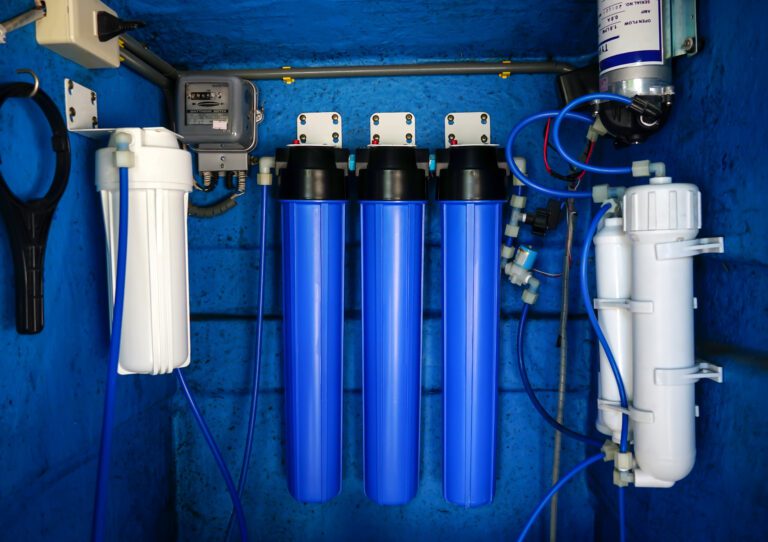
- Dechlorination Options: If you prefer not to have any chlorine taste or odor, you can add a post-treatment carbon filter to remove residual chlorine while still enjoying all the benefits of chlorination.
In Bucks County, where private wells are common, having a professionally installed and maintained chlorination system gives homeowners confidence that their water is both clean and safe.
How Long Should You Wait to Drink Water After You Chlorinate a Well?
After chlorinating your well, it’s crucial to allow enough time for the chlorine to work effectively and for the water to be safe to drink again. The waiting time can vary depending on the system and the level of chlorination performed.
If you’ve recently performed shock chlorination (a higher concentration of chlorine used to deeply disinfect your well), you’ll need to wait approximately 12-24 hours before using the water. During this time, avoid drinking, cooking, or bathing with the water until the chlorine levels have subsided.
After the waiting period, you’ll need to flush the system by running all faucets, showers, and other water outlets until the chlorine smell is gone. This process ensures that residual chlorine is removed and that the water is safe to use.
How Do You Know If Your Well Needs to Be Chlorinated?
Knowing when to chlorinate your well is key to maintaining clean, safe water. There are several signs and situations that indicate it might be time to consider a chlorination system for well water in Bucks County or perform shock chlorination:
Positive Bacteria Test
If a water test reveals the presence of bacteria like coliform or E. coli, it’s a clear sign your well needs chlorination. Routine water testing, which is especially important for Bucks County homeowners, can identify these issues early.
Unpleasant Odors or Tastes
If your water smells like rotten eggs (caused by hydrogen sulfide) or has a strange taste, a chlorinator can help eliminate these issues.
Cloudy or Discolored Water
Water that appears cloudy, has a rusty tint, or leaves stains on your fixtures or laundry is often caused by iron or manganese. Chlorination can oxidize and neutralize these minerals, improving the clarity and quality of your water.
Recent Well Maintenance or Repairs
If your well has recently been repaired, deepened, or had new components installed, it’s a good idea to chlorinate the system to prevent contamination during the process.
Flooding or Heavy Rainfall
In Bucks County, heavy rains or flooding can introduce surface contaminants into your well. Shock chlorination is a great way to restore water quality after such events.
Long Periods of Inactivity
If your well has been unused for an extended period, bacteria can build up in the system. Chlorinating the well before use ensures the water is safe.
Chlorination System for Well Water in Bucks County
If you’re a homeowner in Bucks County relying on well water, investing in a chlorination system for well water is one of the best ways to ensure your family has access to clean, safe, and great-tasting water. At Water-Logix, we understand the unique needs of Bucks County residents and are here to provide reliable, effective solutions tailored to your home’s water supply.
Why Choose Water-Logix for Your Chlorination System?
Expertise You Can Trust: With years of experience in water treatment, we know how to tackle common well water problems—whether it’s bacteria, strange smells, or other issues.
Solutions That Fit Your Home: Every well is different, so we design chlorination systems that match your specific water quality needs.
Local Knowledge: Bucks County’s groundwater can bring unique challenges, like iron stains or sulfur odors. We understand the area and can guide you to the system that works best for your home.
Support Every Step of the Way: From testing your water to installing your system, we’re here to make the process easy and worry-free.
If you’re in Bucks County and wondering whether a chlorination system is right for your home, don’t hesitate to reach out. At Water-Logix, our mission is simple: to help families like yours enjoy pure, reliable water every single day.