Knowing what to expect from a nearby water testing facility is crucial for maintaining the safety and purity of your water. Sometimes contaminants that influence taste, smell, and health can be found in municipal water systems as well as private wells. Frequent water testing can provide you with peace of mind and protect the health of your home by assisting you in addressing these problems early.
However, what does this process actually include, and how can you get ready for it? Let’s get started by going over all you should know about water testing and how a nearby lab may help.
What Tests Should Be Done on Water?
The first step in determining the quality of your water and resolving any possible problems is to test it. However, which particular tests should you ask for? Your water source, the local environment, and your own worries will all influence the response. When assessing the safety and quality of your water, take into account the following typical tests:
1. Bacteria and Microorganisms
Testing for harmful bacteria, such as E. coli and coliform bacteria, is critical, especially for private well owners. These contaminants can cause serious health issues, including gastrointestinal problems, if left undetected.
2. Nitrates and Nitrites
These are often present in agricultural areas where fertilizers are used or where septic systems may leach into groundwater. High levels of nitrates can pose health risks, especially for infants and pregnant women.
3. Hardness
Water hardness is determined by the levels of calcium and magnesium. While not harmful to health, hard water can cause scaling on fixtures, reduce the efficiency of appliances, and affect soap’s ability to lather.
4. pH Level
pH testing measures the acidity or alkalinity of your water. Water with a pH that is too low or too high can cause corrosion of pipes and affect the taste and usability of water.
5. Chlorine
For homes connected to municipal water supplies, chlorine testing is important to ensure levels remain safe. While chlorine is used to disinfect water, excessive levels can cause skin and eye irritation.
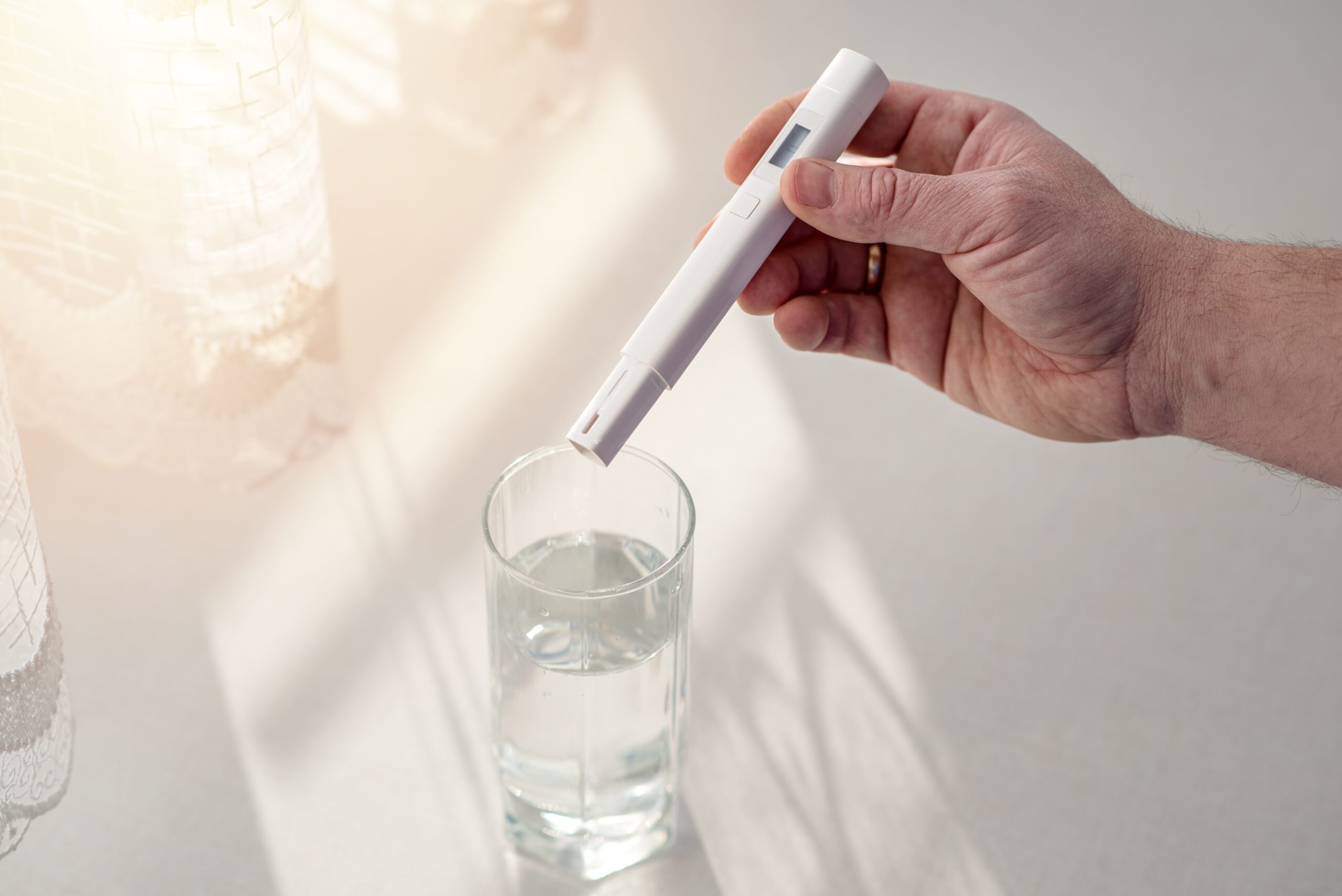
6. Total Dissolved Solids (TDS)
TDS measures the concentration of dissolved substances in your water, such as minerals, salts, and metals. High TDS can impact water taste and lead to scaling in pipes and appliances.
7. Iron and Manganese
Elevated levels of iron or manganese can cause staining on plumbing fixtures and laundry. Additionally, they may affect the taste and odor of your water.
8. Volatile Organic Compounds (VOCs)
If your home is near industrial areas or fuel storage sites, testing for VOCs is essential. These chemicals can contaminate groundwater and pose serious health risks.
9. Radon
In areas where radon is common, testing water for this naturally occurring radioactive gas is crucial, especially if you rely on well water.
10. Specialized Tests Based on Local Concerns
Depending on your location, additional tests may be recommended. For example, residents in agricultural areas might prioritize pesticide testing, while those in industrial zones may focus on heavy metals or VOCs.
By conducting a comprehensive suite of tests, you can better understand your water’s composition and take appropriate measures to address any issues. This is especially important for Bucks County residents, as local geological and environmental factors may influence water quality.
What Is the Most Common Water Test?
When working with a local water testing lab, one of the first things you’ll encounter is a variety of standard tests designed to assess the quality and safety of your water. Among these, some tests are more commonly requested due to their importance and the issues they address. Below are the tests most often conducted at a local water testing lab:
1. Bacteria Testing
The most commonly performed test at a local water testing lab is bacteria testing, particularly for coliform bacteria like E. coli. These bacteria serve as indicators of contamination from sewage or animal waste, making this test critical for ensuring water safety.
2. Hardness Testing
Water hardness tests are another frequent service provided by a local water testing lab. Hard water, caused by elevated levels of calcium and magnesium, can lead to scaling in pipes, reduce appliance efficiency, and affect daily activities like cleaning and bathing.
3. pH Level
Local water testing labs often perform pH testing to determine whether water is too acidic or alkaline. Maintaining a balanced pH is important to prevent pipe corrosion and ensure water is pleasant to drink.
4. Total Dissolved Solids (TDS)
Testing for total dissolved solids is a routine procedure at a local water testing lab. This test measures the concentration of minerals, salts, and metals in your water, which can influence taste and indicate potential underlying issues.
5. Nitrates and Nitrites
Especially in agricultural regions, nitrate and nitrite testing is commonly requested at local water testing labs. These contaminants can seep into water supplies from fertilizers and pose serious health risks, particularly to infants and pregnant women.
6. Chlorine Levels
For households on municipal water systems, chlorine testing is a popular service at local water testing labs. While chlorine is essential for disinfection, excessive levels can irritate the skin and impact water taste.
7. Iron and Manganese
A local water testing lab can also check for elevated levels of iron and manganese, which can cause rust-colored staining on fixtures and a metallic taste in drinking water.
8. Lead Testing
Testing for lead is one of the most critical services offered by local water testing labs. This is particularly relevant for homes with older plumbing systems, as lead can leach into water from aging pipes or fixtures, posing severe health risks.
By starting with these commonly performed tests at your local water testing lab, you can identify potential issues and decide if further, more specialized analysis is necessary. Testing is the foundation of ensuring safe, high-quality water for your home.
What Is Required for Water Testing?
Getting your water tested might sound like a complicated process, but it’s actually pretty simple when you know what’s needed. Whether you’re tackling a specific concern, like odd smells or stains, or just want peace of mind about your water’s quality, your local water testing lab is here to help. Here’s what to expect and how to prepare:
1. Water Sample Collection
The first step in water testing involves collecting a sample. Most local water testing labs provide detailed instructions or specific sampling kits to ensure your sample is taken correctly. Here’s what’s generally required:
- Clean Collection Containers: Use sterile or lab-provided containers to avoid contamination.
- Proper Collection Technique: Follow guidelines for collecting the sample. For example:
- Flush the faucet for a few minutes before taking the sample.
- Avoid touching the inside of the container or its lid.
- Seal the container immediately after collection.
- Timing: Some tests, like bacteria testing, require the sample to be delivered to the lab within a specific time frame (typically 24 hours) to ensure accuracy.
2. Accurate Information
When submitting your sample to a local water testing lab, you’ll need to provide some basic details, including:
- Source of Water: Indicate whether the sample is from a private well, municipal supply, or another source.
- Location Information: Specify the address where the water was collected, as local environmental factors may influence the results.
- Reason for Testing: Explain any concerns you have (e.g., unusual taste, odor, or staining), as this can help the lab tailor the analysis to your needs.
3. Test Selection
Not all tests are required for every household. Your local water testing lab may guide you in selecting the appropriate tests based on:
- Your water source (private well, municipal supply, etc.).
- Local environmental concerns, such as nearby agricultural or industrial activity.
- Specific issues you’re experiencing, like hard water or an unusual smell.
4. Fees or Charges
While some labs offer complimentary basic testing services (like Water Logix), in-depth testing often comes with a fee. Be sure to inquire about costs upfront, especially for specialized tests like heavy metals or VOCs.
5. Lab Accreditation
Ensure that the local water testing lab you choose is certified and accredited. Certified labs follow strict protocols and provide reliable, legally defensible results. If you need water testing for real estate transactions or regulatory compliance, this step is particularly important.
6. Additional Requirements for Specialized Tests
Some tests, such as those for radon or VOCs, may have additional requirements, like collecting samples in specific containers or at certain times of day. Your local water testing lab can provide detailed instructions tailored to the specific analysis.
Local Water Testing with Water-Logix
If you’re looking for reliable water testing services, you’ve come to the right place. At Water-Logix, we’re committed to helping local homeowners ensure their water is safe, clean, and refreshing. While we aren’t a lab ourselves, we offer comprehensive on-site water testing and partner with certified labs to provide you with detailed, trustworthy results.
What We Offer
We believe everyone deserves crystal-clear water, and our testing services are designed to pinpoint exactly what’s going on with your water. Here’s what you can expect from us:
- Free On-Site Home Tests: We’ll visit your home and test for common water concerns, including:
- Hardness: Is your water leaving spots or scaling on fixtures?
- pH Levels: Is your water too acidic or alkaline?
- Chlorine: Is the disinfectant level safe and balanced?
- Nitrates: Common in agricultural areas, these can pose health risks.
- TDS (Total Dissolved Solids): A measure of all dissolved substances in your water.
- Iron and Bacteria: Do you notice stains or worry about microbial contamination?
- In-Depth Lab Testing: For a more detailed analysis, we’ll collect samples and work with certified local water testing labs. This ensures you get an accurate breakdown of any contaminants, from heavy metals to volatile organic compounds (VOCs).
Why Homeowners Trust Us
Being a homeowner means dealing with unique water challenges, whether you rely on a private well or a municipal supply. We understand these local factors and tailor our testing to meet your specific needs. Plus, we pride ourselves on making the process simple, friendly, and effective. No complicated jargon, just clear answers and actionable solutions.
At Water-Logix, we don’t just test your water—we empower you to take control of your water quality. Whether you need a quick check for hardness or a full lab analysis, we’re here to guide you every step of the way. Contact us today and let us help you protect your family’s health and enjoy water that’s as pure as it should be.