If you’re a homeowner in Bucks County, PA, you already know how important clean, safe water is for your family. Whether you’re in Perkasie, Doylestown, or Quakertown, the quality of your water can affect everything—from the taste of your morning coffee to the lifespan of your appliances.
One often-overlooked piece of that puzzle? Your water softener filter.
In this guide, we’ll walk you through everything you need to know about a water softener filter change, why it matters, how to do it, and when to call in a professional like Water-Logix.
Why Water Softeners Matter in Bucks County
Bucks County is no stranger to hard water. Many homes rely on private wells or municipal supplies with elevated levels of calcium, magnesium, iron, or even traces of sediment. These minerals may not pose immediate health risks, but over time, they take a toll:
- Clogged plumbing
- Damaged appliances
- Soap that won’t lather
- Dry skin and brittle hair
- Streaky dishes and dull laundry
A water softener removes these hardness minerals through ion exchange. But for the system to run smoothly, its pre-filter or post-filter must be in good condition—free of debris, sediment, and contaminants.
What Is a Water Softener Filter?
There are generally two types of filters that work with water softeners:
- Sediment Filters (Pre-Filters) – These trap large particles like sand, silt, rust, or dirt before they reach your softener resin tank. Common in Bucks County homes with well water.
- Carbon Filters (Post-Filters) – These are often used to remove chlorine, taste, or odor after the water softening process, especially if you’re pulling from a municipal source like the one in Chalfont or Warrington.
If you don’t change these filters regularly, they become clogged. And that’s when problems start.
Signs You Need a Water Softener Filter Change
Not sure if it’s time to swap out your filter? Here are some tell-tale signs:
- Drop in water pressure
- Cloudy or discolored water
- Unpleasant taste or smell
- Visible debris in your water
- The filter housing looks dirty
- The softener regenerates more frequently than usual
Most manufacturers recommend a filter change every 3–6 months. However, in Bucks County’s variable water conditions, your schedule might need adjustment.
Step-by-Step: Changing Filter on Water Softener
Note: Always consult your unit’s manual or call a certified technician if you’re unsure. Water-Logix is happy to assist homeowners across the region with safe and professional maintenance.
1. Shut Off the Water Supply
Turn off the main water line to prevent leaks or spills during the process. If you have a bypass valve on your softener, engage it to isolate the unit.
2. Relieve Pressure
Open a faucet in the home to release any built-up water pressure in the pipes.
3. Locate the Filter Housing
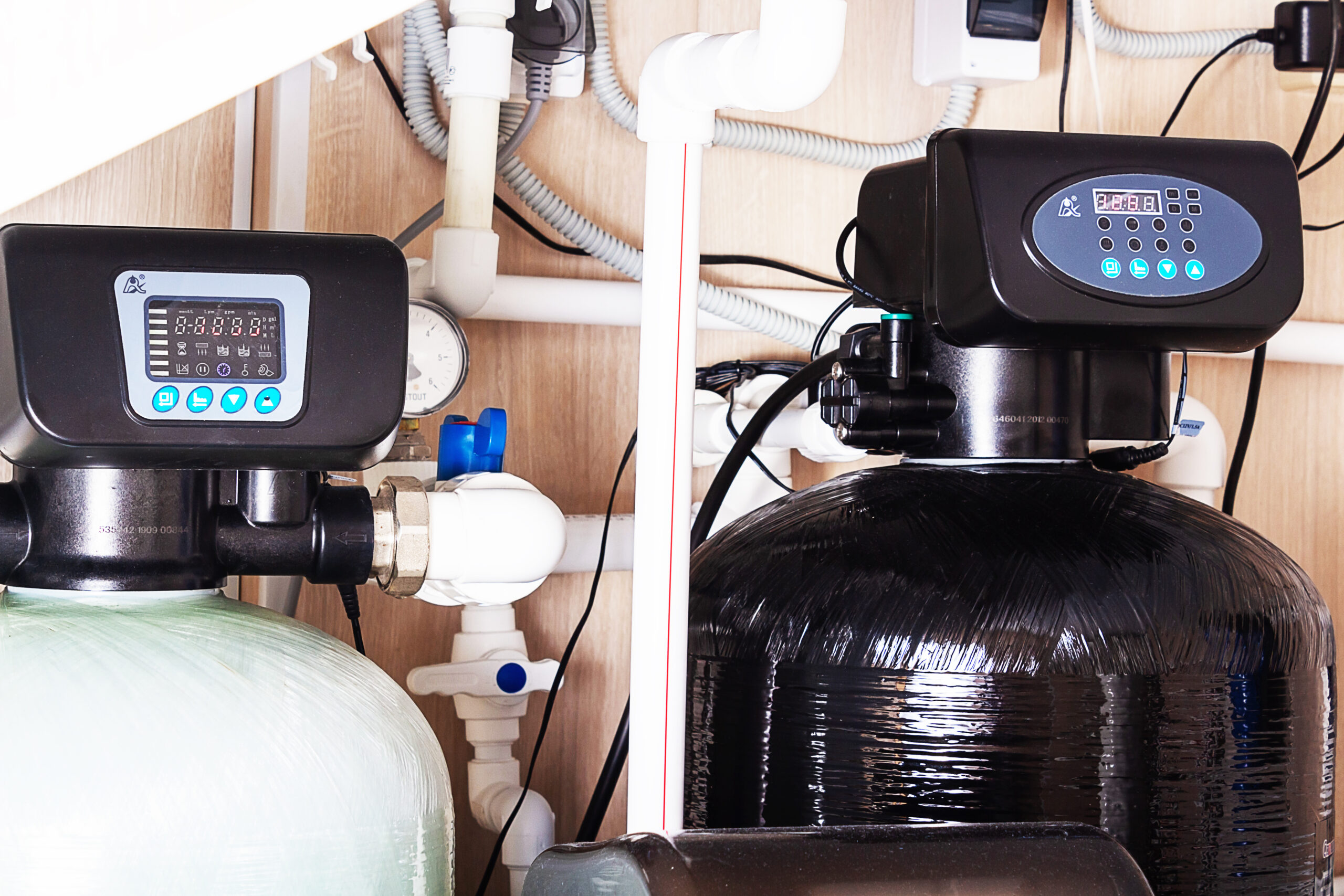
Typically, the filter housing is a clear or opaque canister located before (or after) the softener unit. It may be labeled as a sediment or carbon filter.
4. Use a Filter Wrench
Most systems include a wrench to unscrew the housing. Turn it counterclockwise. Keep a towel or small bucket handy for residual water.
5. Remove and Inspect the Old Filter
Take out the used filter and examine it. If it’s dark, clogged, or slimy—it was definitely time to replace it.
6. Clean the Housing
Rinse the inside with warm water and a tiny bit of dish soap. You can also sanitize with a tablespoon of bleach if there’s visible biofilm. Rinse thoroughly.
7. Install the New Filter
Place the new cartridge into the housing. Make sure the O-ring is properly seated and lubricated with food-grade silicone grease. Then screw the housing back on snugly—don’t overtighten.
8. Turn Water Back On and Check for Leaks
Slowly restore water flow and inspect the housing for any leaks. Run a faucet to clear out air and any carbon dust from a new filter.
Common Mistakes to Avoid
Even with the best intentions, DIY homeowners can run into issues. Here are a few mistakes we see often in Bucks County homes:
- Skipping the filter altogether: Thinking it’s optional can damage your softener over time.
- Using the wrong size/type: Not all filters are interchangeable. Using the wrong one may restrict flow or offer poor filtration.
- Overtightening the housing: This can crack the housing or damage O-rings.
- Not checking water pressure after: A drop in pressure could indicate an improperly seated filter or a more serious issue downstream.
Why Filter Changes Are Critical for Your Family’s Health
At Water-Logix, we believe that access to clean, safe water is a fundamental part of your well-being.
While water softeners are mostly used to treat hardness, a clogged or dirty filter can allow sediment or bacteria to slip through. In homes relying on private wells, this can be especially risky.
We’ve helped families in Dublin, New Britain, and Hellertown whose filters were so overdue for replacement that they were unknowingly drinking water with sediment or high iron content. Regular filter changes are a small but powerful act of care—for your home, and for your health.
When to Call the Professionals
Changing a filter on your water softener isn’t always complicated—but not every system is the same. At Water-Logix, we’ve seen filters stuck in place for years, moldy housing compartments, and incorrect filter types causing costly damage.
If you’re experiencing:
- Recurring issues after a filter change
- Leaks at the housing
- Iron or sulfur smells
- Visible scaling even with a working softener
…it may be time to schedule a professional inspection. Our technicians are trained to diagnose and solve filtration issues without the guesswork.
Water-Logix: Trusted by Bucks County Homeowners
We’ve spent years helping our neighbors—from Solebury to Sellersville—protect their families and their homes with clean, great-tasting water. Our approach is never pushy. We educate, offer options, and only recommend what’s truly needed.
Need a filter change? Want help identifying your water’s specific issues? Call us for a friendly, no-pressure consultation. We’ll test your water, inspect your system, and walk you through next steps—whether that’s a simple filter swap or a complete system upgrade.