
If you rely on well water for your home, you know how important it is to keep it clean, safe, and free from contaminants. Unlike city water, which goes through municipal treatment, well water comes straight from underground sources—meaning it can pick up impurities like sediment, chlorine, pesticides, and even foul odors. This is where carbon filters come in.
But how do carbon filters work for well water filtration? These powerful filters use activated carbon to trap unwanted chemicals and particles, improving the taste, smell, and overall quality of your water. Whether you’re looking to remove chlorine, volatile organic compounds (VOCs), or other impurities, carbon filters are a popular choice for homeowners seeking better water quality.
In this guide, we’ll dive deep into how do carbon filters work, the benefits they offer, and how to choose the best one for your well water—especially if you live in Bucks County.
How Do Carbon Filters Work for Well Water Filtration?
Carbon filters are one of the most effective and widely used filtration methods for improving well water quality. But how do carbon filters work to remove contaminants? It all comes down to a process called adsorption, where activated carbon captures and holds onto impurities as water passes through the filter.
The Science Behind Carbon Filtration
Activated carbon is a highly porous material made from sources like coconut shells, wood, or coal. It undergoes a special process to create a vast network of tiny pores, giving it a huge surface area—just one gram of activated carbon can have up to 2,000 square meters of surface area!
When well water flows through a carbon filter, the contaminants are attracted to the carbon surface and become trapped. This process is highly effective for removing:
- Chlorine and Chloramines – Often found in treated water, but sometimes present in well water due to runoff or disinfection byproducts.
- Volatile Organic Compounds (VOCs) – Chemicals from pesticides, industrial waste, and other sources.
- Bad Odors and Tastes – Sulfur, tannins, and other organic materials can create unpleasant smells and flavors in well water.
- Herbicides and Pesticides – Carbon filters can help remove traces of agricultural chemicals that seep into groundwater.
Types of Carbon Filters
Not all carbon filters work the same way. There are three main types used for well water filtration:
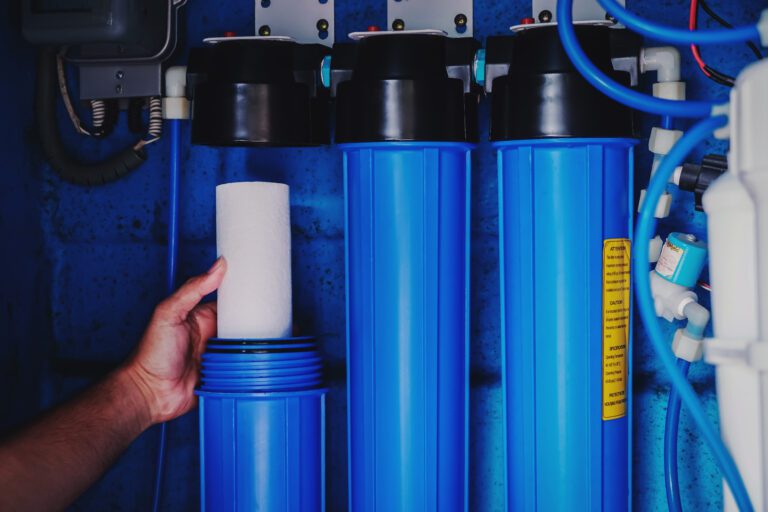
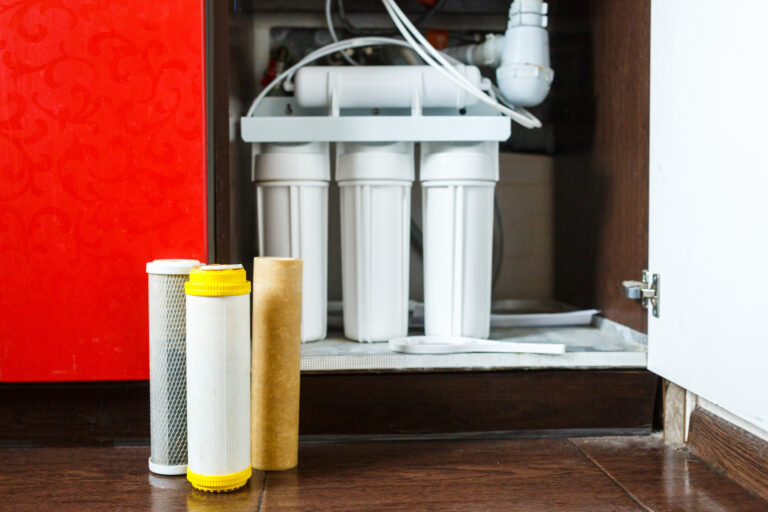
- Granular Activated Carbon (GAC) Filters – These contain loose granules of activated carbon that allow water to flow freely. They are great for improving taste and odor but may not be as effective for filtering out tiny particles.
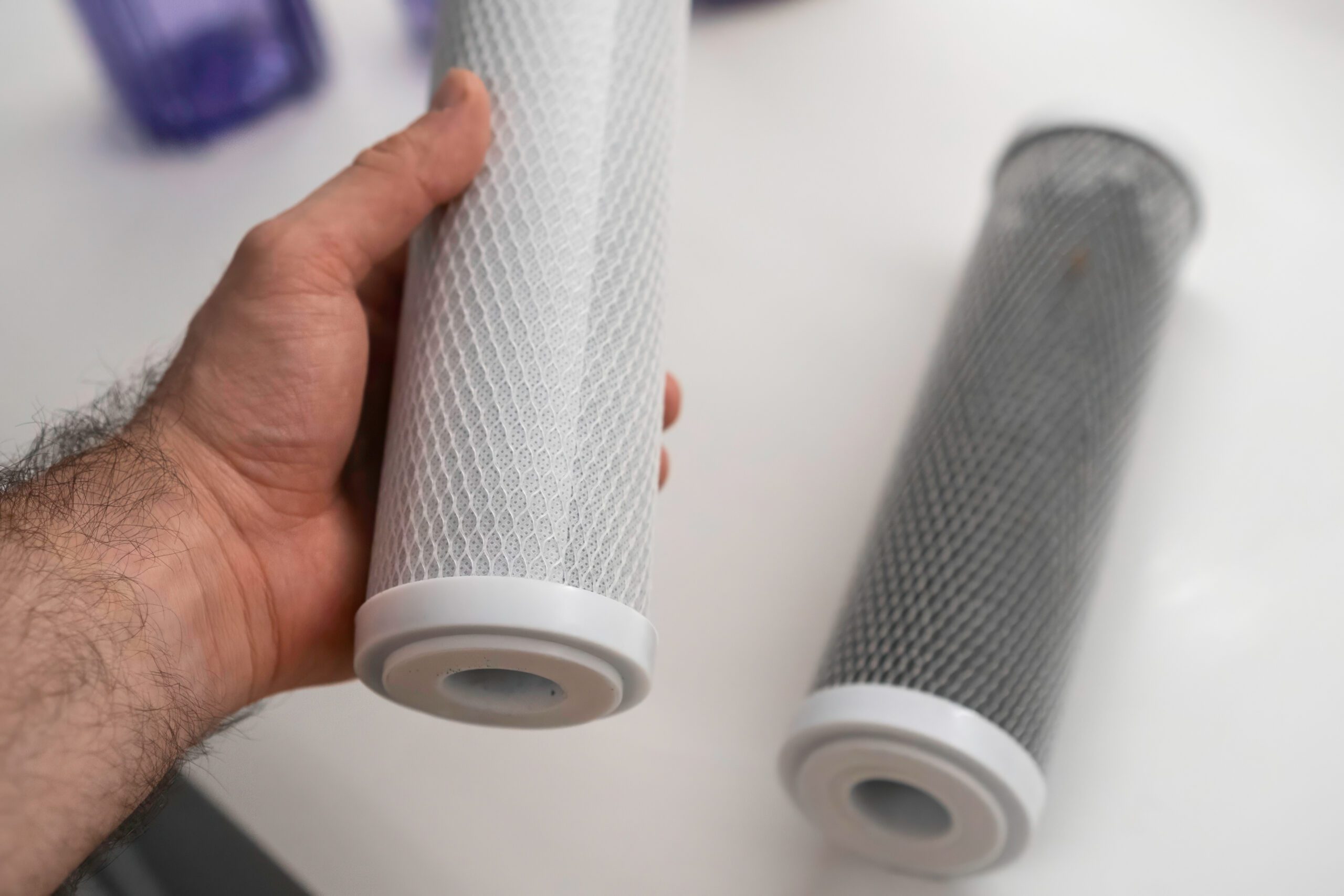
- Carbon Block Filters – These use compressed carbon, offering a higher level of filtration by trapping smaller contaminants. They’re often used in drinking water systems.
- Catalytic Carbon Filters – A specialized type of carbon that enhances the removal of chloramines and hydrogen sulfide (the cause of rotten egg smells in well water).
By understanding how do carbon filters work, you can see why they’re an essential component of well water treatment. Now, let’s explore the benefits of using them in your home.
Choosing the Right Carbon Filter for Your Well Water in Bucks County
If you live in Bucks County, selecting the right carbon filter for your well water is essential to ensure you’re removing the right contaminants. Since well water quality can vary depending on location, it’s important to assess your water first before deciding on a filtration system.
1. Test Your Well Water
Before purchasing a carbon filter, you need to understand what’s in your water. A professional water test can help determine:
- The presence of volatile organic compounds (VOCs)
- Levels of iron, manganese, or hydrogen sulfide (which can cause staining and odors)
- Bacteria and other microorganisms
- Sediment levels
Water-Logix offers well water testing in Bucks County to help homeowners identify the specific issues affecting their water supply. This ensures you choose the right filtration system for your needs.
2. Select the Right Type of Carbon Filter
Once you know what’s in your water, you can select the best carbon filter:
- Granular Activated Carbon (GAC) Filters – Best for improving taste and removing odors. Ideal if your water has mild to moderate contamination.
- Carbon Block Filters – More efficient at removing smaller particles and chemical contaminants like VOCs and pesticides.
- Catalytic Carbon Filters – Recommended if your well water has high levels of hydrogen sulfide (rotten egg smell) or chloramines.
If your well water contains heavy metals, bacteria, or high sediment levels, a multi-stage filtration system—combining carbon filtration with sediment filters, UV purifiers, or reverse osmosis—may be the best solution.
3. Consider Flow Rate and Filter Capacity
Not all carbon filters are the same when it comes to performance. You’ll want to consider:
- Flow rate – Measured in gallons per minute (GPM), this determines how much water the filter can process at a time. A household with multiple bathrooms will need a higher GPM system.
- Filter lifespan – Some carbon filters need replacing every 6 months, while whole-house systems can last several years before needing a replacement.
4. Whole-House vs. Point-of-Use Filters
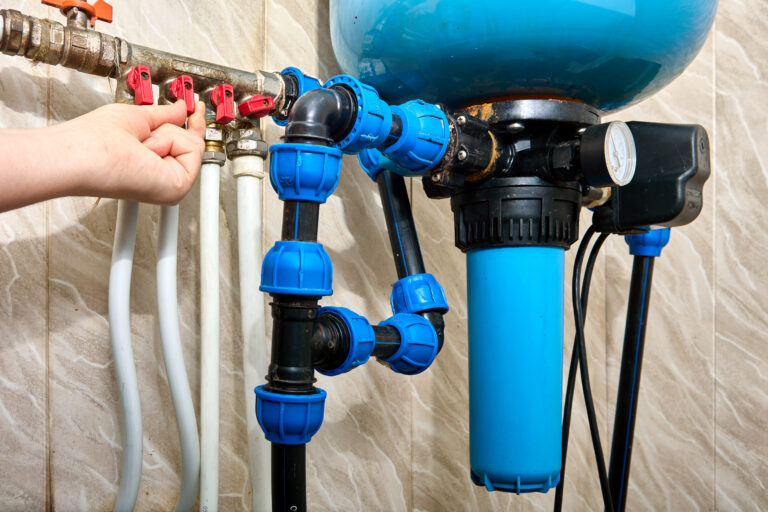
- Whole-House Carbon Filters – Installed at the point where water enters your home, these filters provide clean water to every tap, shower, and appliance. Ideal if your well water contains widespread contamination.
- Point-of-Use Carbon Filters – Installed under the sink or on a refrigerator line, these are great for improving drinking and cooking water but won’t filter water for showers, laundry, or appliances.
5. Professional Installation and Maintenance
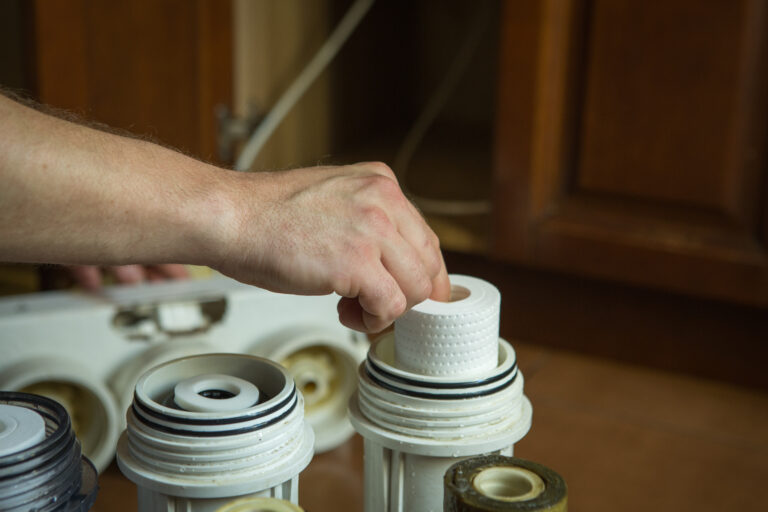
Installing a well water filtration system can be complex, especially if you need a whole-house system. A professional installation ensures that the filter is properly fitted, preventing leaks and maximizing efficiency. Regular maintenance, such as replacing filter cartridges, is also essential to keep your system working effectively.
If you’re in Bucks County, Water-Logix can help you choose, install, and maintain the right carbon filter for your well water. Our team specializes in custom water filtration solutions designed to meet the unique needs of local homeowners.
Ready for Better Well Water?
Now that you understand how carbon filters work, it’s time to take action. Whether you need a whole-house carbon filtration system or a point-of-use solution, Water-Logix is here to help.
Contact us today for a free consultation and water test! Let us help you enjoy cleaner, fresher, and safer well water in Bucks County.