In many households, “hard water” isn’t just a technical term buried in a plumbing manual; it is a daily reality that manifests as white crust on faucets, cloudy spots on glassware, and persistent skin irritation. If you have ever noticed that your soap doesn’t lather well, your laundry feels like sandpaper, or your hair feels “straw-like” after a shower, you are likely dealing with high concentrations of dissolved calcium and magnesium minerals.
While these minerals are not technically harmful to ingest, they act as a “slow-motion wrecking ball” for your home’s infrastructure and your personal well-being. This guide explores the hidden impacts of hard water, the science of how to fix it, and why a professional water softening system is one of the smartest investments a homeowner can make.
The Destructive Toll of Hard Water
Hard water is deceptive. Because the minerals are dissolved, you cannot see them with the naked eye. You only see the damage once it has reached a critical stage. It works quietly behind the scenes to degrade your most expensive household investments.
1. Appliance Failure and Efficiency Loss
The most significant impact of hard water is limescale buildup. When hard water is heated, the minerals precipitate out of the liquid and solidify, forming a rock-hard layer of scale.
- Water Heaters: This is where the most expensive damage occurs. Scale acts as a thermal insulator. If you have a traditional tank heater, the heating element has to heat the layer of “rock” before it can heat the water itself. This forces the unit to work harder and run longer, consuming significantly more energy and causing the tank to overheat and eventually crack.
- Dishwashers and Laundry Machines: Modern high-efficiency appliances rely on precision spray jets and complex internal valves. Hard water minerals clog these tiny openings, leading to leaks, poor drainage, and mechanical failure years before the appliance’s expected lifespan.
- Coffee Makers and Ice Machines: Any small appliance that heats or freezes water is a prime target for scale. Over time, the internal tubing becomes so constricted that the appliance simply stops functioning.
2. The “Soap Scum” Sabotage
Have you ever spent an hour scrubbing your shower only to see a cloudy white film return just days later? That isn’t just dirt; it is a chemical byproduct known as soap scum.
Hard water minerals react with the fatty acids in soap and detergents to create a sticky, insoluble curd. This curd won’t rinse away with water. It clings to your tiles, your glass shower doors, and it stays trapped in the fibers of your clothes. Over time, this buildup causes white fabrics to turn gray and colored fabrics to look dull and faded.
3. Skin, Hair, and Personal Health
Your skin is your body’s largest organ, and hard water is its constant enemy. Because soap doesn’t dissolve properly in hard water, it leaves a microscopic film on your skin after you “rinse.” This film clogs pores and strips away natural oils, leaving your skin dry, itchy, and flaky.
For those with sensitive skin conditions like eczema or psoriasis, hard water can act as a constant trigger, making flare-ups more frequent and harder to manage. Similarly, hair becomes brittle and “brassy” as minerals weigh down the follicles and prevent conditioners from penetrating the hair shaft.
The Science: How Water Softening Works
A water softener is essentially a “mineral magnet” for your home. It doesn’t just mask the problem; it physically removes the hardness minerals from the water before they ever reach your pipes. The process is known as ion exchange.
The Ion Exchange Process
Inside a water softener system in Sellersville is a tank filled with millions of tiny, specialized resin beads. These beads are negatively charged and are “pre-loaded” with soft sodium or potassium ions.
- The Exchange: As hard water enters the tank, the calcium and magnesium ions (which carry a strong positive charge) are naturally attracted to the resin beads.
- The Swap: The beads grab the “hard” minerals and, in exchange, release the “soft” sodium ions into the water.
- The Result: The water that exits the tank and flows to your faucets is “soft”, meaning it is chemically incapable of forming scale or soap scum.
The Regeneration Cycle
Once the resin beads are saturated with calcium and magnesium, they can no longer soften the water. This is when the system enters a regeneration cycle. The softener flushes the resin tank with a concentrated brine (salt) solution. This strong brine forces the hardness minerals off the beads and flushes them down the drain, “recharging” the beads with fresh sodium so the process can begin again.
The Measurable Benefits of Soft Water
Switching to soft water provides a suite of benefits that touch every aspect of your daily life. It is one of the few home improvements that provides a clear Return on Investment (ROI).
Financial Savings
- Reduced Energy Bills: By eliminating scale in your water heater, you can reduce your water-heating costs by up to 20-30%.
- Lower Detergent Costs: Soft water allows soaps to lather much more effectively. You will find that you need up to 50% less laundry detergent, dish soap, and shampoo to achieve a better result.
- Appliance Longevity: By protecting your plumbing and appliances from scale, you avoid premature replacements that can cost thousands of dollars.
Lifestyle Improvements
- A Cleaner Home: Say goodbye to “elbow grease.” Without minerals to create soap scum, your glass shower doors, chrome fixtures, and porcelain sinks stay sparkling with a simple wipe rather than heavy scrubbing with harsh chemicals.
- Softer Laundry: Without the mineral buildup, towels stay fluffy and clothes feel softer against your skin.
- Better Beauty Routine: You’ll notice softer skin and hair that feels lighter and looks shinier from the very first shower. Soft water allows your natural oils to do their job, often reducing the need for expensive lotions and hair masks.
Why Partner with Water-Logix?
While you can find “off-the-shelf” softeners at big-box retailers, these units are often underpowered for the unique challenges of private well water or high-hardness municipal lines. This is where the Water-Logix advantage comes in.
1. Professional Grade Technology
We don’t install generic systems. We specialize in high-performance technology designed for durability and efficiency:
- The MX Conditioner: A robust system designed to handle even the most stubborn hardness levels while maintaining high flow rates for larger homes.
- Twin Alternating Softeners: This is the gold standard for many of our clients. With two resin tanks, the system can provide soft water 24/7. While one tank is regenerating, the other is in service, making sure you never have to deal with “hard water windows.”
2. Precision Diagnostics
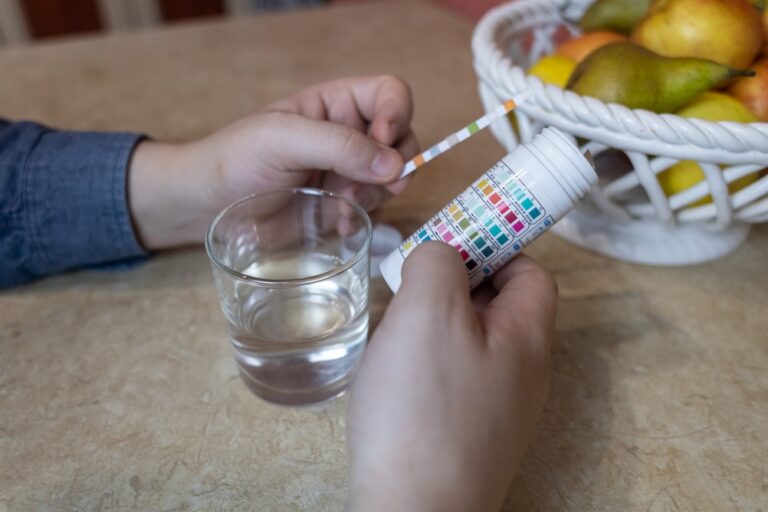
A water softener system near Quakertown is only as good as its configuration. If a system is programmed incorrectly, it will either waste salt or fail to soften the water properly. Water-Logix technicians perform in-depth water testing to determine the exact grains of hardness, iron content, and pH of your water. We use this data to custom-calibrate your system for maximum efficiency.
3. Complete Water Health
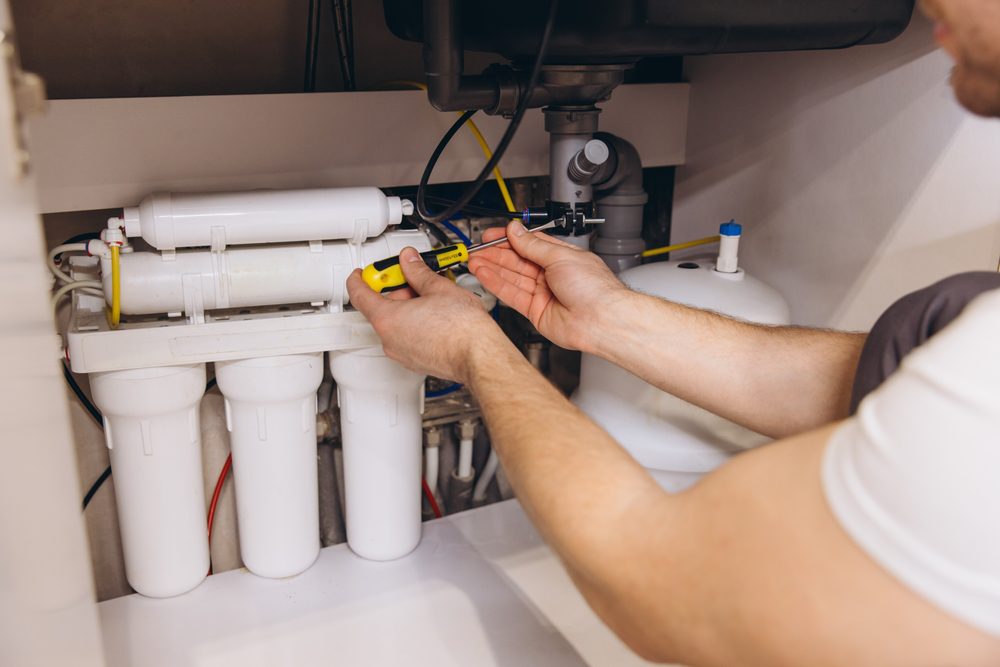
We understand that hardness is often just one piece of the puzzle. Many homeowners dealing with hard water also face issues with iron staining, sulfur odors, or emerging contaminants like PFAS. Water-Logix provides a holistic approach to water treatment, integrating softening with UV purification, reverse osmosis, and carbon filtration to make sure your water is both soft and safe.
Conclusion: Protect Your Home Today
Investing in a water softener is more than just a luxury; it is a defensive strategy for your home. Between the documented energy savings, the extended life of your plumbing, and the immediate improvement in your quality of life, a professional system eventually “buys” itself.
Don’t let dissolved minerals dictate the lifespan of your appliances or the health of your skin. Experience the difference that professional-grade filtration can make.
Ready to see what’s in your water? Contact Water-Logix today for an expert consultation and take the first step toward a cleaner, more efficient, and softer home.
Frequently Asked Questions
Does softened water taste salty?
This is a common misconception. The amount of sodium added during the ion exchange process is very small, usually less than what you would find in a single slice of bread. However, for those on strictly low-sodium diets, we offer potassium chloride as an alternative to salt, or we can install a Reverse Osmosis (RO) system at your kitchen tap for pure, sodium-free drinking water.
How much maintenance does a softener require?
Modern systems from Water-Logix are largely automated. Your primary responsibility is simply making sure the brine tank has salt. Beyond that, an annual “check-up” by a professional verifies that the valves are moving freely and the settings are still optimized for your usage.
Will a softener fix my “rotten egg” smell?
While a softener removes calcium and magnesium, it is not primarily designed to remove hydrogen sulfide (the cause of that smell). However, many of our MX Conditioners can be outfitted with specialized media to tackle multiple issues at once. This is why professional testing is so vital.