
Millions of rural Americans rely exclusively on a private drinking water supply for their daily hydration needs. Unlike regulated municipal systems, an independent residential well lacks automatic safety monitoring from local city officials, placing the entire burden of safety on the homeowner.
If you are wondering how to test well water for heavy metals, you must take personal responsibility for checking your drinking water for harmful, invisible chemical contaminants. Securing the safety of your private drinking water requires a proactive approach to water quality management. This is where Water-Logix steps in, bringing specialized industry expertise and testing strategies to identify potential hazards before they impact your health.
Many homeowners wonder exactly how they should conduct a water test for dangerous elemental toxins that may be present in their pipes. Contaminants like lead, arsenic, and mercury can easily seep into untreated groundwater without changing its taste, smell, or appearance, making them exceptionally difficult to detect. A reliable water test protects your entire family from dangerous long-term exposure to heavy metals that could cause developmental or neurological issues. By performing a drinking water quality assessment, you can identify if your water supply has been compromised by naturally occurring minerals or industrial runoff.
Testing involves pulling a specific water quality sample and sending it to a certified laboratory facility for professional analysis. Professionals examine this water quality sample to detect microscopic pollutants that seriously threaten human health, including heavy metals and volatile organic compounds (VOCs). This guide explains the exact procedures you need to execute a successful water test at home to keep your drinking water supply pure and safe for consumption.
Identifying Contamination Risks in Underground Aquifers
Your home draws hydration from geological formations located far beneath the visible soil surface, which are highly susceptible to various forms of water quality degradation. According to the national ground water atlas, most domestic wells tap directly into principal aquifers that span multiple states. These deep underground reservoirs hold vast amounts of fresh moisture that eventually reaches your kitchen faucet, but they can become contaminated by both human activity and natural processes. Understanding the movement of untreated groundwater is the first step in maintaining a safe and reliable home water supply.
The current level of the water table heavily influences the overall safety of your residential private drinking water supply throughout the year:
- Drought Conditions: When the water table drops significantly, concentrated minerals and organic compounds can accumulate in the remaining liquid, drastically increasing the risk of toxicity.
- Seasonal Fluctuations: These natural shifts make regular water tests absolutely essential for rural property owners across the entire country who want to maintain high drinking water quality.
- Sudden Shifts: Without consistent monitoring, an abrupt shift in the surrounding environment could introduce a heavy metal into your system without any visual warning.
You should contact your local health department to learn about specific regional contamination risks near you. They track historical data regarding the nation’s waters and identify localized chemical threats in your county, such as volatile organic residues from local manufacturing. Their public records often indicate if nearby neighbors have discovered a specific heavy metal in their plumbing or if there is a known issue with surface water leaching into local water supplies. This localized knowledge allows you to personalize your water test to the most likely threats in your specific geographic area.
How Do You Test Well Water for Heavy Metals with a Professional Water Test?
To begin the process of collecting water for analysis, you must first obtain a sterile water sample kit from a certified laboratory. This kit will typically include specific containers designed to preserve the integrity of the quality sample during transit to the testing facility.
When you perform a water test, it is crucial to follow the instructions precisely to avoid cross-contamination from your hands or the surrounding environment. Proper handling achieves accurate results of your water quality sample that reflect the true state of your drinking water.
The first step in collecting water quality data is to identify the best sampling point, which is usually the kitchen faucet or the pressure tank. You should let the water run for several minutes to make sure you are capturing a representative drinking water quality sample from the aquifer rather than stagnant water in the pipes.
This is particularly important when checking for potential corrosivity, as older pipes can leach lead or copper into the water if it sits for too long. A thorough water test should always account for the plumbing materials used throughout your entire home distribution system.
Once you have the water sample, you must seal it tightly and complete the documentation required by the lab for processing. This documentation asks for the source of the water supply and the specific water tests you wish to have performed by the technicians. For a thorough water quality check, you should request a panel that includes heavy metals, nitrates, and volatile organic compounds to get a full picture of your private drinking safety. Investing in a water test provides the peace of mind that your family is protected from hidden environmental hazards.
Laboratory Measuring
Once your quality sample reaches the facility, it undergoes rigorous testing using advanced technology and highly sensitive instruments. A laboratory measuring the chemical composition of your water will use techniques like mass spectrometry to identify even the smallest traces of a heavy metal.
This level of precision is necessary because many organic compounds are toxic at extremely low concentrations, making them impossible to detect without professional equipment. A standard water test performed in a certified lab is far more reliable than any over-the-counter DIY kit available to consumers.
Modern analytical facilities are capable of measuring pharmaceuticals that may have entered the groundwater through failing residential septic systems or agricultural runoff. Identifying these substances early allows for the implementation of effective, targeted filtration strategies to protect your drinking water quality.
The results of your water quality sample analysis will provide a detailed report of every substance found in your well. If the report indicates that your water contamination levels exceed EPA standards, you will need to take immediate action to remediate the situation. This might involve installing a specialized filtration system or seeking an alternative drinking water supply until the issue is resolved. Regular water testing in Hatfield is the only definitive way to stay ahead of these invisible dangers and maintain a healthy home environment for your loved ones.
Identifying a Specific Heavy Metal and Conducting a Water Test
When homeowners ask how to test well water for heavy metals, they are often concerned about specific high-profile toxins like lead or arsenic. The pathways for these metals vary significantly:
| Heavy Metal | Primary Source of Contamination | Potential Health Risks |
| Lead | Corrosion of household plumbing materials, solder, and fixtures. | Neurological delays, developmental issues in children. |
| Arsenic | Naturally occurring element found in bedrock; agricultural runoff. | Skin lesions, cardiovascular disease, systemic toxicity. |
| Mercury & Cadmium | Industrial waste, electronic improper disposal, specialized fertilizers. | Kidney damage, nervous system impairment. |
| Copper | Leaching from copper pipe networks into acidic water. | Gastrointestinal distress, long-term liver issues. |
A targeted water test can help you distinguish between source aquifer contamination and internal plumbing issues, allowing for more effective treatment solutions.
Mercury and cadmium are other dangerous elements that can compromise your drinking water quality if left unchecked. Because these substances are entirely odorless and tasteless, a professional water test is the only definitive way to confirm their presence in your well. Regular water tests make sure that any sudden spike in these toxic elements is caught before it poses a significant health risk to your household.
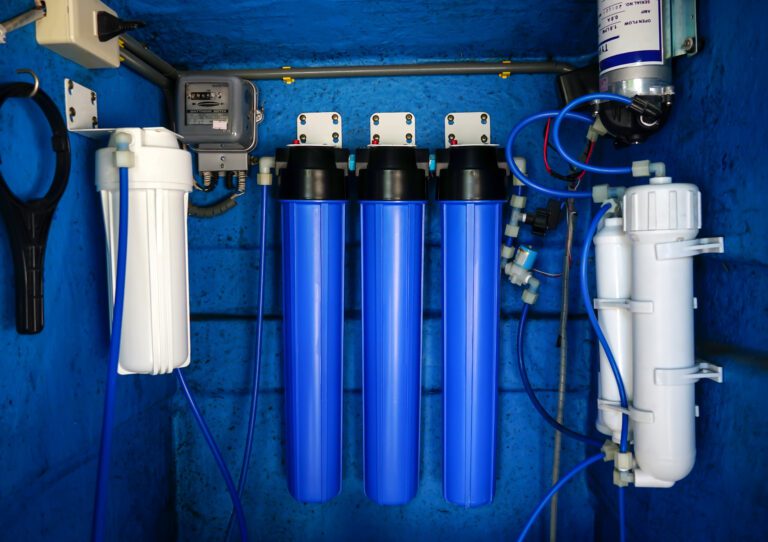
Chromium and copper are also common concerns for those relying on a private drinking water supply in industrial or historic residential areas. While copper is an essential nutrient in tiny amounts, high levels cause rapid health degradation. A water quality sample analyzed by a professional lab will provide the exact parts per billion (ppb) for each of these metals. This highly granular data is crucial for selecting the right water softener, iron filter, or reverse osmosis system to maintain your drinking water quality over the long term.
Interpreting Your Water Quality Sample and Laboratory Reports
Receiving your water quality sample report can be overwhelming due to the technical jargon and various units of measurement used by laboratory scientists. Most reports will list the detected concentration of a heavy metal alongside the Maximum Contaminant Level (MCL) set by federal health guidelines. If your water test shows a concentration higher than the MCL, it indicates a potential health risk that requires immediate mitigation. Understanding these numbers is vital for anyone managing their own private drinking water supply without municipal oversight.
In addition to heavy metals, your report may include data on pH levels, total hardness, and the presence of volatile organic compounds. A low pH level indicates acidic water, which can increase the potential corrosivity of your plumbing and lead to higher metal concentrations at your kitchen tap. If your water test reveals high acidity, you may need to install an acid neutralizer tank to protect your plumbing infrastructure and improve your drinking water quality. Every data point in the water quality sample report provides a vital piece of the puzzle regarding your well’s overall health.
If you are unsure about the results of your water test, do not hesitate to contact specialized professionals for clarification. They can help you understand the long-term implications of measuring pharmaceutical traces or specific organic compounds found in your untreated groundwater. Professionals can also recommend specific water tests to perform as follow-ups if an initial screening shows suspicious results. Staying proactive and thoroughly informed is the best way to keep your water supply as a safe resource for your household.
Maintaining Your Private Drinking Water Supply and Water Quality
In conclusion, understanding how to test well water for heavy metals is a fundamental skill for any homeowner relying on a private drinking water supply. By regularly collecting water quality data and submitting it for a professional water test, you can keep your drinking water safe for your family. Whether it is monitoring for heavy metals, volatile organic compounds, or naturally occurring arsenic, staying informed is your best defense against untreated groundwater contamination. Consistent water testing is the ultimate hallmark of a responsible well owner. To address concerns that may arise from water testing results, Water-Logix offers custom well water systems in Bucks County to provide whole-house filtration.
Remember that water quality can change rapidly over time due to environmental factors, nearby construction, or changes in the water table. By prioritizing water testing and drinking water quality, you are making a vital investment in your long-term health and the structural safety of your home’s water supply. Never take the purity of your untreated groundwater for granted; always verify it with an expert laboratory analysis.
Take Control of Your Water Safety with Water-Logix
Don’t guess when it comes to the health and safety of your family’s drinking water. At Water-Logix, we specialize in providing homeowners with industry-leading water testing services and advanced filtration diagnostics. Our team of water quality experts handles everything from heavy metal screenings to custom treatment system designs.
Whether you need to interpret a complex lab report or implement a robust reverse osmosis solution, Water-Logix delivers the precision, clarity, and reliability you deserve. Contact Water-Logix today to secure your home’s water test kit and breathe easy knowing your well water is completely safe.