If you’ve been thinking about adding a water filter to your home, you’ve probably come across reverse osmosis systems. But what does a reverse osmosis water filter actually do? How does it impact your health, and are there any drawbacks to consider?
In this article, we break down everything you need to know about reverse osmosis water filters. We’ll explain how the process works, highlight the benefits, and address potential limitations so you can decide if this system is the right fit for your home. At Water Logix, we believe informed choices lead to better water and healthier families.
What Does a Reverse Osmosis Water Filter Do
Reverse osmosis water filters remove impurities from water by filtering it through a membrane. This membrane has incredibly tiny pores, small enough to allow water molecules to pass through while blocking larger particles like contaminants, chemicals, and impurities.
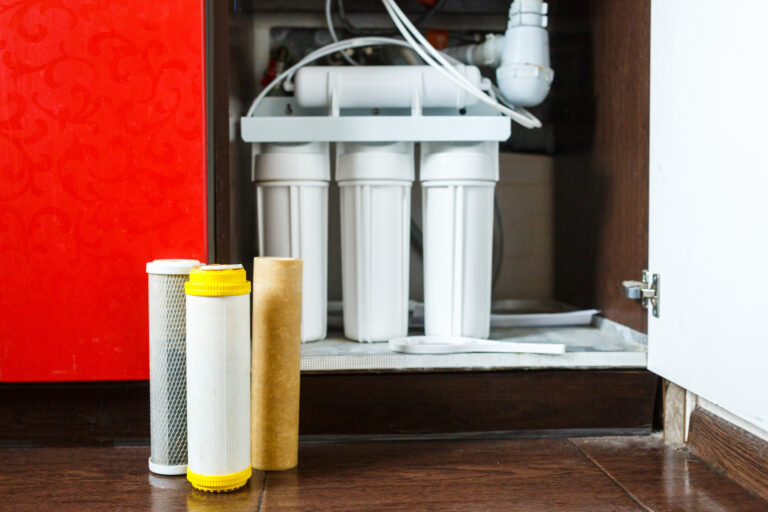
The process of a reverse osmosis filter includes multiple steps:
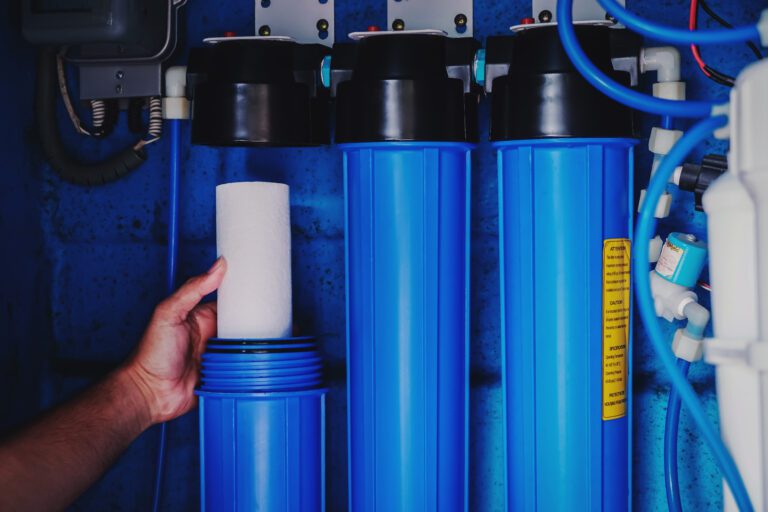
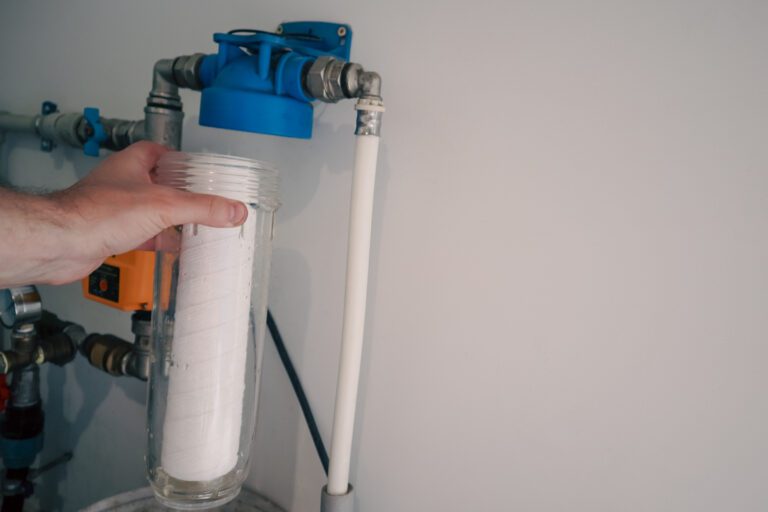
- Pre-Filtration: Water passes through a sediment filter and a carbon filter to remove larger particles like dirt, rust, and chlorine. This step protects the delicate RO membrane from damage.
- Reverse Osmosis Membrane: The heart of the system, this membrane captures contaminants such as heavy metals, dissolved salts, bacteria, and viruses.
- Post-Filtration: After the water exits the RO membrane, it flows through an additional carbon filter to remove any remaining odors or tastes, ensuring the water is fresh and clean.
- Storage and Delivery: The purified water is stored in a pressurized tank and dispensed through a dedicated faucet when needed.
Reverse osmosis systems can remove up to 99% of common contaminants like arsenic, lead, nitrates, and more. That way, you get pure drinking water that is free from unhealthy components and tastes better.
Why Is Reverse Osmosis Water Good for You?
Drinking reverse osmosis water has several benefits. Here’s why we usually recommend this system for households that want pure drinking water:
1. Removes Harmful Contaminants
One of the primary advantages of reverse osmosis is its ability to eliminate dangerous contaminants. It effectively filters out:
- Heavy metals like lead and mercury, which can cause long-term health issues.
- Harmful chemicals such as arsenic, nitrates, and fluoride.
- Bacteria, viruses, and parasites that may pose serious health risks. By reducing exposure to these contaminants, reverse osmosis water protects your family’s health and well-being.
2. Improves Taste and Odor
Tap water can sometimes have a metallic taste or an unpleasant chlorine odor, which might discourage you from drinking enough water daily. Reverse osmosis filtration enhances the flavor and smell of water by removing impurities, making it more enjoyable to drink.
3. Supports a Healthier Lifestyle
Clean water is essential for good health. Reverse osmosis water is filtered to remove many toxins and contaminants that can put stress on your body’s natural detoxification systems. Whether you’re drinking it, cooking with it, or using it for coffee or tea, RO water helps support overall wellness and peace of mind.
4. Reduces Sodium Levels
For anyone following a low-sodium diet, reverse osmosis water is a smart option. Unlike some water softening systems that can add sodium to your water, reverse osmosis filters remove dissolved salts instead. The result is cleaner, better-tasting water without the extra sodium.
5. Environmentally Friendly Alternative
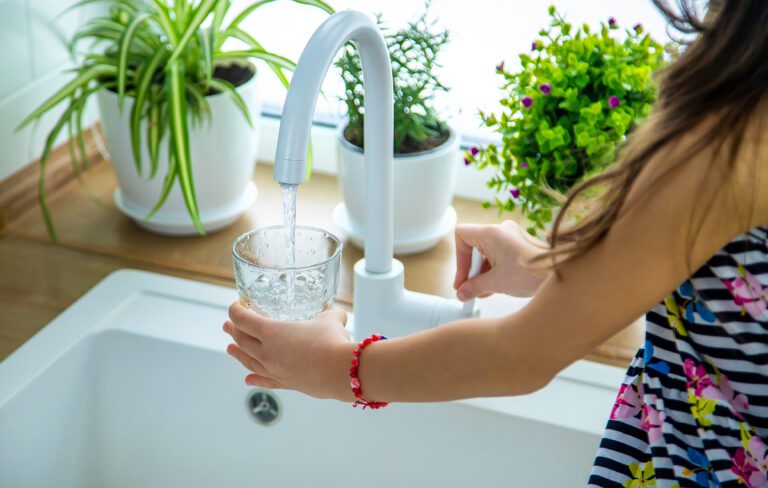
Reverse osmosis systems offer an eco-friendly alternative to bottled water. By purifying water right at home, you can cut back on single-use plastic bottles and reduce waste, all while enjoying clean, great-tasting water.
How Pure Is Reverse Osmosis Water?
Reverse osmosis water is one of the purest forms of drinking water available, removing up to 99% of impurities. This advanced filtration process eliminates a wide range of contaminants, resulting in exceptionally clean, high-quality water.
Because reverse osmosis removes so much from the water, it can also reduce naturally occurring minerals like calcium and magnesium. While these minerals have benefits, their absence does not make RO water unsafe to drink. For those who prefer the taste or added benefits of mineral content, many reverse osmosis systems offer optional re-mineralization filters that restore select minerals to the water.
What Does Reverse Osmosis Not Remove?
While reverse osmosis is one of the most effective water filtration methods available, it isn’t without limitations. Some substances may still remain in the water after it passes through an RO system. Here’s a closer look at what reverse osmosis may not remove:
1. Volatile Organic Compounds (VOCs)
Reverse osmosis systems are not designed to effectively remove some VOCs, which are chemicals often found in pesticides, herbicides, and industrial solvents. While the carbon filters in an RO system can reduce VOC levels, they may not eliminate them entirely.
2. Certain Microorganisms
Although reverse osmosis membranes are excellent at removing bacteria and viruses, they may not be 100% effective against very small microorganisms like endotoxins or pyrogens. This is why RO systems are often paired with additional UV filters or other sterilization methods in areas with significant biological contamination.
3. Dissolved Gases
Reverse osmosis systems typically do not remove dissolved gases such as:
- Carbon dioxide (CO2): This can make the water slightly acidic.
- Radon: A naturally occurring gas found in some groundwater sources.
4. Minerals
Reverse osmosis systems remove beneficial minerals such as calcium and magnesium along with harmful contaminants. While this results in very pure water, it also means the water is essentially mineral-free, which some people prefer to avoid. To balance purity and taste, re-mineralization filters can be added to restore these minerals.
5. Non-Water Solubles
Reverse osmosis focuses on dissolving impurities and may not remove substances that are not fully soluble, such as some oils or chemicals that don’t bond well with water.
How to Address These Limitations:
To guarantee the cleanest, safest water possible, many homeowners pair their reverse osmosis system with additional filtration methods:
- Carbon Filters: Enhance VOC and chemical removal.
- UV Sterilizers: Kill bacteria, viruses, and other microorganisms.
- Re-Mineralization Filters: Restore essential minerals for better-tasting water.
In short, reverse osmosis systems are highly effective, but they perform best when used as part of a multi-stage filtration setup. Understanding their limitations allows you to make informed choices and create a water treatment solution that delivers the best possible water quality for your home.
How Long Do Reverse Osmosis Systems Last?
Buying a reliable reverse osmosis system might be a big upfront investment for some families, which is why is natural to wonder how long they will last. With proper care, an RO system can last between 10 to 15 years. It all comes down to how often you service it and the water source you are trying to filter.
On the other hand, certain parts do need more regular replacement to ensure the system is working correctly:
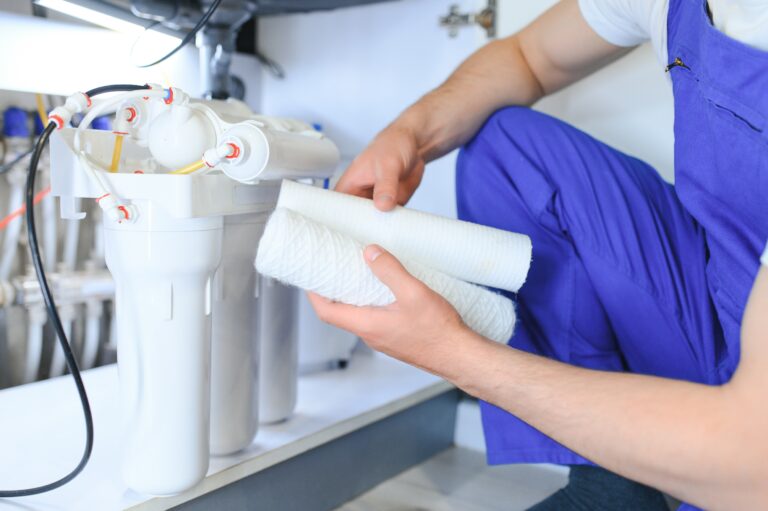
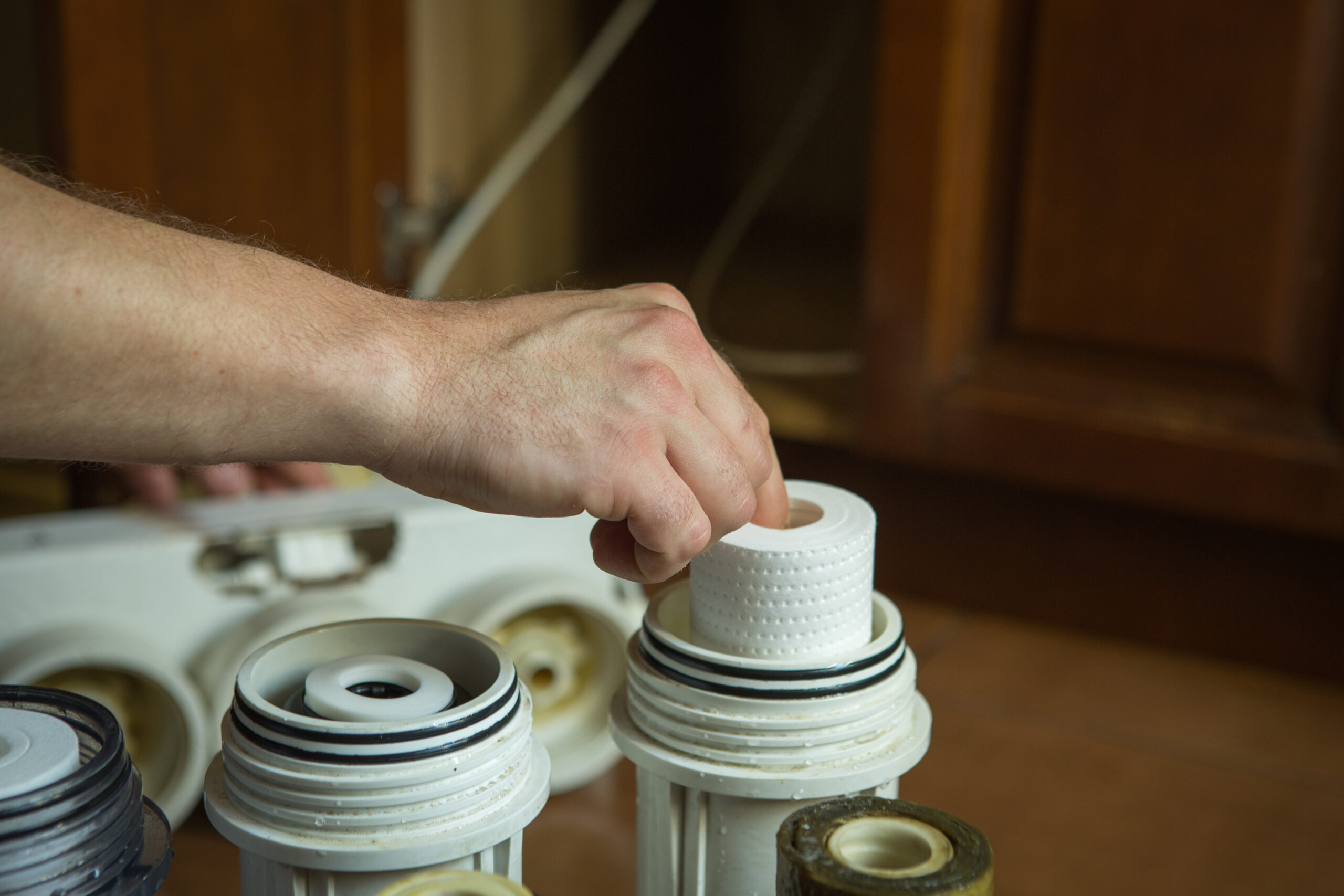
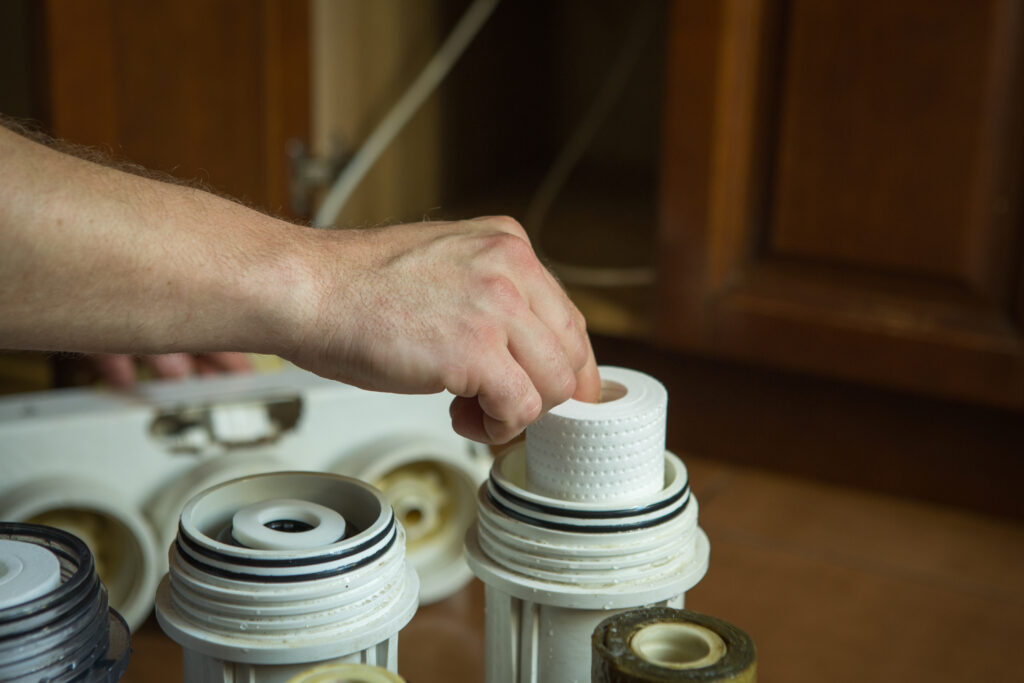
- Pre-Filters and Post-Filters: Replace every 6–12 months, depending on water quality and usage.
- RO Membrane: Replace every 2–3 years or as recommended by the manufacturer. Some membranes may last longer with high-quality water input.
- Storage Tank: The pressurized storage tank typically lasts about 5–10 years, depending on usage and maintenance.
Hard water, high TDS levels, or excessive sediment can wear out filters and membranes faster. Pre-filters help protect the system but may require more frequent replacement in areas with poor water quality.
Signs It’s Time for Replacement or Maintenance
To keep your reverse osmosis system running efficiently, watch for these signs:
- A noticeable drop in water pressure.
- Odd tastes or odors in the water.
- Frequent tank refills or slow water flow from the faucet.
- Leaks or unusual noises from the system.
Where to Buy a Reverse Osmosis System
Local water treatment companies are a fantastic option if you’re looking for personalized service. They can recommend a system based on the specific water quality in your area, and many offer professional installation and ongoing maintenance. At Water Logix, for example, we pride ourselves on helping families choose the best system while offering support every step of the way.
If you prefer shopping online, retailers like Amazon offer a wide range of reverse osmosis systems. You can compare models, read customer reviews, and have a system delivered directly to your home. Keep in mind that installation may need to be arranged separately.
At Water Logix, we offer more than just systems; we provide peace of mind. From helping you choose the right system for your home to handling professional installation and ongoing maintenance, we are here every step of the way. Our experts take the time to understand your water quality needs, whether it is removing contaminants like lead or improving taste and odor. With us, you are not just buying a filter, you are investing in cleaner, healthier water for your family.
So, if you’re ready to bring the benefits of reverse osmosis water into your home, give us a call. We’d love to help you get started on the journey to safer, better-tasting water.