If you’ve heard of a water neutralizer, you might wonder, “What does a water neutralizer do?” At Water Logix, we’re dedicated to helping homeowners like you secure pure drinking water, which is why we want to break down this topic in a way that’s easy to understand and reliable.
In this article, we’ll explore what a water neutralizer does, how it differs from other water treatment systems like water softeners, and whether it’s the right solution for your home.
What is a Water Neutralizer?
A water neutralizer is a type of water treatment system specifically designed to adjust the pH level of your water. Homes with private wells often experience acidic water, which can have a pH lower than 7. This acidity can cause a host of issues, such as:
- Corrosion of pipes and plumbing fixtures.
- Blue-green stains on sinks, tubs, and fixtures
- Metallic taste in water.
- Staining on sinks, tubs, and appliances.
- Potential health concerns from leaching metals like lead and copper.
Water neutralizers typically use a calcium carbonate (calcite) or magnesium oxide media to neutralize acidity. When water flows through the neutralizer, the media slowly dissolves, raising the pH to a safer, neutral level (around 7 to 7.5). This process not only protects your plumbing but also ensures your water is safe and pleasant to use.
What Does a Water Neutralizer Do?
A water neutralizer plays a critical role in maintaining the quality and safety of your home’s water supply. Its primary function is to neutralize acidic water by raising its pH level to a neutral or slightly alkaline state. But what does this mean for your home and your water?
Here’s what a water neutralizer does in detail:
Protects Plumbing and Appliances
Acidic water is corrosive, which can damage your pipes, faucets, and appliances over time. A water neutralizer prevents this by balancing the pH, reducing the risk of leaks, pinhole corrosion, and costly repairs. This protection helps extend the life of your plumbing system and water-using appliances like dishwashers and water heaters.
Improves Water Taste and Quality
Acidic water often has a metallic or sour taste due to its interaction with plumbing materials. By neutralizing the acidity, a water neutralizer enhances the taste of your water, making it cleaner and more enjoyable to drink.
Prevents Stains and Discoloration
Low-pH water can cause unsightly blue-green stains on sinks, bathtubs, and toilets as it reacts with copper pipes. A water neutralizer eliminates this issue, keeping your fixtures and surfaces clean and stain-free.
Minimizes Health Risks
Acidic water can leach harmful metals, like lead and copper, from your plumbing into your drinking water. Over time, exposure to these metals can pose serious health risks. By balancing the pH, a water neutralizer reduces the likelihood of metal contamination, ensuring your family’s drinking water is safe.
Balances Water Chemistry for the Home
Properly balanced water is better for everything from cleaning to cooking. Neutralized water interacts more effectively with soaps and detergents, improving cleaning efficiency and reducing soap scum buildup.
A water neutralizer is particularly important for homeowners with private wells, as well water is more likely to have imbalanced pH levels compared to municipal water supplies. By addressing this issue proactively, you can safeguard your home, health, and peace of mind.
What Is the Difference Between a Water Softener and a Neutralizer?
It’s easy to confuse a water softener with a water neutralizer since both improve water quality, but they tackle entirely different issues. Think of them as teammates in your home’s water treatment system, each with a specific job to do.
What Does a Water Neutralizer Do?
A water neutralizer focuses on balancing pH levels in acidic water. Its main job is to neutralize acidity and prevent the corrosion of pipes, appliances, and fixtures. If your water is acidic (with a pH lower than 7), a water neutralizer is the tool for the job. It doesn’t remove minerals or soften water—it simply adjusts the pH to protect your home and improve water quality.
What Does a Water Softener Do?
A water softener, on the other hand, deals with hard water, which contains high levels of calcium and magnesium minerals. These minerals can leave scale buildup on your plumbing, appliances, and even your skin and hair. A water softener works by exchanging those minerals with sodium or potassium ions, creating softer water that’s gentler on everything from your pipes to your shower routine.
In some cases, your home might benefit from both systems. If you have hard water and acidic water, pairing a neutralizer with a softener ensures you’re addressing both issues effectively. At Water Logix, we’re happy to help you determine what your home needs based on your water’s unique chemistry.
Do You Need a Water Neutralizer?
Deciding whether you need a water neutralizer comes down to the quality of your water and the specific challenges you’re facing. If your home relies on a private well, the chances are higher that you could benefit from a neutralizer, but even homeowners on municipal water systems may encounter water with low pH. Here are some signs and scenarios where a water neutralizer might be the perfect solution:
Signs You Need a Water Neutralizer
Blue-Green Stains
If you notice blue-green stains on your sinks, tubs, or toilets, it’s often a telltale sign of acidic water corroding your copper pipes. Over time, this corrosion can cause plumbing damage and leaks.
Metallic Taste in Water
Acidic water often has a tangy, metallic taste. If your water tastes unpleasant or unusual, testing for pH could reveal the problem.
Frequent Plumbing Issues
Corroded pipes and fixtures can lead to frequent leaks, clogs, or reduced water pressure. If you’re constantly calling a plumber, it might be time to address the root cause with a water neutralizer.
Unusual Water Test Results
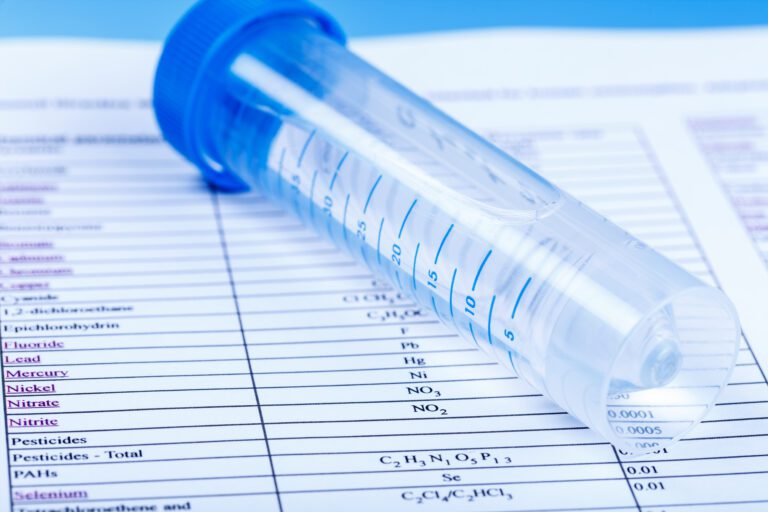
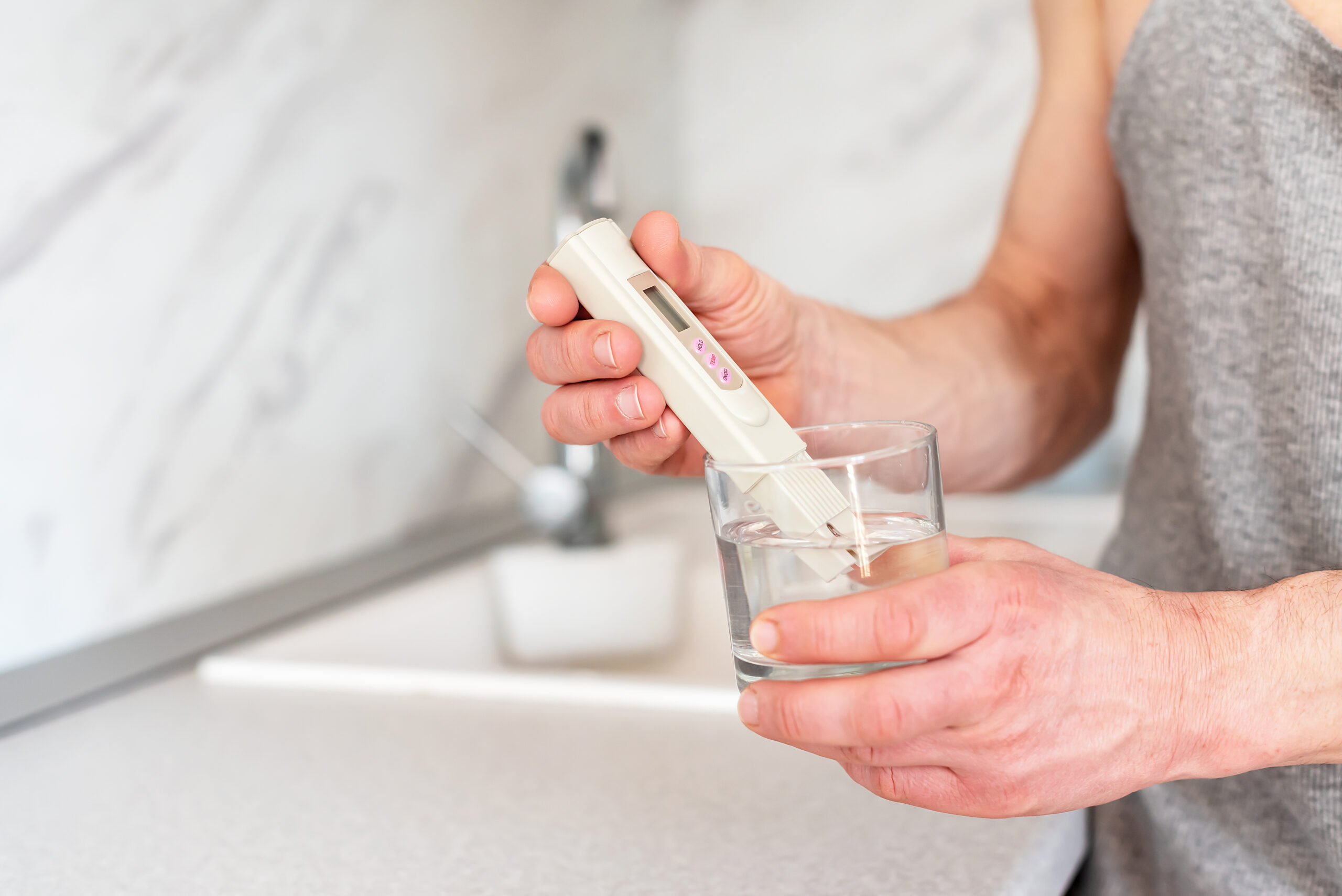
If a water test shows a pH below 7, your water is acidic, and a neutralizer can help bring it back into balance. Testing your water regularly is the best way to catch and address issues early.
Who Benefits the Most from a Water Neutralizer?
- Well Water Users: Private wells are more likely to produce acidic water because they draw from natural sources that can vary in mineral content and pH.
- Homes with Older Plumbing: If your plumbing system contains copper or lead pipes, acidic water can accelerate corrosion and leach harmful metals into your water supply.
- Homeowners Facing Repeated Staining or Damage: If you’re tired of cleaning stains or replacing corroded fixtures, a water neutralizer could save you time, money, and hassle.
When Might You Not Need a Neutralizer?
If your water already has a neutral or alkaline pH (7 or above), a neutralizer isn’t necessary. In this case, you might want to focus on addressing other issues, like hard water or specific contaminants. A professional water test is the best way to determine exactly what your water needs.
At Water Logix, we offer free water testing in Bucks County to help homeowners understand their water chemistry and choose the right solutions. If you’re unsure whether you need a water neutralizer, we’re here to guide you every step of the way.
How Long Do Water Neutralizers Last?
A water neutralizer is a reliable and long-lasting investment for your home, but like any water treatment system, it does require some maintenance to keep it working effectively. The lifespan of a water neutralizer depends on a few factors, including the type of media it uses, your water usage, and the pH level of your water. Let’s break it down.
The media inside a water neutralizer, such as calcite (calcium carbonate) or magnesium oxide, is responsible for neutralizing acidity. Over time, this media dissolves as it interacts with your water. Here’s what you can generally expect:
- Calcite Media: Typically lasts 12 to 24 months before needing replenishment, depending on water usage and the severity of acidity.
- Calcite & Corosex Blends: Magnesium oxide (Corosex) is often blended with calcite for water with a very low pH. This blend is more aggressive at neutralizing acidity but may require more frequent refilling, usually every 6 to 18 months.
Now, the tank itself, which holds the media, is built to last. With proper care and routine maintenance, a neutralizer tank can last 10 to 15 years or more. However, components like valves and seals may require occasional repairs or replacements over time.
Investing in a water neutralizer is a long-term solution for protecting your plumbing and improving water quality. With minimal upkeep and professional support, it can provide peace of mind for many years to come.
Water Neutralizers in Bucks County: Choose Water Logix
When it comes to protecting your home’s water quality, you deserve a team that’s reliable, knowledgeable, and local. At Water Logix, we understand the unique challenges homeowners in Bucks County face, especially when it comes to well water and water quality issues like acidity. That’s why we’re committed to providing tailored solutions, including water neutralizers in Bucks County, to meet your needs.
If you’re wondering, “What does a water neutralizer do, and is it right for me?”, let us help you find the answer. Schedule a consultation with Water Logix today, and we’ll guide you through every step of the process—from testing your water to installing the perfect solution.
Your home deserves pure, safe water, and we’re here to make that happen. Contact us today to learn more about water neutralizers and how they can protect your plumbing, improve your water quality, and give you peace of mind.