
Clean drinking water isn’t just a luxury; it is essential. For many households in Bucks County, Pennsylvania, concerns about PFAS (Per- and Polyfluoroalkyl Substances), often called “forever chemicals,” have grown in recent years. These substances resist breaking down in both the environment and the human body and have been linked to various health issues. Fortunately, carbon filtration offers an effective solution for reducing PFAS in your water.
In this article, we will explore how carbon filtration works for PFAS removal, why it is a trusted method, and steps Bucks County residents can take to ensure their families have access to safer, cleaner drinking water.
What Are PFAS and Why Are They a Problem?
PFAS are a group of man-made chemicals used in a wide range of products, from non-stick cookware and water-repellent fabrics to firefighting foams. While these substances have been useful for industrial and consumer products, they come with a high cost to public health and the environment.
Scientific studies have shown that exposure to PFAS can lead to:
- Developmental delays in children
- Increased risk of certain cancers
- Hormonal imbalances
- Immune system disruptions
These chemicals can make their way into drinking water sources through industrial discharge, landfill runoff, or even household waste. Because PFAS don’t degrade easily, they can persist in groundwater for decades.
How Does Carbon Filtration Work Against PFAS?
Carbon filtration, particularly using activated carbon, is one of the most effective technologies for reducing PFAS in water. Here’s how it works:
Activated carbon has a porous structure and a high surface area that acts like a sponge. When contaminated water flows through a carbon filter, PFAS molecules stick to the carbon surface and are removed from the water stream.
There are two main types of activated carbon:
- Granular Activated Carbon (GAC): Loose granules of carbon; used in large-scale filtration systems and municipal water plants.
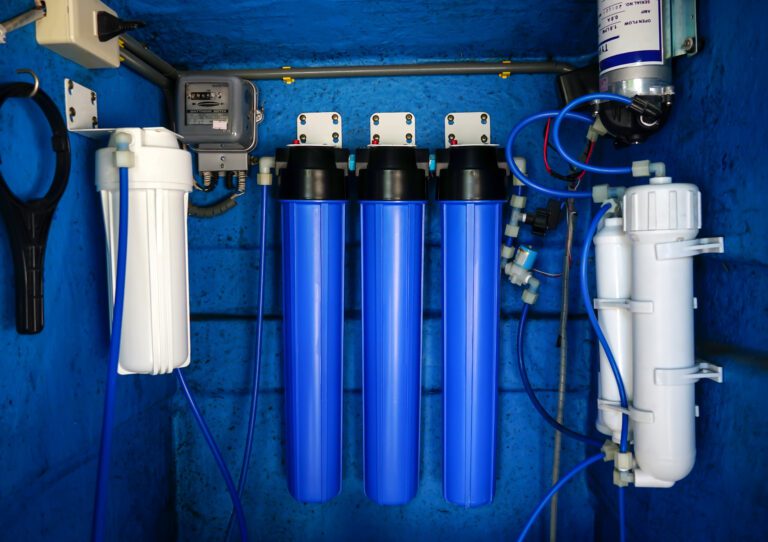
- Carbon Block Filters: Compressed blocks of carbon; often used in under-sink or whole-home filtration systems.
For household use in Bucks County, a properly sized and maintained GAC system or carbon block filter can significantly reduce PFAS levels, making drinking water safer.
Why Is Carbon a Preferred Method for PFOAS Removal?
- Effectiveness: Activated carbon has been proven in numerous studies to reduce PFAS levels, including both long-chain and short-chain compounds.
- Accessibility: Carbon filters are available in various forms—from point-of-use pitchers to whole-home systems—making them accessible to many homeowners.
- Affordability: Compared to more advanced technologies like reverse osmosis, carbon filtration systems are typically more budget-friendly while still delivering strong performance.
- Simplicity: Maintenance generally involves changing the carbon filter at manufacturer-recommended intervals—a simple task that doesn’t require plumbing expertise.
Limitations and Considerations
While carbon filtration is a powerful tool, it’s important to understand its limitations:
- Not all carbon filters are created equal. Only certain systems are rated and tested to remove PFAS effectively.
- Lifespan varies. A carbon filter will eventually reach saturation and stop working. Without timely replacement, PFAS can break through the filter and re-enter your water supply.
- Pre-filtration may be necessary. High sediment levels or other contaminants can reduce the filter’s efficiency. In some homes, a multi-stage system may be more effective.
That’s why working with an experienced provider like Water-Logix is key. We help you select the right system and ensure it performs as needed.
PFAS in Bucks County: What the Data Says
Several communities across Pennsylvania, including areas within Bucks County, have been identified as having elevated PFAS levels due to past industrial and military activities. In fact, public water systems in the region have undertaken significant efforts to test for and mitigate PFAS contamination.
If your home uses well water or if you’re concerned about the safety of your municipal supply, it’s wise to be proactive. Testing your water is the first step. And if PFAS are detected, carbon for PFAS removal is a safe, reliable next move.
Choosing the Right Carbon Filtration System for Your Home
When it comes to protecting your family, one-size-fits-all rarely works. Here are a few tips to choose the right carbon system:
- Start with a Water Test Have your water tested by a qualified provider like Water-Logix. We offer free on-site water testing and laboratory analysis options to detect PFAS and other contaminants.
- Size Your System Correctly The volume of water your household uses and the concentration of PFAS will determine what kind of carbon system is appropriate. Our team can recommend the right model and configuration.
- Prioritize Certification Look for systems certified by NSF International for PFAS reduction. This ensures that the system has been independently tested for performance.
- Don’t Forget Maintenance Changing filters on time is key to ensuring the system continues to work effectively. Water-Logix can set up maintenance reminders or even handle the service for you.
Take Action Today
If you’re concerned about PFAS in your drinking water, you’re not alone. The good news? You have options. And with carbon for PFOAS removal, you can take a simple, effective step toward better health and peace of mind.
Contact Water-Logix for a free water test and personalized recommendation. Let’s make your water safer, together.