The foundation of a healthy home is clean, safe drinking water. Selecting the appropriate water filtration system is crucial for homes that use well water or municipal systems with known pollutants. It can be difficult to choose a system that fits your family’s unique needs with so many possibilities. We at Water-Logix know how important it is to obtain clean drinking water, and we’re here to help you along the way with trustworthy, sympathetic, and knowledgeable guidance.
In this article, we’ll walk you through how to choose a water filter system. We’ll cover the factors to consider, the types of filters available, and tips to ensure you make the best decision for your household. Let’s start by exploring the steps to select a system that delivers the clean water you and your family deserve.
How to Choose a Water Filter System
Understanding the quality of your water, determining the unique requirements of your home, and combining those requirements with the proper filtering technology are all necessary steps in selecting the best water filter system. Here is a detailed guide to assist you in making an informed choice:
1. Test Your Water
Knowing what’s in your water is the first step in selecting a water filtration system. Ask your provider for a water quality report if you use municipal water. Use a DIY test kit or a professional water testing service if you suspect certain pollutants in your well water.
Key Contaminants to Look For:
- Bacteria (e.g., E. coli)
- Heavy metals (e.g., lead, arsenic)
- Chemicals (e.g., pesticides, chlorine)
- Sediments and particulates
- Hard water minerals (e.g., calcium, magnesium)
Understanding your water’s specific contaminants will guide you toward the most effective filtration solution.
2. Determine Your Filtration Goals
Not all households have the same filtration needs. Determine what you want to achieve with your water filter system. Common goals include:
- Removing contaminants like lead or bacteria.
- Improving taste and odor, often caused by chlorine or sulfur.
- Reducing water hardness to prevent scale buildup on appliances.
- Filtering sediment to keep the water clear.
Prioritize your goals based on your water quality report and household requirements.
3. Understand the Types of Water Filter Systems
Different filtration systems are designed to target specific contaminants or serve particular purposes. Here’s a breakdown of common types:
| Filtration System | Purpose / Contaminants Targeted | Typical Use |
|---|---|---|
| Reverse Osmosis (RO) Systems | Removes a wide range of contaminants, including heavy metals, nitrates, and fluoride | Drinking and cooking water |
| UV Purifiers | Kills bacteria and viruses | Homes with microbiological contamination |
| Sediment Filters | Filters out dirt, sand, and debris | Often used as a pre-filter in well water systems |
| Water Softeners | Removes hard water minerals like calcium and magnesium | Prevents scale buildup in plumbing and appliances |
4. Consider Your Household Size and Water Usage
A family of five will have different water filtration needs than a single individual, so it’s important to consider your household’s daily water consumption. For drinking and cooking water, a point-of-use system, such as an under-sink or countertop filter, might be sufficient.
For whole-house filtration, choose a system with a higher flow rate, measured in gallons per minute, to provide enough water for multiple faucets and appliances.
5. Evaluate Installation and Maintenance Requirements
Some systems are easier to install and maintain than others. For example:
- Countertop filters are typically plug-and-play and require minimal setup.
- Under-sink and whole-house systems often require professional installation.
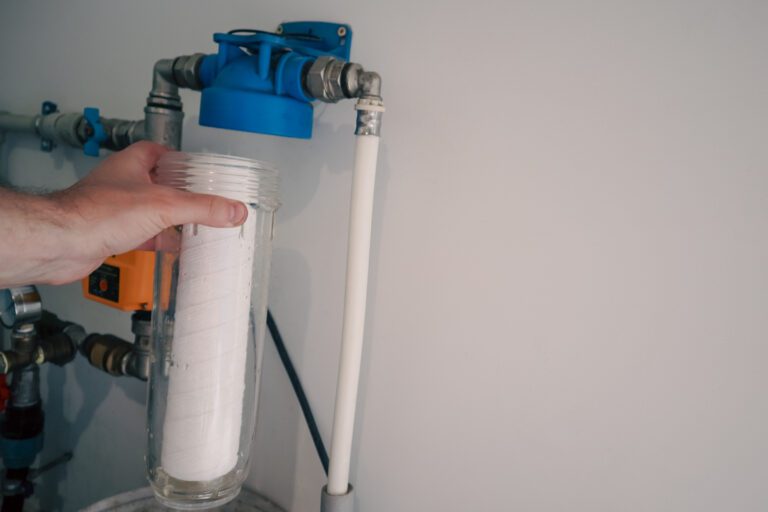
- Consider maintenance tasks, such as replacing filters, cleaning units, or servicing equipment. Ensure the system you choose aligns with your preferred level of involvement.
6. Set a Budget
Water filter systems vary widely in price.
While choosing the cheapest option may be tempting, consider long-term costs such as filter replacements, energy use, and maintenance.
Investing in a quality system can save money and provide peace of mind over time.
7. Research and Compare Options
Take time to research brands and models. Look for systems with:
- NSF/ANSI Certifications: These confirm that the system meets industry standards for contaminant removal.
- Positive customer reviews and testimonials.
- Warranties or satisfaction guarantees.
Reach out to water filtration experts, like Water-Logix, for personalized recommendations.
8. Choose a Trusted Provider
The company you purchase your water filter system from matters. Choose a provider that offers:
- Support during and after installation.
- Expert guidance tailored to your household’s needs.
- Reliable products backed by warranties and certifications.
Most Common Water Filtration Systems
Water filtration systems come in a variety of designs, each tailored to address specific water quality challenges. Understanding these systems in more depth can help you select the right solution for your home and ensure your water is safe, clean, and refreshing. Here’s a closer look at some of the most widely used filtration systems and how they work.
Reverse Osmosis Systems
By eliminating a wide variety of contaminants, reverse osmosis (RO) devices improve filtration.
This procedure uses a semi-permeable membrane to filter out even the tiniest impurities, such as dissolved solids, fluoride, nitrates, and heavy metals like lead and arsenic. For households that are worried about several toxins or who want the best drinking water available, these systems are perfect.
Reverse osmosis systems, on the other hand, usually run more slowly and could waste some water during filtering. Despite these disadvantages, they are a popular option because of their capacity to provide exceptionally pure water, particularly for drinking and cooking applications.
Ultraviolet (UV) Purifiers
For homes that rely on well water or are concerned about microbiological contamination, ultraviolet (UV) purification offers an effective, chemical-free solution. These systems use UV light to neutralize bacteria, viruses, and other microorganisms by damaging their DNA, rendering them unable to reproduce or cause harm.
UV purifiers are excellent at eliminating microbiological pollutants, but they are unable to eliminate chemicals, heavy metals, or sediments. To achieve thorough water treatment, they are therefore frequently employed in conjunction with other filtration techniques like activated carbon or sediment filters.
Sediment Filters
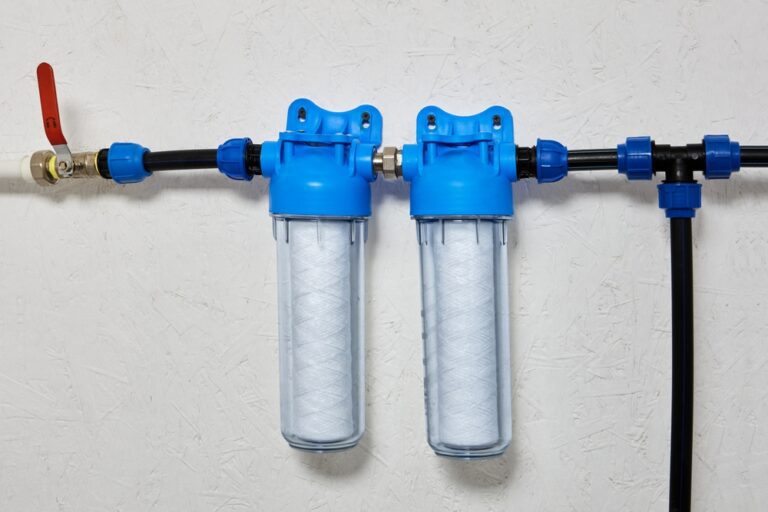
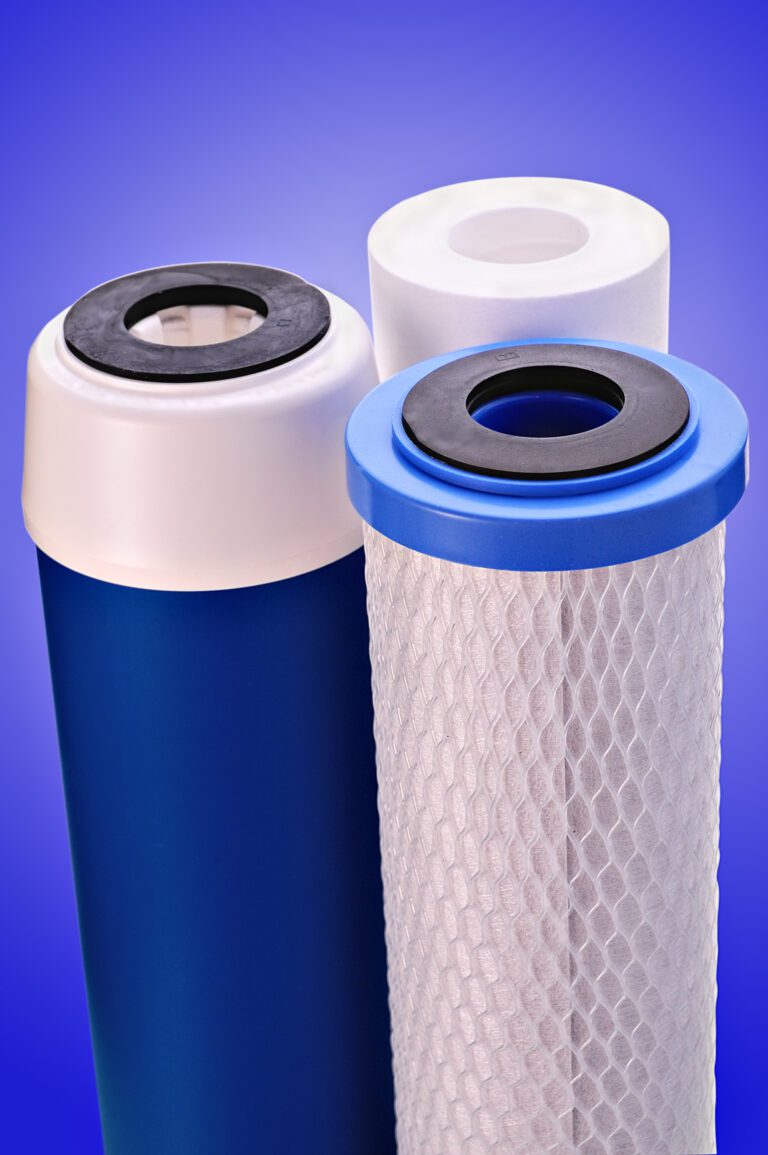
Sediment filters remove physical particles like dirt, sand, and rust from water, improving overall clarity.
They are especially useful for households using well water, where sediment is often noticeable.
By trapping these particles, sediment filters protect other filtration systems from clogging and reduce wear on plumbing fixtures.
While they don’t address chemical or biological contaminants, sediment filters are an essential first stage in multi-stage filtration systems.
Serving as the first line of defense, they help keep water free of visible impurities before it reaches other filters.
Water Softeners
In areas with hard water, water softeners play a crucial role in maintaining the longevity of household plumbing and appliances. These systems use a process called ion exchange to remove calcium and magnesium, the minerals responsible for water hardness. By replacing these minerals with sodium or potassium, water softeners prevent scale buildup, which can damage water heaters, dishwashers, and other appliances.
While water softeners are excellent for addressing hard water issues, it’s important to note that they do not filter out other contaminants, such as bacteria or chemicals, making them best suited as part of a broader water treatment strategy.
Whole-House Filtration Systems
Whole-house filtration systems provide clean water for every use, including drinking, cooking, bathing, and cleaning.
Installed at the main water entry point, these systems can be customized to target specific concerns like sediment, chlorine, or iron.
They combine different filtration technologies, such as activated carbon and sediment filters, to maintain consistent water quality throughout the home.
While the initial investment may be higher, the convenience of filtered water at every tap often outweighs the cost.
Particularly beneficial for larger households or homes with diverse water quality challenges.
Making the Right Choice for Your Home
Access to clean, safe water is essential for your family’s health and well-being. Choosing the right water filter system becomes simple when you understand your water’s unique needs and the available options. From addressing contaminants like lead or bacteria to solving issues such as hard water or sediment, the right system can improve water quality and enhance everyday life.
At Water-Logix, we help homeowners make informed decisions about water filtration. Whether you need professional water testing, guidance on selecting a system, or installation services, our experienced team provides reliable, high-quality support every step of the way.
Every home’s water challenges are different, so we offer personalized recommendations based on your household’s specific needs. From whole-house systems to targeted drinking water solutions, we deliver expertise and care that fits your budget and goals.
Don’t leave your water quality to chance. Let Water-Logix help you achieve peace of mind with clean, safe, and pure water for your home. Contact us today to schedule a consultation or learn more about our water filtration services. Together, we’ll ensure your family has access to water that meets the highest standards of safety and taste.