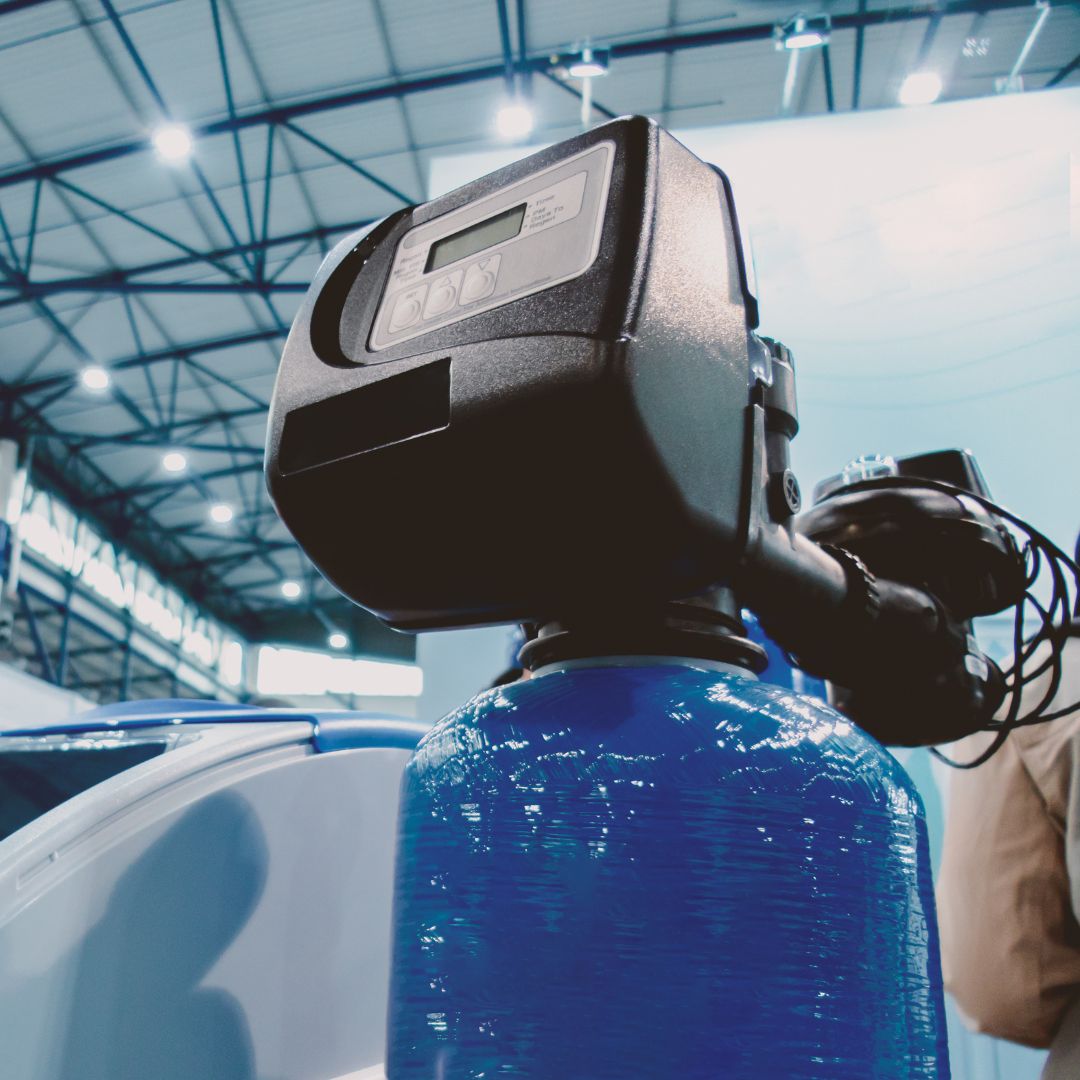
If you’ve discovered elevated arsenic levels in your Pennsylvania home or business, you’re not alone. It is a problem that should be addressed promptly. Arsenic is a naturally occurring contaminant that is tasteless, odorless, and invisible, yet it can pose serious health risks when it enters private wells or public water systems.
The good news is that effective solutions exist, and one of the most reliable is an ion exchange system for arsenic removal.
Whether you rely on a private well in rural PA or a community water supply, understanding your options for arsenic removal is essential. In this guide, we will explain the health risks of arsenic exposure, how ion exchange removes it from your water, when this method is most effective, and why professional installation matters.
By the end, you will have the knowledge to make a safe and confident choice for your water and your family’s health.
Health Risks of Arsenic in Drinking Water
Arsenic might sound like something from a crime novel, but in reality, it is far more common—and much closer to home, especially in Pennsylvania. This naturally occurring element is present in rocks and soil, and over time, it can seep into groundwater. If you rely on a private well, as many Pennsylvanians do, your water could be affected without your knowledge.
According to the U.S. Environmental Protection Agency (EPA), long-term exposure to arsenic in drinking water has been linked to serious health concerns. These include skin damage, problems with the circulatory system, and an increased risk of cancer of the bladder, lungs, liver, and kidneys. Children are especially vulnerable to these effects because their bodies are still developing.
The EPA has set the maximum contaminant level for arsenic in public drinking water at 10 parts per billion (ppb). However, private wells are not regulated under federal law, so it’s up to homeowners to test their water regularly and take appropriate steps to reduce arsenic levels. In Pennsylvania, the Department of Environmental Protection (DEP) recommends annual water testing for private well owners to catch contaminants like arsenic early.
What makes arsenic particularly dangerous is that it’s colorless, odorless, and tasteless. That means you won’t know it’s there without proper testing. If you’ve recently had your water tested and it came back with high arsenic levels, don’t panic—but do act quickly.
This is where using an ion exchange system to remove arsenic from your water can make a big difference. It’s a reliable, science-backed solution that can help protect your household from long-term exposure risks.
How an Ion Exchange System Removes Arsenic from Your Water
Now that we’ve covered why arsenic is a serious health concern, let’s explore how an ion exchange system removes it from your water. The process may sound technical, but we will break it down in a way that is easy to understand.
Ion exchange is a proven water treatment method that’s been widely used in both residential and industrial settings for decades. At its core, the system functions a bit like a magnet for contaminants. It replaces unwanted ions (like arsenic) in the water with more desirable ones, such as chloride.
Here’s how it works:
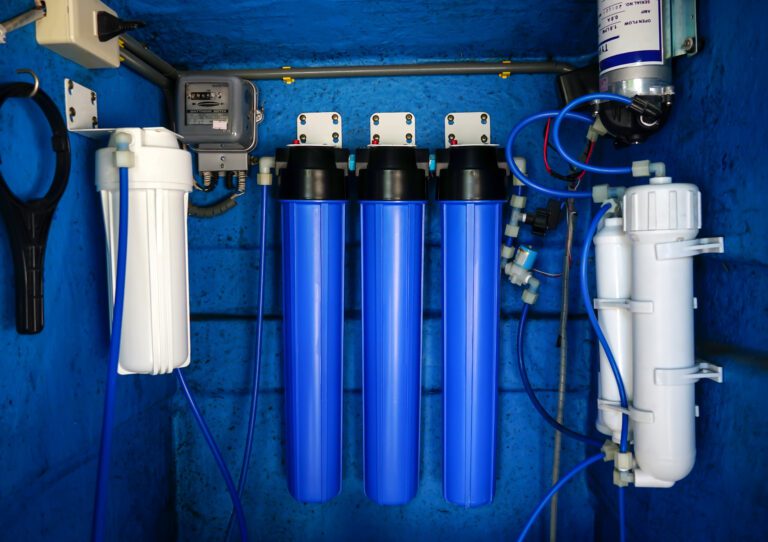
- Water flows through a special resin bed inside the ion exchange tank. This resin is typically made up of tiny, negatively charged beads.
- Arsenic in the water binds to the resin, effectively getting “stuck” while chloride or another safe ion is released into the water in its place.
- Clean, arsenic-reduced water exits the system, ready for safe use in drinking, cooking, bathing, and more.
One of the big advantages of this method is that it targets arsenic(V), the oxidized form of arsenic, which is more common in well water in Pennsylvania. However, if your water contains arsenic(III) (the reduced form), it may require pre-treatment such as oxidation or chlorination to convert it into arsenic(V) before the ion exchange process can be effective.
It’s worth noting that ion exchange systems do more than just remove arsenic—they can also tackle other contaminants like nitrates, uranium, and sulfates, depending on the resin type. This makes them a great multi-purpose option for homes and businesses dealing with multiple water quality issues.
So, if you’re facing elevated arsenic levels, an ion exchange system to remove arsenic from your water offers a powerful, science-backed solution that works efficiently and consistently. But when exactly is it the best option? That’s what we’ll cover next.
When Is Ion Exchange the Best Option for Arsenic Removal?
Choosing the right method to reduce arsenic in your water is not one-size-fits-all. While several treatment technologies exist, such as reverse osmosis, activated alumina, and coagulation-filtration, an ion exchange system is often the most effective solution under certain conditions.
So, how do you know when ion exchange is the way to go? Here are the key factors:
1. Your Water Contains Arsenic(V)
Ion exchange is most effective when dealing with arsenic in its oxidized form—arsenic(V). In Pennsylvania, arsenic(V) is more common in areas where groundwater is slightly more oxygen-rich, often in shallower wells or in systems where water is exposed to air. If your water test identifies this form of arsenic, you’re likely a good candidate for ion exchange.
If your test shows arsenic(III), don’t count out ion exchange just yet! With a simple pre-treatment like chlorination or ozone injection, the arsenic(III) can be converted into arsenic(V), making ion exchange a viable solution.
2. You Have a Private Well
Many private well owners in Pennsylvania deal with naturally occurring arsenic due to the state’s geological makeup. Ion exchange systems are an ideal choice for these households because they’re scalable, efficient, and can be installed at the point-of-entry to treat all the water entering your home.
3. Your Water Has Low TDS and Competing Ions
TDS, or Total Dissolved Solids, can affect the performance of an ion exchange system. If your water is relatively low in TDS and doesn’t have high levels of sulfates, nitrates, or phosphates, the resin in the system will last longer and perform better. A professional water analysis can confirm this for you.
4. You Want a Low-Maintenance Solution
Compared to other systems, ion exchange is fairly straightforward to maintain. Once installed, the resin simply needs to be regenerated periodically using a salt solution—similar to how a water softener works. This can often be automated, making it a low-effort, long-term option for busy households and small businesses.
In short, if your home in Pennsylvania has arsenic(V) in the water, comes from a private well, and you’re looking for a practical and efficient solution, an ion exchange system to remove arsenic from your water could be exactly what you need.
Professional Installation of an Ion Exchange System
While there are many DIY solutions available for basic water filtration, installing an ion exchange system to remove arsenic from your water is something best left to professionals—especially when your health is on the line.
A professionally installed system ensures that:
- The right type of resin is selected based on your specific water chemistry
- Pre-treatment steps like oxidation (if needed) are correctly applied
- Proper flow rates and system sizing are used to guarantee optimal performance
- Long-term maintenance plans are put in place to keep your system running smoothly
At Water-Logix, we specialize in tailored water treatment solutions for Pennsylvania homes and businesses. We understand the unique groundwater conditions in our state and provide systems tailored to address issues such as arsenic, nitrates, iron, and more. Our team tests and analyzes your water, then recommends and installs the best solution—so you never have to guess.
When you choose Water-Logix, you’re not just getting a high-quality system—you’re gaining a local partner who understands Pennsylvania water challenges inside and out. Our goal is to make the process easy, transparent, and fully customized to your needs.
Contact Water-Logix today to schedule a free consultation and take the first step toward safer water for your home or business.