
If you live in Bucks County, PA, you might have heard concerns about PFAS in water—a group of synthetic chemicals known for their persistence in the environment and potential health risks. But what does this mean for you and your household?
This article will explore the question ”are there PFAS in Bucks County, PA? We discuss whether the local water is safe to drink, and how you can determine if your home’s water supply contains these chemicals. Our goal is to provide clear, reliable information so you can make the best decisions for your family’s health.
What Are PFAS?
PFAS are a group of man-made chemicals that have been used in a wide range of consumer products for decades. These chemicals are valued for their ability to resist heat, water, and grease, which is why they’ve been commonly used in:
- Nonstick cookware (such as Teflon pans)
- Stain-resistant fabrics and carpets
- Waterproof clothing
- Food packaging (like microwave popcorn bags)
- Firefighting foams
One of the biggest concerns about PFAS in water is that these chemicals do not break down easily. Because of this, they accumulate over time in the environment and in our bodies, earning them the nickname “forever chemicals.” Research has linked PFAS exposure to potential health risks, including:
- Increased cholesterol levels
- Weakened immune system response
- Hormone disruption
- Increased risk of certain cancers
- Developmental delays in infants and children
Since PFAS are so persistent, they can seep into groundwater, rivers, and lakes—contaminating drinking water sources. This raises the critical question: Are there PFAS in Bucks County, PA?
Are There PFAS in Bucks County, PA?
Yes, PFAS contamination has been identified in various areas within Bucks County, PA. Notably, communities such as Warminster, Warrington, and Horsham have experienced elevated levels of these chemicals in their water supplies. Investigations have traced the contamination sources to nearby military bases, where firefighting foams containing PFAS were historically used.
In East and West Rockhill Townships, the Pennsylvania Department of Environmental Protection (DEP) identified a local business as the source of PFAS contamination affecting private wells. The DEP continues to collaborate with affected homeowners to install in-home treatment systems to remove PFAS from their water.
There are a few important takeaways for Bucks County residents:
- PFAS Can Travel Through Groundwater – Even if your home isn’t in a known contamination zone, PFAS chemicals can migrate through underground water sources. If you rely on well water, you may be at a higher risk, as wells are not regulated like public water systems.
- Regulations Are Evolving – The Environmental Protection Agency (EPA) and Pennsylvania state agencies are setting stricter limits on PFAS in water, but these regulations take time to implement. Even if water utilities are working to reduce contamination, there may still be low levels of PFAS in some water supplies.
- Public Water vs. Private Wells – If you’re on municipal water, your local provider is required to test for PFAS and take action if levels exceed the legal limit. However, if you have a private well, the responsibility falls on you to ensure your water is safe. That’s why regular well water testing is crucial.
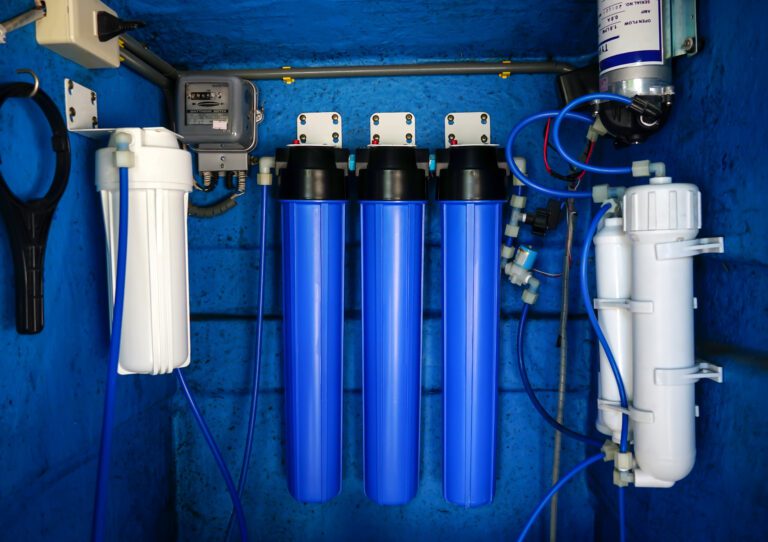
- Filtration Solutions Exist – If you’re concerned about PFAS in Bucks County, high-quality filtration systems—such as activated carbon filters and reverse osmosis systems—can effectively reduce or remove these chemicals from your drinking water.
The reality is that PFAS contamination isn’t just a Bucks County issue—it’s a national concern. The good news is that awareness is growing, regulations are tightening, and solutions are available to protect your home’s water quality.
Is Bucks County Water Safe to Drink?
The short answer: It depends on where you live and your water source. If your home is connected to a municipal water system, your water provider is required to test for PFAS in water and take corrective action if contamination levels exceed federal or state limits. Many water utilities in Bucks County have already implemented filtration upgrades to remove or reduce PFAS in Bucks County drinking water.
For example:
- Some local water authorities have installed granular activated carbon (GAC) filters to help reduce PFAS levels.
- Water suppliers must comply with state and federal PFAS regulations, ensuring that public drinking water meets safety standards.
- Regular testing is conducted, and results are often published in annual water quality reports.
While public water systems take precautions, low levels of PFAS may still be present, even if they are below regulatory limits.
PFAS in Private Wells
If you rely on well water, the responsibility to ensure your water is safe falls on you. Unlike public water systems, private wells are not routinely tested for PFAS unless the homeowner arranges for testing. Given that some areas in Bucks County have known PFAS contamination, well owners should be proactive in testing and treating their water.
What Can You Do to Ensure Safe Drinking Water?
- Check Your Local Water Report – If you’re on public water, review your water supplier’s annual water quality report. If PFAS are detected, the report should outline what steps are being taken.
- Test Your Well Water – If you use a private well, schedule a professional water test to check for PFAS and other contaminants.
- Consider a Filtration System – If PFAS are present in your water, activated carbon filters or reverse osmosis systems are highly effective at reducing contamination.
- Stay Informed – PFAS regulations and filtration technologies are evolving. Keeping up with the latest information can help you make the best choices for your household.
In short, Bucks County water can be safe to drink, but if you have concerns, testing and filtration are the best ways to ensure your family’s health and safety.
How Do I Know If My Drinking Water Has PFAS?
If you’re concerned about PFAS in Bucks County, PA, the only way to know for sure is through professional water testing. Because PFAS are odorless, tasteless, and invisible, you won’t notice them in your drinking water—but they could still be present.
At Water-Logix, we help homeowners take control of their water quality by offering comprehensive well water testing and installing the right PFOA filter in Bucks County for your home. Here’s how you can find out if your water has PFAS in water and what to do next.
1. Check Your Local Water Quality Report
If you’re on public water, your local water supplier is required to test for PFAS in Bucks County and provide annual reports. You can:
- Look up the Consumer Confidence Report (CCR) on your water provider’s website.
- Call your local utility and ask if PFAS has been detected in your service area.
Keep in mind that even if PFAS levels are within legal limits, they may still be present in small amounts.
2. Get Your Water Professionally Tested
If you rely on private well water, or want an accurate analysis of your home’s water quality, testing is essential. Water-Logix provides well water testing services to check for PFAS and other contaminants, ensuring you get reliable results.
🔹 Why choose professional testing?
- We use state-certified labs to provide precise results.
- We help you interpret your test results and recommend the best next steps.
- Testing is the only way to know if your drinking water is truly safe.
3. Install a Filtration System to Protect Your Home
If your test results show PFAS in Bucks County water, or if you simply want peace of mind, Water-Logix offers trusted filtration solutions that effectively remove PFAS and other contaminants.
Take Action Today – Water-Logix Is Here to Help
At Water-Logix, our goal is simple: safe, pure drinking water for every home. If you’re unsure about PFAS in your water, don’t wait—schedule a water test today and let us help you protect your family.