
Clean and safe drinking water is essential for every household, yet many homeowners face a hidden threat: arsenic contamination. While naturally occurring in groundwater, arsenic can pose serious health risks when consumed over time. If you rely on a private well or suspect your water may be affected, understanding arsenic removal from water is crucial to protecting your family’s health.
Fortunately, effective solutions exist to address this issue. From specialized filtration systems to expert water treatment services, homeowners have options to verify that their water meets safety standards. In this guide, we’ll explore the causes of arsenic contamination, the best removal methods, and how to stay compliant with local regulations. By the end, you’ll have a clear path to safer, cleaner drinking water, because peace of mind starts with what comes out of your tap.
Understanding Arsenic Contamination
Arsenic is a naturally occurring element found in rocks, soil, and groundwater. In many areas across the U.S., arsenic can seep into well water through natural geological processes. While this contaminant is invisible, tasteless, and odorless, its presence in drinking water can have serious health implications.
Health Risks of Arsenic in Drinking Water
Long-term exposure to arsenic has been linked to a variety of health problems, including:
- Increased Cancer Risk – The U.S. Environmental Protection Agency (EPA) classifies arsenic as a carcinogen, meaning prolonged exposure can increase the risk of skin, lung, bladder, and kidney cancers.
- Cardiovascular Issues – Studies suggest that arsenic exposure may contribute to high blood pressure and heart disease.
- Neurological Effects – Arsenic can impact brain function, leading to cognitive issues and developmental problems, particularly in children.
- Skin Conditions – High arsenic levels have been associated with skin discoloration, lesions, and other dermatological problems.
Because arsenic contamination isn’t easily detected without proper testing, homeowners relying on private wells must take proactive steps to ensure their water is safe.
How Arsenic Gets into Your Water Supply
While municipal water systems are regularly monitored for contaminants, private wells are not subject to the same regulations. Arsenic in well water typically originates from:
- Natural Rock Formations – Arsenic is released into groundwater as minerals break down.
- Agricultural Runoff – Fertilizers, pesticides, and livestock waste can introduce arsenic into nearby water sources.
- Industrial Pollution – Past industrial activities may have contributed to arsenic levels in certain areas.
Given the potential risks, testing your well water is the first step toward ensuring it is free from harmful levels of arsenic. If testing confirms contamination, the next step is identifying the right arsenic removal from your water supply.
Arsenic Removal from Water: Solutions and Challenges
Once arsenic contamination is confirmed in your water supply, the next step is finding an effective treatment solution. Arsenic removal from water requires specialized filtration methods, as boiling or standard water filters won’t eliminate this contaminant.
Effective Arsenic Removal Methods
Several treatment options are available to reduce arsenic levels in drinking water. The best choice depends on factors like the concentration of arsenic, water usage, and household needs.
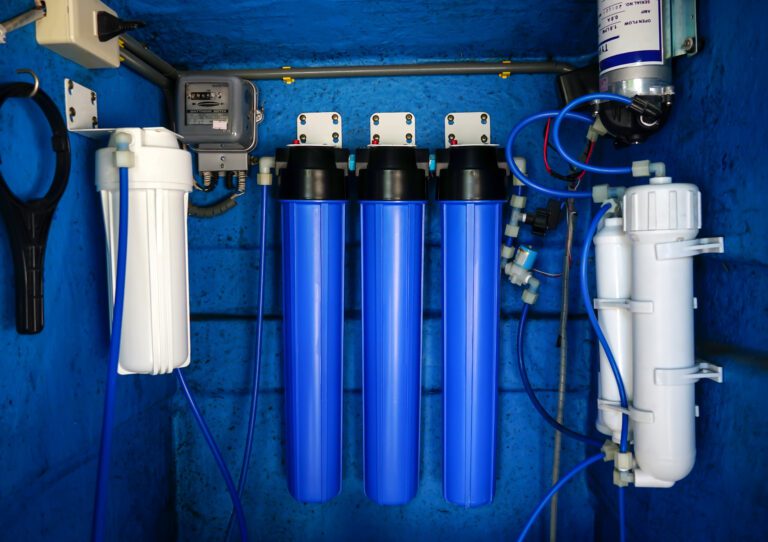
- Reverse Osmosis (RO) Systems – A popular choice for arsenic removal, reverse osmosis systems use a semi-permeable membrane to filter out arsenic and other harmful contaminants. These systems are typically installed under the sink and are effective for drinking and cooking water.
- Adsorptive Media Filters – These specialized filters contain materials like iron oxide or activated alumina, which attract and trap arsenic particles. They are often used in whole-house filtration systems to treat all water sources in the home.
- Ion Exchange Systems – Similar to water softeners, ion exchange systems replace arsenic with a harmless substance, such as chloride. This method works well for households with high arsenic levels but requires regular maintenance.
- Oxidation and Filtration – This multi-step approach involves oxidizing arsenic to convert it into a more easily removable form, followed by filtration to remove it from the water.
Challenges in Arsenic Removal
While these solutions are highly effective, there are a few challenges homeowners may face when dealing with arsenic removal from water:
- Variability in Arsenic Levels – Arsenic levels can fluctuate over time, meaning routine testing is necessary to ensure consistent water quality.
- System Maintenance – Some filtration methods, like ion exchange and adsorption media, require regular filter changes and monitoring to remain effective.
- Cost Considerations – While reverse osmosis and whole-house filtration systems provide excellent arsenic removal, they do require an upfront investment. However, the long-term health benefits far outweigh the costs.
Investing in the right arsenic removal system is essential for maintaining safe drinking water, but it’s equally important to ensure compliance with local regulations.
Regulations and Compliance
Access to safe drinking water is not only a personal health priority but also a matter of regulatory compliance. While municipal water systems must adhere to strict federal and state guidelines, private well owners are responsible for their own water quality. Understanding the legal requirements and best practices for arsenic removal from water is key to maintaining safe water for your household.
EPA and Pennsylvania State Standards for Arsenic in Water
The U.S. Environmental Protection Agency (EPA) has set the maximum contaminant level (MCL) for arsenic in drinking water at 10 parts per billion (ppb). Public water suppliers must comply with this limit, regularly testing and treating water to ensure it meets safety standards.
For homeowners relying on private wells, there are no mandatory federal regulations, but the Pennsylvania Department of Environmental Protection (DEP) strongly recommends testing well water at least once a year, especially for arsenic. If your water exceeds the 10 ppb limit, taking corrective action is essential.
Testing and Monitoring Arsenic Levels
If you use a private well, testing is your first line of defense. Here’s how to make sure your water quality is compliant:
- Schedule Regular Water Testing – Certified water testing labs can analyze arsenic levels and identify other potential contaminants.
- Monitor Your Filtration System – If you already have an arsenic removal system in place, periodic testing confirms it’s still functioning effectively.
- Check for Regulatory Updates – Guidelines for arsenic levels may change, so staying informed helps ensure long-term compliance.
What Happens if Your Water Exceeds Safe Arsenic Levels?
If your water test results show arsenic levels above 10 ppb, immediate action is necessary. Local health departments or water treatment specialists, like Water-Logix, can help assess your situation and recommend the best removal solution.
Ignoring high arsenic levels isn’t an option—prolonged exposure increases health risks, and in some cases, local authorities may require action to protect public health. Ensuring compliance not only safeguards your family but also helps maintain your property’s value.
With the right removal system in place, homeowners can take proactive steps to keep their drinking water safe. Next, we’ll explore the best practices for maintaining arsenic-free water in your home.
Best Practices for Homeowners
When it comes to arsenic removal from water, one of the most important things homeowners need to understand is this: arsenic removal is not a DIY project. Unlike simple water filtration for taste or odor, reducing arsenic to safe levels requires specialized treatment systems, expert knowledge, and ongoing maintenance.
Why You Should Always Call the Experts
Many homeowners make the mistake of thinking that a standard water filter or a DIY approach can eliminate arsenic. Unfortunately, most consumer-grade filters, including common pitcher filters and even refrigerator water dispensers, do not remove arsenic. Attempting to handle this issue without professional help can lead to:
- False Sense of Security – Without proper installation and monitoring, you might assume your water is safe when it isn’t.
- Ineffective Treatment – Many DIY arsenic removal methods fail to bring levels down to the EPA’s safe standard of 10 ppb or lower.
- Unintended Water Quality Issues – Some treatment options, if not properly maintained, can cause other water quality problems, such as increased sodium levels or bacterial growth.
What a Professional Arsenic Removal Service Provides
Certified water treatment experts have the training, equipment, and expertise to ensure your water is safe for consumption. Here’s what a professional service can do for you:
- Comprehensive Water Testing – Experts perform detailed water analysis to determine the exact level of arsenic and any additional contaminants that may require treatment.
- Custom Water Treatment Solutions – Not all arsenic removal methods work the same. Professionals will design a system tailored to your home’s specific needs.
- Proper Installation & Maintenance – Arsenic filtration systems require precise installation and regular servicing for continued effectiveness. Experts handle everything from setting up your system to replacing filters or media when needed.
- Ongoing Water Monitoring – Arsenic levels in well water can fluctuate. Professionals provide scheduled testing and maintenance to guarantee long-term safety.
By trusting professionals from the start, you ensure that your family’s water is safe, your system is installed correctly, and you stay compliant with safety regulations. The best thing you can do? Call the experts at Water-Logix today. Our team specializes in arsenic removal from water, providing reliable, long-term solutions that give you peace of mind.