Clean, safe drinking water isn’t just a preference, it’s a necessity for every family and household. But in recent years, concern has grown around the presence of PFAS in our local water sources. Often called “forever chemicals,” PFAS can stay in the environment and in the human body for decades.
At Water-Logix, our mission is simple: protect your water and give you peace of mind. This guide walks you through what PFAS are, how to test for them in well water, treatment options available locally, and why PFAS water testing is an essential step for homeowners relying on groundwater.
What Are PFAS in Drinking Water?
PFAS, or per- and polyfluoroalkyl substances, are a group of synthetic chemicals that have been used in a wide range of products since the 1940s. From non-stick cookware and waterproof clothing to firefighting foams and industrial processes, these compounds are prized for their resistance to heat, oil, stains, and water. But that same durability is also what makes them problematic.
In drinking water, PFAS don’t break down easily. Once they enter the water supply, whether through industrial discharge, landfill runoff, or firefighting foam, they can persist for decades. Unfortunately, several sites across Pennsylvania have been identified as PFAS contamination hotspots due to military installations and manufacturing activity.
Why does this matter? Studies have linked long-term PFAS exposure to serious health issues, including:
- Increased cholesterol levels
- Hormonal disruption
- Lowered immune response
- Certain types of cancer
- Developmental effects in children
The challenge is that PFAS contamination is invisible and tasteless. You won’t see it. You won’t smell it. But it could be there if your home relies on a private well and isn’t connected to a regulated municipal water system.
That’s why regular, accurate water testing for PFAS is so important. It’s the only way to know for sure what’s coming out of your tap.
How to Test for PFAS in Well Water
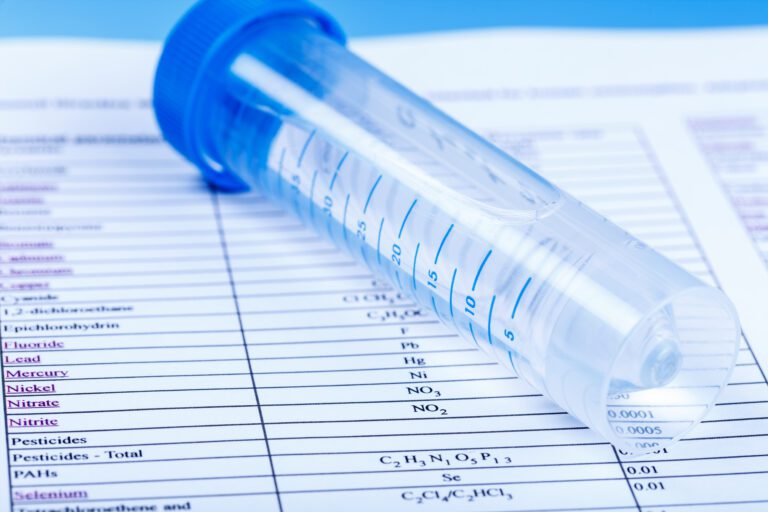
If you’re a homeowner using a private well, testing for PFAS isn’t just a precaution; it’s a responsibility. Because PFAS cannot be detected by sight, smell, or taste, specialized laboratory testing is the only way to determine whether your water is contaminated.
Here’s how PFAS water testing typically works:
1. Sample Collection
The process begins by collecting a water sample from your kitchen tap or well line. It’s important that this is done using PFAS-free equipment and containers to avoid cross-contamination. At Water-Logix, we handle this step with care, using certified clean materials and procedures.
2. Certified Lab Testing
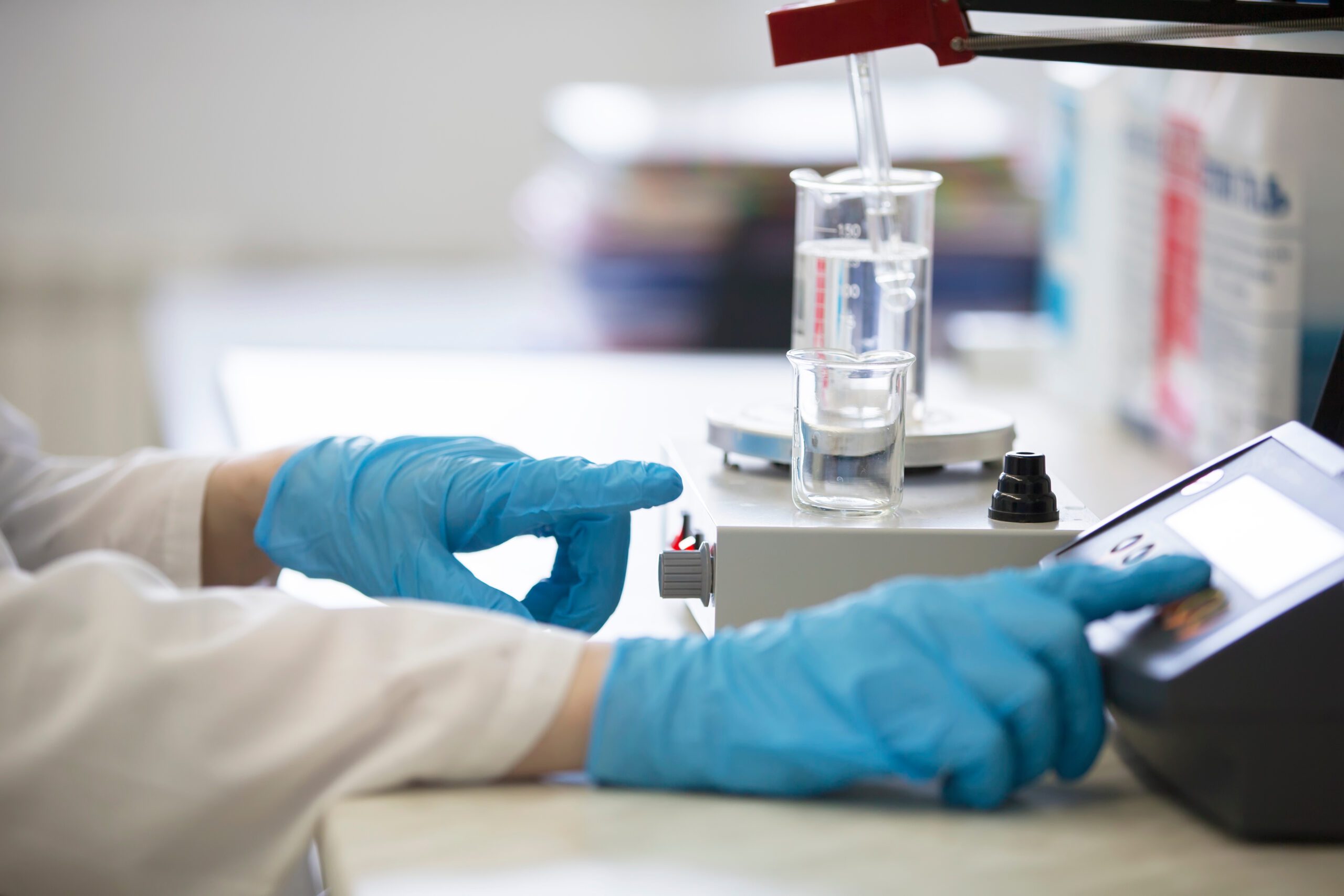
The sample is then sent to a certified laboratory that uses methods such as EPA Method 537.1 or Method 533. These tests can detect even trace levels of dozens of PFAS compounds, including PFOA and PFOS, the most common offenders.
3. Accurate Reporting
Once the results are returned, we walk you through them line by line. We don’t just hand you a report; we explain what the numbers mean, which compounds were detected, and how those levels compare to state and federal safety guidelines.
4. Follow-up Consultation
If PFAS are detected, we’ll help you understand your treatment options. Not every system works for every contaminant, so it’s critical to choose the right filtration technology for your water’s specific profile.
In 2023, Pennsylvania established a maximum contaminant level (MCL) for two PFAS compounds in drinking water: 14 parts per trillion (ppt) for PFOA and 18 ppt for PFOS. If your water exceeds these limits—or comes close—action should be taken immediately.
Water-Logix offers PFAS water testingthat’s reliable, local, and backed by a commitment to protecting your health. Testing your well water is the first step toward safer, cleaner water at home.
Can PFAS Be Filtered Out of Water?
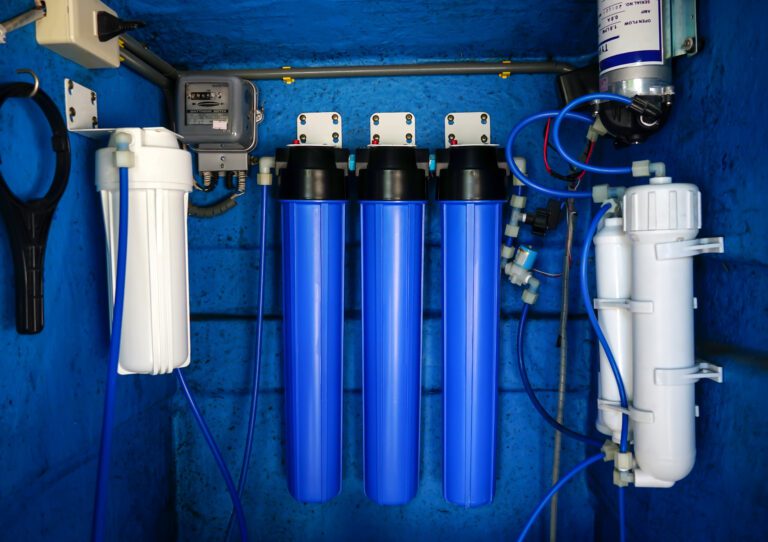
Yes—PFAS can be filtered out of water, but not with just any filter. Because of their chemical structure, PFAS are extremely resistant to conventional water treatment methods. Boiling water won’t help. Basic pitcher filters usually won’t either. Effective PFAS removal requires specialized filtration technologies that have been tested and proven to reduce these contaminants to safe levels.
Here are the most reliable filtration methods for removing PFAS from well water:
1. Granular Activated Carbon (GAC)
GAC systems are one of the most common and effective methods. They work by adsorbing PFAS molecules onto activated carbon. These systems are ideal for whole-house filtration and are especially useful when installed at the point of entry (POE) to treat all the water coming into your home.
2. Reverse Osmosis (RO)
RO systems force water through a semipermeable membrane, removing a wide range of contaminants—including many PFAS compounds. RO is typically used at the point of use (POU), such as under the kitchen sink, for drinking and cooking water.
3. Ion Exchange Resins
These systems replace PFAS ions in the water with other, less harmful ions. Ion exchange technology is often used in combination with GAC or RO for optimal results, especially in areas with high levels of PFAS.
Each of these systems has its advantages, and the right solution depends on your water chemistry, well setup, and household needs. At Water-Logix, we don’t believe in one-size-fits-all answers; we test, analyze, and recommend a filtration system tailored to your specific situation.
Removing PFAS isn’t just about installing a system; it’s about ongoing monitoring and maintenance. We stand with families by offering annual testing, system maintenance, and personal support every step of the way.
PFAS Water Treatment Solutions
PFAS contamination has become a growing concern, especially in communities near former military bases, manufacturing sites, and areas impacted by historical use of firefighting foams. Many homeowners have already experienced PFAS issues in municipal and private water systems, prompting state and local action.
If you’re a well owner, you are responsible for the safety of your water. That’s why Water-Logix offers PFAS water treatment options that are not only effective but also personalized for your home’s needs.
Our local approach includes:
- In-home water testing for PFAS using state-certified labs
- Expert system design based on your well and plumbing setup
- Installation of treatment systems, such as carbon filtration or reverse osmosis
- Ongoing service and support to ensure long-term performance
- Education and transparency—because you deserve to know what’s in your water
What sets us apart is that we’re not a national chain; we’re your neighbors. We understand the local geology, groundwater conditions, and regulatory updates specific to the area you live in. And we treat your water as if it were our own.
No matter where you are located, PFAS water treatment isn’t something to delay. Contaminants don’t go away on their own, and the sooner you act, the better you can protect your health and peace of mind.
PFAS Water Testing for Peace of Mind
If you rely on a private well, routine testing isn’t just a box to check; it’s your front line of defense. PFAS water testing is essential because these contaminants often go undetected until health concerns arise or a neighborhood is flagged for contamination.
At Water-Logix, we offer professional, dependable PFAS testing services tailored for homes and residences. We believe that safe drinking water should never be a question mark, and we’re here to make sure you get the answers and solutions you need.
Why homeowners trust Water-Logix:
- We’re local and familiar with the groundwater challenges across the region.
- We partner with certified labs to deliver accurate, actionable test results.
- We offer testing packages that include PFAS screening as part of a full well water analysis.
- We provide honest recommendations—no upsells, just solutions.
- We’re fully committed to protecting your family’s health and your water quality for the long run.
If you’re not sure when your water was last tested or if it’s never been tested for PFAS, now is the time. With contamination cases documented across southeastern Pennsylvania, early detection and treatment are key to staying ahead of the risk.
When you work with Water-Logix, you’re not just checking a task off your list. You’re taking a proactive, empowered step toward safer water for your entire household.