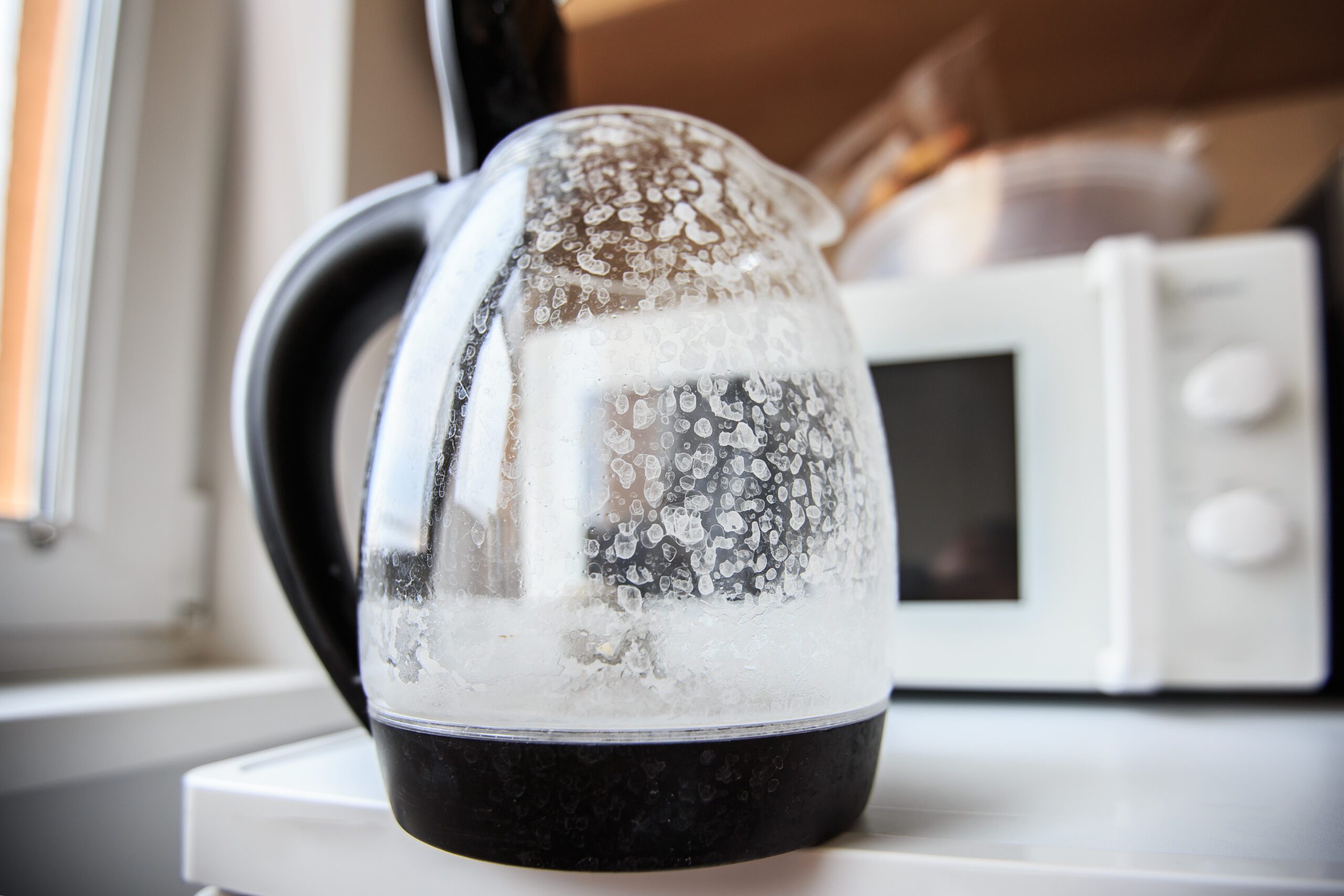
If you’ve noticed stubborn soap scum, crusty white buildup around your faucets, or laundry that never feels quite clean, hard water could be the reason. Whether your water comes from a private well or a public supply, water hardness is a common issue across the region.
At Water-Logix, we believe every family deserves clean, healthy water, and that starts with knowing what’s in yours. That’s why we offer a free hard water test for homeowners. No pressure. Just clear answers to help you make the best decision for your home and health.
In this guide, we’ll explain what hard water is, how to test for it (even without a kit), and how to take the next step if your water is harder than it should be.
How Common is Hard Water?
Many regions deal with hard water to some degree. While the exact level can vary from town to town and even home to home, the presence of calcium, magnesium, and other minerals in our water supply is common across this region of Pennsylvania.
If you’re getting water from a public source, local municipalities may treat the water for safety, but hardness isn’t always fully removed. In fact, many local residents are surprised to learn that public water systems aren’t required to treat for hardness at all, only for safety and health standards.
And if your home runs on well water? The likelihood of hard water is even higher. Groundwater in this area naturally travels through limestone-rich terrain, picking up minerals along the way. That’s why homeowners often notice mineral buildup, cloudy dishes, or scratchy towels.
The good news: hard water is a solvable issue. And the first step is understanding your water’s mineral content. Whether you’re already noticing signs or just want peace of mind, a free hard water test can give you real clarity, no guesswork needed.
How Can I Test My Water Hardness Without a Kit?
If you’re curious about your water but don’t have a test kit on hand, there are a few simple ways to get an idea of whether you have hard water; no special tools required.
One of the easiest methods is the “bottle shake test.” All you need is a clear, empty bottle (a plastic water bottle works great), some tap water, and plain liquid soap (like Castile or clear dish soap) not the kind with added moisturizers or scents.
Here’s how to do it:
- Fill the bottle about one-third full with water from your tap.
- Add 10–12 drops of liquid soap.
- Put the cap on tightly and shake vigorously for 10–15 seconds.
- Set the bottle down and observe.
What do you see?
- If you have soft water, the bottle will fill with lots of fluffy bubbles, and the water underneath will look clear.
- If you have hard water, you’ll see very few suds, and the water may appear cloudy or milky.
This method doesn’t give you an exact number (like grains per gallon), but it can be a helpful at-home indicator. If you suspect hard water based on this test, it’s a good idea to follow up with professional testing to get specific results, especially since the impact of hard water builds up over time.
That’s why Water-Logix offers a free hard water test: so you can skip the guesswork and get clear, expert results.
Can I Use Dish Soap to Test for Hard Water?
Yes, dish soap can be used as a quick, informal way to test for hard water — and it’s actually one of the oldest tricks in the book. While it won’t give you an exact hardness level, it can point to whether your water is soft, moderately hard, or very hard based on how well the soap reacts.
Here’s why it works:
- Hard water contains minerals like calcium and magnesium.
- These minerals interfere with the way soap lathers.
- Instead of producing rich, foamy suds, hard water causes soap to form a scummy film — the same residue you might notice in your sink, tub, or on your dishes.
How is the Hardness of Water Tested?
Testing the hardness of water means measuring the concentration of calcium and magnesium minerals in your water supply. These minerals are what cause scale buildup, soap scum, and other classic hard water issues. Fortunately, water hardness can be accurately measured using a few different methods, and knowing your numbers helps you make smarter decisions for your home.
Here are the most common ways professionals test for water hardness:
1. Colorimetric Test Kits
These kits use chemical reagents that change color depending on the mineral content. A small water sample is treated with a special solution and then compared to a color chart. It’s quick, easy, and provides a rough estimate in grains per gallon (gpg) or parts per million (ppm).
2. Digital Hardness Meters
For a more precise measurement, some professionals use handheld electronic meters that instantly read the concentration of dissolved minerals in your water. These devices are helpful for on-site readings and often show results in ppm.
3. Laboratory Testing
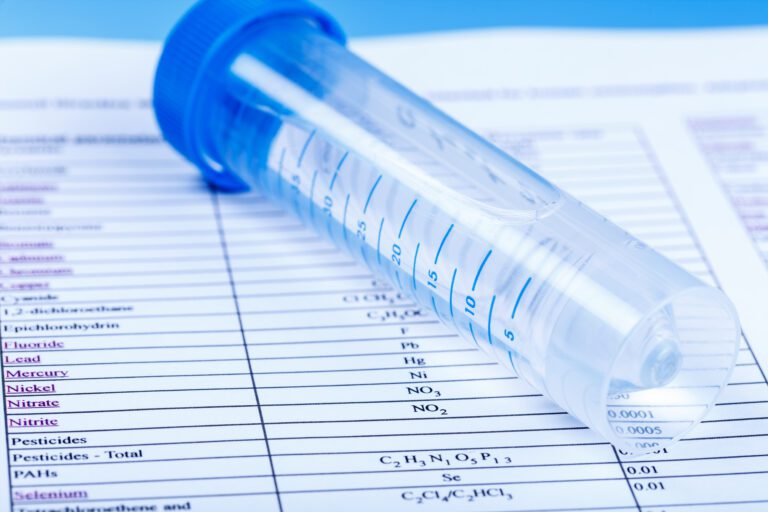
The most accurate method involves collecting a sample of your water and sending it to a certified lab. Lab testing measures total hardness as well as other factors like iron content, pH, and more, giving you a full picture of your water quality.
4. In-Home Professional Assessment
When you schedule a free hard water test in Bucks County with Water-Logix, we’ll come to your home, test your water on-site, and clearly explain the results. You’ll know exactly how hard your water is and what step you may want to take next.
Here’s a general scale for understanding your results:
| Water Hardness Level | Grains per Gallon (gpg) | Parts per Million (ppm) |
| Soft | 0–3.5 gpg | 0–60 ppm |
| Moderately Hard | 3.6–7 gpg | 61–120 ppm |
| Hard | 7.1–10.5 gpg | 121–180 ppm |
| Very Hard | 10.6+ gpg | 181+ ppm |
Even a small change in hardness can make a big difference in your home’s water efficiency, comfort, and plumbing longevity. That’s why testing matters — and why we make it easy for Bucks County homeowners to get trusted, local answers.
Look After Your Home With A Free Hard Water Test
At Water-Logix, we believe that every family deserves clean, reliable, and properly balanced water without confusion or pressure. That’s why we offer a free hard water test for homeowners who want clear, honest answers about what’s coming out of their taps.
Whether you’ve seen the signs of hard water or simply want peace of mind, we’re here to help. Our local team comes directly to your home, tests your water for hardness (and often additional quality indicators), and walks you through the results in plain English. No tech speak. No sales pressure. Just clarity and care.
We’ve helped families all across the region and decided what form of treatment is right for them. If you do need a solution, we’ll guide you toward options that fit your home, your water, and your budget. Our recommendations are personalized, not one-size-fits-all.
Why choose Water-Logix?
- We’re local, and we care about the area because we live and work here too.
- We don’t charge for testing, and we don’t push services you don’t need.
- We specialize in practical, proven solutions for hard water and other quality concerns.
- We believe in education, transparency, and long-term customer relationships.
Whether your home runs on city water or a private well, hardness is a common issue in our region — but it doesn’t have to be a mystery. If you’re ready to get answers and explore solutions, schedule a consultation today.
Water-Logix is here to make your water work better for your home, your family, and your peace of mind.